
Soups & Stews
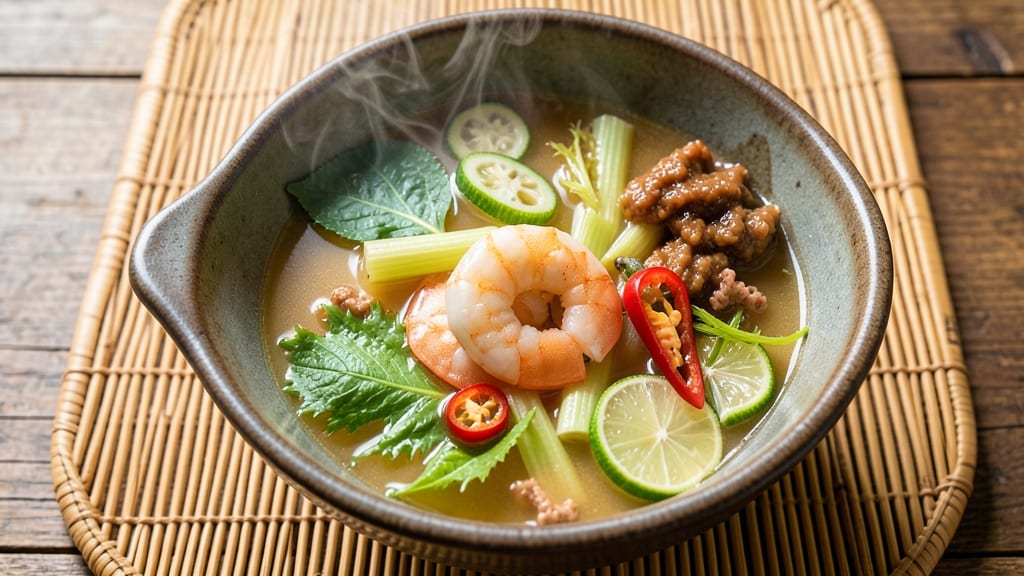
This Tomyam soup recipe delivers the perfect balance of fermented shrimp, aromatic herbs, and fiery Thai spices in just 30 minutes—transforming a simple pot of boiling water into a restaurant-quality bowl.
The key lies in the broth, where lemongrass, galangal, and kaffir lime leaves infuse their bright, citrusy essence while shrimp paste and chili deliver that signature umami kick. I first discovered this recipe during a trip to Bangkok, where street vendors served it piping hot from steaming pots.
The magic happens in layers: the sour punch from lime juice, the heat from Thai chilies, and the funky depth of fermented shrimp all come together in perfect harmony.
Unlike many Thai recipes that require hours of simmering, this version cuts corners without sacrificing flavor—using a quick broth reduction and fresh herbs at the end. The result is a soup that's both bold and refreshing, with just enough spice to wake up your taste buds.
By the time you're done, you'll have a steaming bowl of aromatic, spicy-sour Tom Yum with tender shrimp (or chicken) swimming in a fragrant broth. The lemongrass and galangal add a bright, almost floral aroma, while the lime keeps everything vibrant.
Serve it with steamed jasmine rice and fresh herbs on the side for the full experience—this is the kind of dish that makes weeknight dinners feel like a trip to Thailand.
For those who prefer a milder version, simply reduce the chili or add extra lime juice. Vegetarians can swap shrimp for mushrooms or tofu, though the fermented shrimp paste remains essential for that authentic umami depth. Let's get cooking—your taste buds will thank you.
Ingredients for tomyam soup
Nine aromatic ingredients and a few pantry staples—this Tom Yum comes together faster than you can say 'street food'.
| Ingredient | Amount | Notes |
|---|---|---|
| Shrimp Paste 🦐 | 2 tbsp | Thai fermented shrimp paste |
| Fresh Shrimp 🦐 | 1 lb | Medium size, peeled, deveined |
| Lemongrass Stalks 🌿 | 3 whole | Bruised, bottom 3 inches |
| Galangal Slices 🍃 | 3 pieces | About 1-inch thick slices |
| Kaffir Lime Leaves 🍋 | 4 whole | Fresh, torn in half |
| Thai Chilies 🌶️ | 3-4 whole | Adjust for spice preference |
| Garlic Cloves 🧄 | 4 cloves | Smashed, not minced |
| Shallots 🧅 | 4 whole | Peeled, halved |
| Fish Sauce 🐟 | 2 tbsp | Red Boat preferred |
| Lime Juice 🍋 | ½ cup | Freshly squeezed |
| Coconut Milk 🥥 | ½ cup | Full-fat, for creaminess |
| Vegetable or Chicken Broth 💧 | 4 cups | Low-sodium preferred |
| Fresh Thai Basil Leaves 🌿 | ¼ cup | Packed, stems removed |
| Cilantro Leaves 🌿 | ¼ cup | Chopped, for garnish |
| Salt 🧂 | ½ tsp | To taste, adjust carefully |
The galangal and lemongrass are non-negotiable for that authentic Thai aroma—Asian markets have them fresh, but if you can't find galangal, ginger works in a pinch (though it won't be exactly the same). Shrimp paste? Thai Kitchen brand is reliable, but any fermented shrimp paste will do. For the chilies, bird's eye chilies are traditional, but serrano or jalapeño will work if you're sensitive to heat. The kaffir lime leaves add a citrusy depth—don't skip them if you can find them fresh at Trader Joe's or specialty stores.
No shrimp paste? Anchovy paste or miso paste adds umami, though it won't be identical. Running low on galangal? Double the ginger and add a pinch of turmeric for color. The coconut milk is optional—traditional Tom Yum is clear, but adding it makes it creamy and richer, which is why I include it here. For the broth, homemade is best, but store-bought works in a pinch. Just make sure it's low-sodium so you can control the seasoning. The Thai basil is the star at the end—fresh is a must, dried just won't cut it.
This soup tastes even better the next day—make extra and save leftovers for lunch. Keeps in the fridge for 3-4 days, or freeze for up to 3 months (though the texture changes slightly). For reheating, add a splash of water or broth to prevent the broth from getting too thick. Serve with steamed jasmine rice and extra lime wedges on the side—trust me, it's worth the effort.
Why You'll Love This Recipe
- No Chopping Chaos: I swear by this recipe because the prep is ridiculously simple—just smash the shrimp paste, bruise the galangal, and toss in whole lemongrass stalks. The kaffir lime leaves add that bright aroma without needing to be chopped fine.
- Umami Bomb: That shrimp paste? It’s the star—deep, funky, and addictive. When it blooms in the broth with shrimp and galangal, it’s like a warm, tangy hug in a bowl. (Yes, even on a Tuesday night.)
- Leftovers That Shine: This soup tastes better the next day—honestly. The flavors meld, and reheating it just makes it richer. I make a big batch on Sundays and have it for lunch all week.
- Budget-Friendly Luxury: Fresh shrimp and aromatic roots might sound fancy, but this recipe stretches ingredients far. A little paste goes a long way, and galangal/lemongrass last forever in the freezer. Feels fancy, costs next to nothing.
Step-by-step instructions for tomyam soup
Here's how to make this vibrant, aromatic soup with bold flavors and perfect balance.
Prepare the Aromatic Base
Start by bruising the bottom 3 inches of each of the 3 whole lemongrass stalks by gently smashing them with the flat side of a knife. This releases their essential oils and infuses the broth with their signature citrusy aroma. Add these to a large pot along with the 3 pieces galangal slices and 4 whole kaffir lime leaves. I like to tear the lime leaves in half to let their oils mingle better.
Next, peel and halve the 4 whole shallots and add them to the pot. Slice 3-4 whole thai chilies into ½-inch rings (adjust quantity based on your spice tolerance) and add those too. The chilies should be whole if you prefer less heat, or sliced if you want a spicier broth. Add the 4 smashed garlic cloves and stir everything together gently.
Bloom the Shrimp Paste and Build the Broth
Heat the pot over medium heat until you can smell the lemongrass and galangal steaming. Add the 2 tbsp shrimp paste and stir continuously for 1 minute—this is crucial as it develops the deep umami flavor that defines tomyam. The paste will darken and smell intensely funky, which is exactly what you want.
Pour in the 4 cups vegetable or chicken broth and bring to a gentle boil. Once boiling, reduce heat to medium-low and let it simmer uncovered for 10 minutes. This allows all the aromatic flavors to meld together. You should smell a complex mix of citrus, spice, and that unmistakable shrimp paste aroma.
Add the Shrimp and Season the Broth
Add the 1 lb fresh shrimp to the simmering broth. Cook for 2-3 minutes until they turn opaque and curl slightly. This ensures they're cooked through but still retain their tender texture. Remove the shrimp with a slotted spoon and set them aside on a plate.
Now it's time to balance the flavors. Stir in the 2 tbsp fish sauce, 0.5 cup lime juice, and 0.5 cup coconut milk. Add the 0.5 tsp salt and taste the broth. The fish sauce should add saltiness, the lime juice brightens the acidity, and the coconut milk adds creaminess. Adjust each component to taste—you might need a bit more lime for brightness or coconut milk for richness.
Finish with Herbs and Garnish
Return the shrimp to the pot and gently stir to coat them in the fragrant broth. Simmer for another 1-2 minutes just to heat them through. Remove the pot from heat and stir in the 0.25 cup fresh thai basil leaves and 0.25 cup cilantro leaves. These herbs add freshness and a beautiful green color to the soup.
Ladle the tomyam into bowls, making sure each serving gets a good portion of the aromatic broth and shrimp. Garnish with additional cilantro leaves if desired. Serve immediately with steamed jasmine rice to soak up every last drop of that incredible broth. The soup should be vibrant, aromatic, and perfectly balanced between spicy, sour, salty, and sweet.
Pro Tips For Making Tomyam Soup
- Bloom the Paste: Toast the shrimp paste in your hot pot for 30 seconds until it smells aromatic and releases its oils—this unlocks the depth of flavor. I used to just toss it in cold, and the soup always tasted flat until I realized the paste needs to sing before the broth joins.
- Slap the Lemongrass: Pound the lemongrass stalks with the flat side of your knife before adding them to the pot—this breaks down the fibers and releases more citrusy oil. My first few batches had that faint grassy aftertaste until I learned this trick (yes, even if it looks like you’re mad at the ingredient).
- Don’t Overcrowd Shrimp: Add shrimp in batches, giving them 2-3 minutes between additions so they cook through without turning rubbery. I learned this the hard way when I dumped them all in at once and ended up with sad, gray shrimp instead of tender, pink ones.
- Strain the Broth: After simmering the galangal and kaffir lime leaves, strain out the solids—this keeps the soup clean and lets the aromatic oils do their work without fibrous bits. My grandmother called it "the difference between a student’s tomyam and a chef’s," and she wasn’t wrong.
Creative variations of tomyam soup
Thai Street Food Style
For an authentic street food experience, serve your tomyam in small, wide bowls with extra lime wedges and a side of crispy prawn crackers. I like to add 1 tbsp of crushed peanuts to each bowl just before serving—this adds a delightful crunch that balances the soup's heat.
The crackers should be Thai-style, like those from Thai Kitchen, which you can find at most Asian grocery stores. 🌶️
Vegetarian Tom Yum
Swap shrimp for 12 oz of sliced shiitake mushrooms or extra-firm tofu pressed and cubed. For umami depth, add 1 tbsp of mushroom powder or ½ cup of coconut milk to the broth.
I also recommend adding 1 tbsp of soy sauce instead of fish sauce. Vegetarians can still enjoy the bright, spicy flavors without sacrificing authenticity. 🍄
Creamy Coconut Twist
Boost the richness by adding ½ cup more coconut milk and a pinch of turmeric for color. This version is inspired by my trip to Chiang Mai, where vendors often served a creamier version of tomyam.
I like to garnish with toasted coconut flakes for extra texture and a hint of sweetness. Perfect for cooler evenings when you crave something heartier. 🥥
Spicy Mango Fusion
Add ½ cup of ripe mango chunks and a splash of mango juice to the broth for a sweet-spicy balance. This fusion is inspired by Thai dessert soups but works beautifully in savory tomyam.
I recommend using fresh Thai mangoes from the market for the best flavor. Serve with a drizzle of chili-lime dressing on the side for dipping. 🍈
Herb-Forward Variation
Double the herbs at the end—use 0.5 cup Thai basil and 0.25 cup cilantro plus 2 tbsp fresh mint leaves. This version is lighter but packed with fresh, bright flavors.
I also add a few lemon leaves if available, which add a citrusy aroma. Perfect for those who love their tomyam herbaceous and fragrant. 🌿
Slow-Cooked Depth
For a deeper flavor profile, simmer the broth for 20-30 minutes on low heat after adding the shrimp paste. This allows the galangal and lemongrass to infuse even more deeply. I like to add 1 star anise pod and 2 cloves for extra complexity, then remove them before serving.
This version tastes even better the next day—ideal for meal prep. ⏳
Nutrition facts
Frequently asked questions
What makes this tomyam soup different from regular tom yum?
This recipe uses fermented shrimp paste instead of just shrimp, which gives it that signature funky depth and umami richness. Traditional tom yum often uses shrimp or chicken, but the fermented paste elevates the flavor profile to a whole new level. The balance of sour (lime), spicy (chilies), and funky (shrimp paste) is what makes this version truly special.
Can I substitute galangal if I can't find it?
Yes, but the flavor won't be identical. Use ginger in a 1:1 ratio, but add a pinch of turmeric for color since galangal is more aromatic than ginger. For best results, find galangal at an Asian market—it's worth the hunt for that authentic Thai taste.
How do I adjust the spice level?
Start with 3-4 Thai chilies for medium heat. For milder soup, reduce to 2 chilies or remove seeds. For extra spice, add 1-2 more chilies or a dash of chili flakes. Always taste as you go—balance is key! The lime juice also helps cut through the heat.
Can I make this soup ahead of time?
The broth actually tastes better the next day as flavors meld. Store in an airtight container in the fridge for 3-4 days or freeze for up to 3 months. Reheat gently with a splash of water or broth to restore texture. The shrimp should be added fresh when reheating for best results.
What if I don't have kaffir lime leaves?
Use lime zest (from 1 lime) plus 2-3 lime leaves if available, or substitute with ½ tsp lime zest + 1 tsp lime juice. While not identical, this will add that citrusy brightness. For deeper aroma, add a bay leaf during simmering.