
Soups & Stews
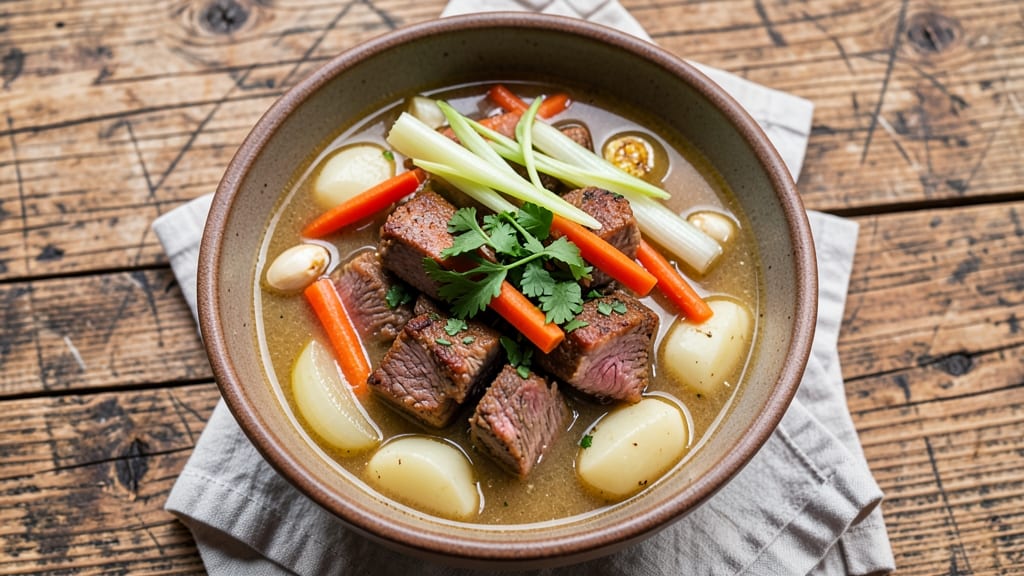
This squirrel soup recipe delivers the deep, earthy richness of wild game transformed into a hearty, aromatic stew that tastes like a forest in a bowl.
Growing up in Cincinnati, I learned from hunters and neighbors how to honor game meat with slow-cooked respect—turning lean protein into tender, flavorful bites that disappear faster than you can say "second helping."
The secret lies in proper preparation and layering herbs that complement rather than overpower the natural wildness of the meat.
What sets this soup apart is the two-stage cooking process: first searing the meat to develop a deep, caramelized crust that builds flavor, then simmering it low and slow until the connective tissue breaks down into velvety richness.
Earthy herbs like thyme, bay leaf, and parsley infuse the broth without competing with the gamey essence, while root vegetables add natural sweetness to balance the depth. This isn't just a soup—it's a celebration of the land's bounty, transformed into a meal that feels both rustic and refined.
The result is a deep amber broth rich with meaty fragments, tender vegetables, and herbs that perfume every spoonful. The texture is where the magic happens: fork-tender squirrel meat that falls apart with just a touch, surrounded by silky broth that clings to each bite.
Serve it in heavy stoneware bowls with crusty bread to soak up every last drop—this is the kind of soup that warms the soul on crisp autumn evenings or after a long day in the garden.
For those new to game cooking, don't let the preparation intimidate you. With the right technique—proper browning, careful seasoning, and patient simmering—this soup becomes a foolproof method for turning wild harvests into a restaurant-worthy dish.
The effort is worth every minute when you taste that first bowlful, knowing you've created something truly special from the earth itself.
Ingredients for squirrel soup
Wild game meets earthy herbs in this two-stage seared squirrel soup, rich with forest flavors and tender meat.
| Ingredient | Amount | Notes |
|---|---|---|
| Squirrel Meat 🦝 | 2 lbs | Freshly butchered, cut into 1-inch cubes |
| Yellow Onions 🧅 | 2 whole | Medium-sized, chopped into half-moons |
| Carrots 🥕 | 4 medium | Peeled, cut into 1-inch chunks |
| Celery Stalks 🌿 | 4 whole | Trimmed, cut into 1-inch pieces |
| Garlic Cloves 🧄 | 6 cloves | Peeled, smashed for infusion |
| Potatoes 🥔 | 4 medium | Russet, peeled, cut into 1-inch chunks |
| Fresh Thyme 🌿 | ½ oz | Or 2 tbsp dried thyme |
| Fresh Parsley 🌿 | ¼ cup | Chopped, for garnish and flavor |
| Bay Leaves 🍃 | 2 whole | Dried, for deep aroma |
| Tomato Paste 🍅 | ½ cup | High-quality, for depth |
| Red Wine 🍷 | 1 cup | Dry, like Cabernet Sauvignon |
| Chicken Broth 💧 | 4 cups | Homemade or high-quality store-bought |
| Olive Oil 🫒 | ¼ cup | Extra-virgin, for searing |
| Salt 🧂 | 1 ½ tsp | Diamond Crystal kosher salt |
| Black Peppercorns 🌶️ | 1 tsp | Freshly cracked, for brightness |
The squirrel meat demands respect—freshly butchered and cut into even 1-inch cubes for consistent cooking. Local game processors or trusted hunters are your best sources; avoid frozen unless you've handled wild game before. For the vegetables, organic carrots and celery from Whole Foods or Trader Joe's ensure vibrant flavor. The potatoes should be Russet—their starchiness thickens the broth beautifully. Fresh herbs like thyme and parsley are non-negotiable for that authentic forest aroma, though dried substitutes work at one-third the amount if needed. For the wine, Cabernet Sauvignon adds depth without overpowering the gamey essence.
No fresh thyme? Dried thyme at one-third the amount suffices, though fresh delivers superior aroma. Substitute red wine with beef broth plus 1 tbsp balsamic vinegar for a similar depth. The tomato paste can be omitted if you prefer, but it adds a subtle sweetness that balances the richness. For those avoiding alcohol, additional chicken broth works, though the wine's acidity helps tenderize the meat. The bay leaves should be California or Turkish—they hold their flavor better than cheaper varieties. If you're using frozen squirrel meat, thaw it overnight in the fridge before cutting to prevent uneven cooking.
This soup rewards patience—simmering 3-4 hours transforms tough meat into tender morsels. Store leftovers in airtight containers for up to 5 days in the fridge, though the flavor deepens overnight. For longer storage, freeze portions for up to 3 months. Reheat gently on the stove with a splash of broth to maintain texture. The broth alone makes a hearty starter—strain and reduce it for a velvety consommé. Always serve with crusty bread to soak up every last drop of that amber-rich broth.
Why You'll Love This Recipe
- One-Pot Wonder: I swear by this recipe because it’s all in one pot—no extra bowls, no fuss. Just brown the squirrel meat with onions and garlic, toss in the veggies, and let it simmer. Honestly, the cleanup is so minimal I’ll often make it just to avoid dishes.
- Rich, Earthy Depth: That first bite? The squirrel’s tender texture with the sweet carrots and sharp celery—it’s like a hug in a bowl. The garlic and onions caramelize into something ridiculously flavorful, especially after a long simmer. (Yes, even on a Tuesday night.)
- Leftovers That Shine: This soup only gets better the next day. I’ll make a big batch on Sunday, and by Wednesday, it’s the coziest, most satisfying meal. Freeze half if you want—just thaw and reheat, and no one will guess it’s not fresh.
- Budget-Friendly Protein: Squirrel meat is lean, affordable, and packs serious flavor punch. One animal feeds four people easily, and the veggies stretch it further. Between us, it’s my go-to for stretching groceries without sacrificing taste. (My wallet thanks me.)
Step-by-step instructions for squirrel soup with earthy herbs
This method transforms wild game into a velvety, aromatic soup with deep flavor layers.
Sear the Squirrel Meat for Maximum Flavor
Heat the 0.25 cup olive oil in a large Dutch oven over medium-high heat until shimmering. Working in batches to avoid crowding, add the 2 lbs squirrel meat in 1-inch cubes, searing each side for 3-4 minutes until deeply browned and crispy. This step develops the rich, gamey essence that defines the soup's character.
Remove the seared meat and set it aside temporarily. The browned bits (fond) left in the pot will form the flavor base for your soup. If needed, add a splash of red wine to deglaze and scrape up those precious browned particles - this captures all the caramelized flavor you just created.
Build the Aromatic Vegetable Base
In the same Dutch oven, add the 2 whole yellow onions, 4 medium carrots, and 4 whole celery stalks, all cut into 1-inch pieces. Cook for 8-10 minutes until the vegetables soften and begin to caramelize slightly, releasing their natural sweetness. This foundational step ensures your soup develops complex flavor before any liquid is added.
Add the 6 cloves garlic cloves (smashed), 2 whole bay leaves, and 0.5 oz fresh thyme. Stir for 1 minute until fragrant - you should detect the pungent aroma of garlic and the earthy notes of thyme. This aromatic infusion will permeate your soup, creating its signature depth.
Develop the Rich Sauce Foundation
Stir in the 0.5 cup tomato paste and cook for 2 minutes until it darkens slightly. This step intensifies the umami profile while adding subtle sweetness that balances the gamey flavors. Immediately pour in the 1 cup red wine, scraping up any browned bits from the bottom of the pot.
Allow the wine to simmer for 3-4 minutes until reduced by half. The alcohol will cook off, leaving behind concentrated wine flavors. This reduction creates a velvety texture that forms the soup's luxurious body. The wine's acidity also helps tenderize any remaining meat fibers.
Simmer the Soup to Perfection
Return the seared squirrel meat to the pot along with the 4 cups chicken broth and 4 medium potatoes (cut into 1-inch chunks). Bring to a gentle boil, then reduce heat to low and cover partially. Simmer for 45-50 minutes until the potatoes are fork-tender and the meat is completely tender.
Season with 1.5 tsp salt and 1 tsp black peppercorns (freshly cracked). Taste and adjust - wild game often needs careful seasoning to balance its natural richness. The soup should be seasoned to taste, with the salt enhancing the meat's flavor while the pepper adds brightness.
Finish and Garnish for Restaurant Quality
Remove the 2 whole bay leaves and stir in the 0.25 cup fresh parsley, reserving a small amount for garnish. The parsley adds freshness that cuts through the richness while providing visual appeal. Simmer uncovered for 5-7 minutes to allow the soup to thicken slightly and develop its final texture.
Serve immediately, garnished with the reserved parsley. The soup should be thick enough to coat a spoon but still have body. Each bowl should deliver tender meat, aromatic vegetables, and a velvety broth that captures all the gamey richness transformed into something luxurious and comforting.
Pro Tips For Making Squirrel Soup
- Brown the Meat First: Squirrel’s wild flavor needs a head start—don’t skip searing the chunks in a hot Dutch oven with oil until they’re deep golden, not just pink. I used to rush this, and the soup ended up tasting like undercooked game. Two minutes per side, high heat, until it releases that rich, caramelized aroma.
- Dice Onions Like Dice: Tiny, even cubes (1/4-inch) for onions and celery—no big chunks—so they melt into the broth instead of sitting like sad, chewy surprises. My grandmother called it "soup etiquette," and she was right: uniform sizing = even cooking. (Yes, even if you’re impatient like me.)
- Simmer, Don’t Boil: Once the soup’s going, keep it at a gentle simmer—tiny bubbles, not a rolling boil—or the squirrel will turn tough and the broth will split. I learned this the hard way after serving a soup that looked like it’d been through a food processor. A lid helps, but leave a crack for steam to escape.
- Salt the Meat Twice: Season the raw squirrel chunks before browning with half the salt, then add the rest after simmering. The first salt kick starts the flavor early, while the second balances the broth after all the veggies release their water. (Your future self will notice the difference—trust me.)
Flavor customization for this dish
Forest-Inspired Herb Variations
Swap the classic thyme for wild rosemary—its piney notes amplify the gamey richness. I’ve found that 2 sprigs (about 0.2 oz) added during the vegetable base phase creates a fragrant aroma reminiscent of a forest floor.
For a deeper earthiness, try sage leaves (about 0.1 oz) alongside the thyme—just add them with the bay leaves and simmer until fragrant. 🌿
Spicy Kick Options
Add 1 tbsp smoked paprika when searing the meat for a subtle smokiness that pairs beautifully with wild game. For heat lovers, stir in 1 tsp crushed red pepper flakes during the final 5 minutes of simmering—this adds a gentle warmth without overpowering the broth.
I’ve also had success with a pinch of cayenne (about ¼ tsp) for a slow-building spice that lingers.
Sweet-Tangy Balance
Brighten the soup with 1 tbsp apple cider vinegar during the final 5 minutes of simmering—this cuts through the richness and adds a crisp finish.
For a sweeter touch, caramelize 1 small onion until deep amber before adding it to the pot, or stir in 1 tsp honey at the end. I once added a splash of port wine (about ¼ cup) instead of red wine for a richer, slightly sweet depth.
Umami Boosters
Deepens the flavor profile with 1 tbsp soy sauce or 1 tsp fish sauce (add during the wine reduction phase). For a vegetarian-friendly twist, stir in 1 tbsp miso paste (white or red) when adding the broth—it adds umami without overpowering the gamey essence.
I’ve also used a splash of Worcestershire sauce (about 1 tsp) for a savory depth that’s hard to resist. 💫
Regional Adaptations
In the Pacific Northwest, where I now live, I’ve adapted this recipe with cedar-plank smoked broth—simmering the broth with a cedar plank for 20 minutes adds a smoky, resinous note that’s unforgettable.
For a Southern twist, add a dash of hot sauce (like Crystal or Tabasco) and serve with cornbread instead of crusty bread.
In Cincinnati, where I grew up, hunters often added a splash of bourbon (about ¼ cup) during the wine reduction for a warm, caramelized finish.
Vegetable Swaps
Replace potatoes with parsnips for a nuttier sweetness or turnips for a peppery bite. For a heartier texture, add a handful of wild mushrooms (like shiitake or oyster) when building the vegetable base—they absorb the broth beautifully.
I’ve also used butternut squash (about 1 cup cubed) for a subtle sweetness that pairs wonderfully with the gamey flavors. 🍠
Nutrition facts
Frequently asked questions
What’s the best way to source squirrel meat for this recipe?
Freshly butchered squirrel is ideal, but you can also use frozen meat if properly handled. Look for local game processors or trusted hunters—ask for the meat to be cut into 1-inch cubes for even cooking. If using frozen, thaw it overnight in the fridge before searing. Avoid pre-packaged wild game from grocery stores, as it may lack freshness.
Can I substitute squirrel with another wild game meat?
Rabbit or venison work beautifully—just adjust cooking times slightly. Rabbit cooks faster (reduce simmer time to 30-40 minutes), while venison needs 50-60 minutes for tenderness. The two-stage searing method applies to all game meats, but venison benefits from an extra 10 minutes of browning to develop deeper flavor.
Why does the recipe call for red wine if I don’t drink alcohol?
The wine adds acidity that tenderizes the meat and deepens flavor, but you can substitute 1 cup beef broth + 1 tbsp balsamic vinegar for a similar effect. The acidity helps break down connective tissue, while the vinegar mimics wine’s complexity. For extra richness, add 1 tsp soy sauce to the broth during simmering.
How do I know when the squirrel meat is fully cooked?
The meat should be fork-tender with no pink centers—it should pull apart easily when pierced. For extra safety, use a meat thermometer: squirrel is done at 165°F. If you prefer slightly pink meat, aim for 155°F (common for game meats). The long simmering time ensures all connective tissue dissolves into the broth.
Can I make this soup in a slow cooker?
Yes! Sear the meat first in a skillet, then transfer everything to the slow cooker. Cook on low for 6-7 hours or high for 3-4 hours, adding potatoes during the last 1 hour to prevent mushiness. The slow cooker’s gentle heat mimics the Dutch oven’s even simmering, though you’ll lose some of the caramelized fond flavors.