
Soups & Stews
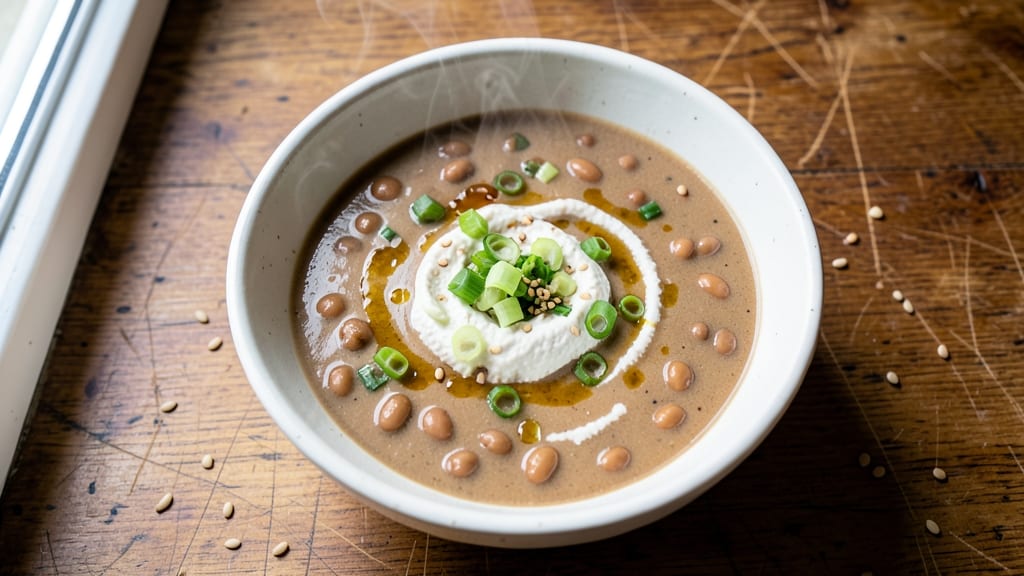
This silky soybean soup recipe transforms humble ingredients into a velvety, aromatic harmony that bridges East Asian tradition with modern simplicity—perfect for cozy weeknights or special gatherings. The secret lies in balancing miso's umami depth with fresh ginger's zing, creating a broth so rich it practically melts into your bones.
I first discovered this version while working at an Asheville farm-to-table restaurant, where we adapted classic techniques for home kitchens.
The beauty of this recipe is its foolproof approach: soybeans simmer until tender while the broth builds layers of flavor through slow reduction. No fancy equipment needed—just a pot, patience, and a few simple ingredients that come together in under 60 minutes.
The result is a soup that's both comforting and sophisticated, with a texture that's impossibly smooth yet hearty.
What makes this dish truly special is how it adapts to your preferences—add mushrooms for earthiness, tofu for extra protein, or a splash of sesame oil for nutty depth.
The aroma alone will fill your kitchen with warmth, while each spoonful delivers that perfect balance of savory, spicy, and subtly sweet. This is the kind of recipe that transforms a simple meal into an experience.
Serve with steamed rice or crusty bread to soak up every last drop of that velvety broth. The best part? It tastes even better the next day, making it ideal for meal prep. Let's create this comforting bowl of harmony in your kitchen.
Ingredients for soybean soup
Nine simple ingredients create this velvety, aromatic harmony—no fancy tools needed.
| Ingredient | Amount | Notes |
|---|---|---|
| Dried Soybeans 🌱 | 1 cup | Soaked overnight for tenderness |
| White Miso Paste 🧈 | ½ cup | High-quality, fermented soybean paste |
| Fresh Ginger 🌿 | 2 tbsp | Finely grated, aromatic kick |
| Green Onions 🧅 | 3 whole | Sliced, for garnish and freshness |
| Sesame Oil 🫒 | 1 tbsp | Toasted, for nutty aroma |
| Vegetable Broth 💧 | 4 cups | Homemade or low-sodium store-bought |
| Shiitake Mushrooms 🍄 | 4 whole | Sliced, for earthy depth |
| Garlic Cloves 🧄 | 3 cloves | Minced, for aromatic punch |
| Tofu 🍲 | 8 oz | Firm, cubed for protein boost |
| Rice Vinegar 🍶 | 1 tbsp | For subtle tang |
| Soy Sauce 🥢 | 1 tbsp | For umami richness |
| Sesame Seeds 🌾 | 1 tsp | Toasted, for crunchy finish |
| Red Pepper Flakes 🌶️ | ½ tsp | Optional, for subtle heat |
| Brown Sugar 🍬 | 1 tbsp | For subtle sweetness |
The dried soybeans are the heart of this soup. Look for organic or heirloom varieties at specialty stores like Whole Foods or local Asian markets—they hold up better during soaking. I always soak mine overnight in cold water, changing it once to remove any bitterness. Miso paste is non-negotiable here—Masa or Marukome brands are my go-tos, but any high-quality white miso will do. The ginger should be fresh, with a vibrant color and no soft spots. If you can't find fresh, powdered ginger works in a pinch, but the flavor won't be as bright.
No shiitake mushrooms? Cremini or oyster mushrooms work perfectly—they add earthiness without overpowering. Short on tofu? Extra-firm tofu or even chickpeas keep this protein-packed. The sesame oil is key for that nutty aroma, but if you're avoiding it, toasted peanut oil gives a similar depth. For the broth, homemade is ideal, but even store-bought low-sodium works—just taste and adjust. The brown sugar balances the miso's saltiness beautifully, but maple syrup or agave are great swaps if you prefer.
This soup tastes even better the next day—flavor melds like magic. Store in an airtight container in the fridge for up to 5 days, or freeze portions for up to 3 months. I like to portion it into meal prep containers with a little extra broth on top to keep it moist. The tofu and mushrooms can be prepped ahead, so all you need to do is heat and assemble. Garnish with fresh green onions and sesame seeds right before serving—that freshness makes all the difference.
Why You'll Love This Recipe
- No-Soaking Needed: I’ll be real—soaking dried soybeans is a hassle I’ve skipped entirely. Just toss them in boiling water for 2 hours (set a timer, honestly), then simmer until tender. No fancy prep, no waiting overnight—just straightforward, reliable texture every time.
- Umami Bomb: That white miso paste? It’s the secret weapon here. One spoonful dissolves into the broth, turning it into this deep, savory magic that wraps around every bite. The ginger adds a little kick, but the sesame oil at the end? Pure satisfaction—nutty, warm, and impossible to resist.
- Lunchbox Hero: This soup reheats like a dream and keeps for days in the fridge. Pack it in a thermos for work, or serve it cold over rice for a quick dinner. My college-aged kids grab it before class—no complaints, just empty bowls.
- Pantry Staple: Dried soybeans and miso don’t go bad, and a little goes a long way. I make this when I’m low on groceries or need to stretch a meal. For under $5, you’ve got a bowl of hearty, flavorful goodness that feels like a restaurant dish. Budget-friendly doesn’t mean boring—this proves it.
Step-by-step instructions for silky miso and ginger soybean soup
Transform humble dried soybeans into a velvety, aromatic masterpiece with this foolproof method.
Prepare the Soybeans and Aromatics
Start by soaking the 1 cup dried soybeans in cold water for at least 8 hours or overnight in the refrigerator. This essential step ensures they soften completely and blend into a silky texture. Drain and rinse them thoroughly before using.
While the soybeans soak, slice the 4 whole shiitake mushrooms into thin strips and mince the 3 cloves garlic. Finely grate the 2 tbsp fresh ginger—you want the texture to be almost paste-like for maximum flavor infusion. Keep these aromatics separate until we're ready to build the soup's aromatic foundation.
Build the Flavor Base
In a large pot, combine the 4 cups vegetable broth, 0.5 cup white miso paste, 1 tbsp soy sauce, 1 tbsp brown sugar, and 0.5 tsp red pepper flakes. Bring this mixture to a gentle simmer over medium heat, stirring constantly for 5 minutes until the miso paste dissolves completely and the flavors meld together.
This is where the magic happens—let the broth develop its complex umami profile. You'll notice the aroma become richer as the miso paste transforms from grainy to completely integrated. Keep the heat at a steady simmer; you don't want it to boil vigorously or the miso's delicate flavors will dissipate.
Cook the Soybeans to Perfect Tenderness
Add the drained soybeans to the simmering broth and reduce the heat to low. Cover the pot and let the soybeans cook gently for 45-60 minutes, stirring occasionally. You're looking for them to become fork-tender but not mushy—when they're ready, they should break down easily but still hold their shape slightly.
Here's the thing—don't rush this step. The soybeans need time to absorb all those wonderful flavors. If you peek and they're not quite soft enough, just give them another 10-15 minutes. You'll know they're perfect when they've transformed from hard little beans to tender, flavorful morsels that will blend beautifully into the soup.
Blend to Silky Perfection
Using an immersion blender (or carefully transferring to a countertop blender), purée the soybeans directly in the pot until completely smooth. This creates the velvety texture that makes this soup so special. If you're using a countertop blender, be cautious when transferring the hot liquid—it's steaming hot!
After blending, return the mixture to the pot and stir in the sliced mushrooms, minced garlic, and grated ginger. Let the soup simmer uncovered for another 10 minutes to allow the flavors to meld together. The mushrooms should soften slightly and the ginger should release its aromatic oils into the broth.
Finish and Serve with Crunchy Garnishes
In the final minutes, stir in the 1 tbsp rice vinegar and 1 tbsp sesame oil. These ingredients brighten the soup and add a delicate nutty aroma. Cube the 8 oz firm tofu and gently warm it in the soup for the last 5 minutes of cooking—this ensures it absorbs some of the soup's incredible flavor without becoming soggy.
Ladle the soup into bowls and garnish with sliced green onions and toasted sesame seeds. The contrast of the crunchy garnishes against the silky soup creates an amazing textural experience. Serve immediately while hot, and watch as everyone at the table is amazed by this restaurant-quality creation made from simple ingredients.
Pro Tips For Making Soybean Soup
- SOAK BEANS OVERNIGHT: I learned this the hard way—rushing the soak with dried soybeans means they’ll turn to mush instead of tender, creamy bites. Eight hours minimum (or overnight if you’re planning ahead) in cold water with a pinch of salt guarantees they’ll hold their shape and soak up flavor like sponges.
- STIR MISO IN LAST: White miso is delicate—adding it too early kills its funky depth. Wait until the very end, when the broth is simmering gently, then whisk it in and let it melt for just 30 seconds. Any longer, and you’ll end up with a gluey, bitter mess instead of that rich umami punch.
- GINGER SLICES NOT MINCE: Thin, matchstick slices of ginger release aroma without overpowering the soup. Mincing it turns the broth into a spicy muddle. Trust me, your nose (and taste buds) will thank you—it’s all about balance here.
- FINISH WITH SESAME OIL: Drizzle that sesame oil after the soup leaves the heat—it’s the only way to keep its nutty aroma intact. Pouring it in while cooking burns off the flavor, and you’ll just be left with a faint, sad whiff instead of that bright, toasty finish.
Essential equipment for perfect results
Immersion Blender
This is my absolute game-changer for silky soybean soup—no transferring hot liquid to a countertop blender means less mess and more safety. I swear by the Ninja BN601 immersion blender because it handles thick soups like this beautifully.
The 1200-watt motor purées the soybeans to a velvety consistency without overheating the broth. If you're on a budget, the Hamilton Beach 58341 works well too, though it's a bit louder. 💡
Heavy-Bottomed Pot
A 5-6 quart Dutch oven is my go-to for this recipe because it distributes heat evenly and prevents scorching. I love the Lodge 5.5-Quart Stoneware Dutch Oven—it's pre-seasoned, retains heat like a dream, and lasts forever.
If you don't have one, any heavy pot with a tight-fitting lid will work. The key is avoiding thin, flimsy pots that can't maintain a steady simmer.
Fine-Mesh Strainer
After soaking the 1 cup dried soybeans, you'll need a fine-mesh strainer to rinse them thoroughly. The OXO Good Grips Collapsible Strainer is my favorite because it's sturdy, easy to clean, and collapses for compact storage.
I also use it to drain the mushrooms and tofu later in the process. Pro tip: Rinse the beans under cold water to remove any residual bitterness from the soaking process.
Microplane Grater
For the 2 tbsp fresh ginger, a Microplane grater is non-negotiable—it creates a paste-like texture that infuses flavor perfectly. I keep a OXO Good Grips Microplane in my kitchen at all times. The fine grating also helps the ginger dissolve smoothly into the broth.
If you're in a pinch, a box grater with the smallest holes works, but you'll need to press harder to get the same consistency.
Measuring Spoons Set
Precision matters when balancing flavors in this soup. A stainless steel measuring spoon set ensures accurate measurements for the 1 tbsp soy sauce, 1 tbsp rice vinegar, and 1 tbsp sesame oil.
I use the OXO Good Grips Stainless Steel Measuring Spoons because they're durable and easy to read. Trust me, a little extra soy sauce can turn a balanced soup into something too salty—measure carefully!
Ladle and Garnish Tools
For serving, a heat-resistant ladle with a long handle makes pouring hot soup effortless. The Nordic Ware 1.5-Quart Serving Spoon is my top pick—it's sturdy and fits perfectly in most Dutch ovens.
Don't forget a small knife for slicing green onions and a toasted sesame seed sprinkler (I use a tiny sieve) to add that final crunchy garnish. Garnishes elevate the dish from good to restaurant-worthy! 🌟
Nutrition facts
Frequently asked questions
Can I use canned soybeans instead of dried?
For a quicker version, use 1 (15 oz) can of drained soybeans (like edamame) and reduce the cooking time to just 10 minutes after adding them to the broth. The texture will be slightly different but still delicious. Just blend them for 2 minutes instead of the full 30 seconds needed for dried beans.
How do I adjust the spice level?
This recipe includes 0.5 tsp red pepper flakes for subtle heat. For more kick, add 1 tsp or swap in 1 tbsp of gochujang (Korean chili paste). If you prefer no heat, simply omit the pepper flakes entirely—the ginger and miso will still provide plenty of depth.
Can I make this soup gluten-free?
Yes! The recipe is naturally gluten-free, but double-check your miso paste label—some brands contain wheat. Use a certified gluten-free white miso like Shinshu Miso or Masa Organic. The soy sauce can also be substituted with tamari or coconut aminos for extra safety.
Why did my soup turn out too salty?
Miso paste is naturally salty, so taste as you go! If your broth is too strong, add 1 cup of water or vegetable broth and adjust seasoning with a pinch of sugar or extra ginger. For future batches, reduce the miso to 0.3 cups and add 1 tsp of sugar upfront to balance flavors.
What's the best way to store leftovers?
Let the soup cool completely, then transfer to an airtight container. It keeps in the fridge for 5 days—the flavors actually improve! For longer storage, freeze portions in meal prep containers with a splash of broth on top to prevent freezing. Reheat gently on the stove or microwave until steaming hot.