
Soups & Stews
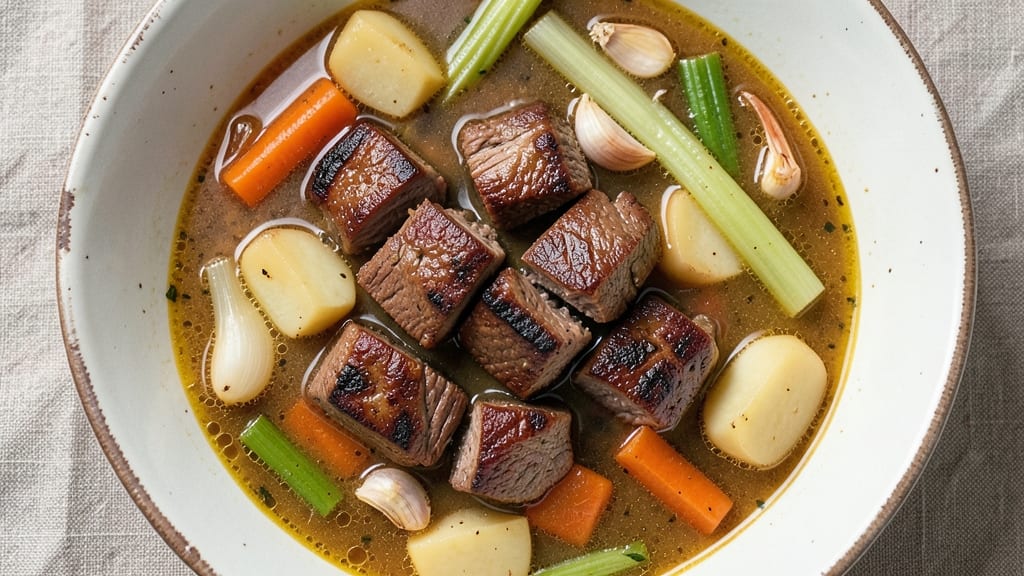
This meat soup recipe turns humble beef and root vegetables into a rich, soul-warming dish that feels like a hug in a bowl. This recipe builds on traditional techniques—slow simmering, rich broth development, and layered flavors—to deliver restaurant-quality results at home.
The key lies in proper browning of the beef and careful vegetable selection, ensuring each bite is tender yet vibrant.
What sets this stew apart is its balance of bold beef flavor and earthy root vegetables, all harmonized by a well-seasoned broth. Unlike quick soups, this one rewards patience with complex, layered taste—think caramelized onions, fork-tender beef, and vegetables that melt into the broth while retaining texture.
The process is straightforward but demands attention to timing and technique for optimal results.
By the final simmer, you'll have a deeply aromatic, hearty stew with a golden crust on top and a velvety broth that coats every spoonful. The beef becomes impossibly tender, while the root vegetables caramelize just enough to add natural sweetness.
This is the kind of meal that feels like a hug in a bowl, perfect for chilly evenings or family gatherings.
The beauty of this recipe is its versatility—adjust the vegetables based on season or preference, and use leftover broth for other dishes. Once mastered, it becomes a foundational recipe in your cooking repertoire, offering warmth and satisfaction with minimal effort. Let's get started on creating this timeless classic.
Ingredients for meat soup
Sixteen ingredients transform into a deeply aromatic, hearty beef stew with restaurant-quality depth.
| Ingredient | Amount | Notes |
|---|---|---|
| Beef Chuck Roast 🥩 | 2 lb | Trimmed of excess fat, cut into 1-inch cubes |
| Yellow Onions 🧅 | 2 whole | Large, thinly sliced for caramelization |
| Carrots 🥕 | 4 whole | Medium, peeled and cut into 2-inch chunks |
| Celery Stalks 🌿 | 4 whole | Fresh, cut into 1-inch pieces |
| Russet Potatoes 🥔 | 2 lb | Waxy variety, cut into 1-inch cubes |
| Garlic Cloves 🧄 | 6 cloves | Fresh, smashed for aromatic depth |
| Tomato Paste 🍅 | ½ cup | High-quality, for rich umami base |
| Beef Broth 💧 | 6 cups | Homemade or low-sodium store-bought |
| Red Wine 🍷 | 1 cup | Dry, bold variety like Cabernet Sauvignon |
| Fresh Thyme 🌿 | 2 sprigs | Or 1 tsp dried thyme if unavailable |
| Fresh Rosemary 🌿 | 1 sprig | Woodsy aroma, stems removed |
| Bay Leaves 🌿 | 2 whole | Dried, for subtle earthy flavor |
| Olive Oil 🫒 | ½ cup | Extra-virgin, for searing beef |
| Salt 🧂 | 1 ½ tsp | Diamond Crystal kosher salt preferred |
| Black Peppercorns 🌶️ | 1 tsp | Freshly cracked for robust flavor |
The beef chuck roast is non-negotiable for this recipe—its marbled fat renders during cooking, creating a velvety broth. Costco or Whole Foods typically carry high-quality cuts, but any reputable butcher will have suitable options. Look for pieces with visible fat marbling; this ensures optimal flavor and tenderness. The yellow onions should be firm and free of blemishes, as they'll caramelize slowly to develop sweetness. Organic produce sections often carry the freshest options, but conventional varieties work perfectly if stored properly. For the carrots and celery, avoid pre-cut mixes—they lose freshness quickly. Buy whole and prepare just before cooking to preserve texture and flavor.
No red wine? Substitute with additional beef broth and 1 tbsp balsamic vinegar for depth. Fresh thyme and rosemary can be swapped for dried equivalents at one-third the quantity, though the flavor will be less pronounced. The tomato paste is critical for umami development—high-quality brands like Barilla ensure a rich, concentrated flavor without artificial additives. For the potatoes, waxy varieties like Yukon Gold or red potatoes hold their shape better than russets, though russets work well if you prefer a creamier texture. If you're short on time, pre-cut frozen vegetables can be used, though fresh will always yield superior results.
This stew develops deeper flavor over time, so plan to simmer for at least 2-3 hours. The broth will thicken naturally as it cooks, creating a luscious consistency. Store in airtight containers in the refrigerator for up to 5 days, or freeze for 3 months. The flavors actually improve after the first day, making it perfect for meal prep. For serving, a sprinkle of fresh parsley or chopped parsley adds brightness, while a drizzle of olive oil enhances richness. Leftovers reheat beautifully—simply warm through on the stove with a splash of broth to restore moisture.
Why You'll Love This Recipe
- Slow-Cooker Simplicity: I swear by this for days I’d rather not stand over the stove. Toss the chuck roast, onions, carrots, and celery into a slow cooker with broth, sprinkle in some salt and pepper, and let it do the work. By dinner, you’ve got tender meat that falls apart at the touch of a spoon—no chopping, no stirring, just done.
- Umami Bomb: That beef chuck roast? It’s the star, but here’s the secret: the onions caramelize just enough to deepen the flavor, while the potatoes soak up all the rich juices. Honestly, the first time I tasted it, I thought, “Why haven’t I been doing this all along?”—especially when you add a bay leaf and a splash of Worcestershire for that je ne sais quoi.
- Leftovers That Don’t Suck: Between us, most soups turn into sad, watery slop the next day. Not this one. The potatoes stay firm, the beef stays juicy, and the broth? Still packed with flavor. I’ll make a double batch on Sundays, freeze half, and reheat it like it’s fresh—no one can tell the difference. (Yes, even on a Tuesday night.)
- Budget-Friendly Crowd-Pleaser: You’re getting a huge portion of meat for the price, and the veggies are cheap staples. I’ve served this to picky eaters, date nights, and game-day gatherings—no one walks away hungry, and no one’s wallet cries. Plus, the leftovers stretch into lunches, so it’s basically two meals for the price of one. Win.
Step-by-step instructions for hearty beef and root vegetable stew
This method delivers restaurant-quality depth with simple technique—rich, caramelized flavors built layer by layer.
Sear the Beef for Maximum Flavor
Heat a large Dutch oven over medium-high heat until it's smoking hot. Add the 0.5 cup olive oil and let it shimmer for 1 minute. Working in batches to avoid crowding, add the 2 lb beef chuck roast cut into 1-inch cubes, pressing down gently with a wooden spoon to ensure even contact with the pan.
Sear the beef for 3-4 minutes per side until deeply browned with a crust forming. This step develops the Maillard reaction, creating complex flavors that infuse the entire stew. Transfer the browned beef to a plate and set aside, leaving all the fond in the pot—this will dissolve into the sauce later.
Build Layers of Aromatics and Vegetables
In the same Dutch oven, reduce heat to medium and add the 2 whole yellow onions sliced thinly, 4 whole carrots cut into 2-inch chunks, and 4 whole celery stalks chopped into 1-inch pieces. Cook for 8-10 minutes, stirring occasionally, until the vegetables begin to soften and the onions develop a golden hue.
Add the 6 cloves garlic cloves smashed with the flat side of your knife, 0.5 cup tomato paste, 1.5 tsp salt, and 1 tsp black peppercorns freshly cracked. Stir well to combine and cook for another 2 minutes until fragrant. This aromatic base forms the flavor foundation of your stew.
Deglaze and Simmer the Base
Pour in the 1 cup red wine and scrape up any browned bits from the bottom of the pot with a wooden spoon. Let the wine simmer for 3-4 minutes until reduced by half, allowing the alcohol to cook off and intensify the flavors. Add the 6 cups beef broth, 2 sprigs fresh thyme, 1 sprig fresh rosemary, and 2 whole bay leaves.
Return the seared beef to the pot and bring everything to a gentle boil. Once boiling, reduce heat to low and cover partially with a lid. Let it simmer for 1 hour, stirring occasionally, until the beef is tender and the flavors have melded together. This slow cooking ensures the meat becomes fork-tender without falling apart.
Add Potatoes and Finish Cooking
Add the 2 lb russet potatoes cut into 1-inch cubes to the pot. Increase heat to medium-low and simmer uncovered for another 30-40 minutes until the potatoes are fork-tender and the stew has thickened slightly. The potatoes should absorb some of the liquid while maintaining their shape, creating a hearty texture.
Taste and adjust seasoning if needed, adding a pinch more salt or black peppercorns as necessary. Remove the thyme sprigs, rosemary sprig, and bay leaves before serving. The stew should have a rich, deep color and a complex aroma that fills your kitchen.
Rest and Serve with Crusty Bread
Let the stew rest for 10 minutes off the heat before serving. This allows the flavors to settle and the potatoes to absorb any remaining liquid. Ladle the stew into warm bowls, ensuring each serving gets a generous portion of beef and vegetables. The broth should coat the back of a spoon with a velvety texture, and each bite should deliver tender beef, caramelized vegetables, and layers of aromatic herbs.
Serve with crusty bread to soak up any remaining broth. The stew tastes even better the next day as the flavors continue to develop, making it perfect for meal prep or leftovers. Store any unused portions in an airtight container in the refrigerator for up to 4 days or freeze for up to 3 months.
Pro Tips For Making Meat Soup
- Sear the Chuck Hard: After patting the beef chuck dry, crank the heat to medium-high and let it brown deep for 5-6 minutes per side. I learned this the hard way—skipping the sear means flavorless shreds later, no matter how long you simmer. Use a 12-inch skillet or Dutch oven; anything smaller won’t give you that crusty, caramelized base.
- Cut Potatoes Uniformly: Russets break apart like overcooked pasta if they’re not the same size. Aim for 1.5-inch chunks—big enough to hold shape but small enough to cook through in the same time as the carrots. My grandmother swore by this, and she was right: uneven pieces mean some get mushy while others stay raw.
- Don’t Crowd the Pot: If you dump all the veggies in at once, the onions and celery will steam instead of soften. Start with half the carrots and celery, cook for 8 minutes, then add the rest. This isn’t the prettiest method, but it’s the tastiest—you’ll get actual color and texture, not sad, waterlogged mush.
- Add Potatoes Late: Toss them in with the beef after the onions and carrots have softened (about 45 minutes in). Potatoes release starch early, which can turn your soup gluey if they cook too long. Sounds weird, but it works: they’ll absorb flavor without falling apart.
Essential equipment for this dish
Dutch Oven Essentials
The Dutch oven is my go-to tool for this recipe—its heavy construction ensures even heat distribution and prevents scorching. I use a 5-6 quart Lodge cast iron Dutch oven for its durability and heat retention.
If you don’t own one, a stainless steel Dutch oven like All-Clad works well too. Avoid non-stick pots—they can’t handle the high heat needed for proper searing and caramelization. 🔥
Knife Skills Matter
A sharp 8-inch chef’s knife is essential for efficient prep. I recommend the Wüsthof Classic or Shun Premier for precision. For the beef, cut into 1-inch cubes—this ensures even cooking and maximum surface area for browning.
Thinly slice onions into paper-thin rounds for perfect caramelization. A mandoline can speed this up if you’re prepping for a crowd. 💡
Measuring Tools
Precision matters in soup-making. Use a digital kitchen scale for the beef to ensure you hit 2 lbs exactly. For liquids, a liquid measuring cup with clear markings prevents over/under-pouring.
I keep a spice measuring set (like OXO Good Grips) handy for accurate 1.5 tsp salt and 1 tsp pepper measurements. A fine-mesh strainer also comes in handy for skimming excess fat later. ⚡
Thermometer for Perfect Doneness
A meat thermometer is non-negotiable for checking beef tenderness. The internal temperature should reach 203°F for fork-tender results. I use the ThermoWorks Smoke—it’s durable and has a long probe for deep pots.
For vegetables, the 210°F rule applies: potatoes should reach this temp to become creamy without falling apart. 🌡️
Wooden Spoon and Tongs
Wooden tools prevent scratching your Dutch oven. A long-handled wooden spoon helps stir without burning your hands, while tongs make it easy to transfer seared beef. I keep a silicone spatula nearby for scraping stubborn bits from the pot’s edges.
Avoid metal utensils during cooking—they can react with acidic ingredients like wine. 🍲
Optional Gadgets
For extra convenience, a slow cooker (like Instant Pot) can handle the simmering phase if you’re short on time. A mortar and pestle comes in handy for crushing garlic cloves to release more flavor.
For presentation, a ladle with a strainer helps serve stew without the herbs. These aren’t essential, but they elevate the process. ✨
Nutrition facts
Frequently asked questions
Can I substitute chicken or pork for the beef in this recipe?
For chicken, use 2 lbs boneless thighs (they stay juicier than breasts) and reduce simmering time to 45-50 minutes. Pork works well too—try 2 lbs pork shoulder and cook until tender (203°F internal temp). Just adjust seasoning slightly; pork benefits from extra thyme and bay leaves to complement its richness.
How do I make this stew vegetarian?
Replace the beef with 2 cups lentils or mushrooms (cremini or portobello) for umami depth. Use vegetable broth instead of beef broth and add 1 tbsp soy sauce or 1 tsp smoked paprika for meaty flavor. Simmer the potatoes separately for 15 minutes before adding to prevent mushiness.
Why does my stew turn out watery? What can I fix?
Watery stews usually happen from overcooking potatoes or using too much broth. First, try simmering uncovered for 10-15 minutes to thicken the broth. For future batches, reduce broth by 1 cup or add 1 tbsp cornstarch mixed with water as a slurry at the end. Also, ensure your potatoes are cut evenly—they should be tender but still hold their shape.
Can I make this ahead of time for meal prep?
This stew tastes even better the next day! Let it cool completely, then store in airtight containers in the fridge for up to 5 days. Reheat gently on the stove with a splash of broth to restore moisture. For freezing, cool completely, portion into freezer-safe bags, and store for up to 3 months. The flavors deepen over time, making it perfect for busy weeks.
What's the best way to reheat leftovers?
Reheat on the stove over medium-low heat with the lid slightly ajar to prevent splattering. Add 2-3 tablespoons of broth or water per serving to maintain consistency. Microwaving works too—cover with a damp paper towel and heat in 1-minute intervals, stirring between each. Never reheat to boiling, as this can make the broth too thin.