
Soups & Stews
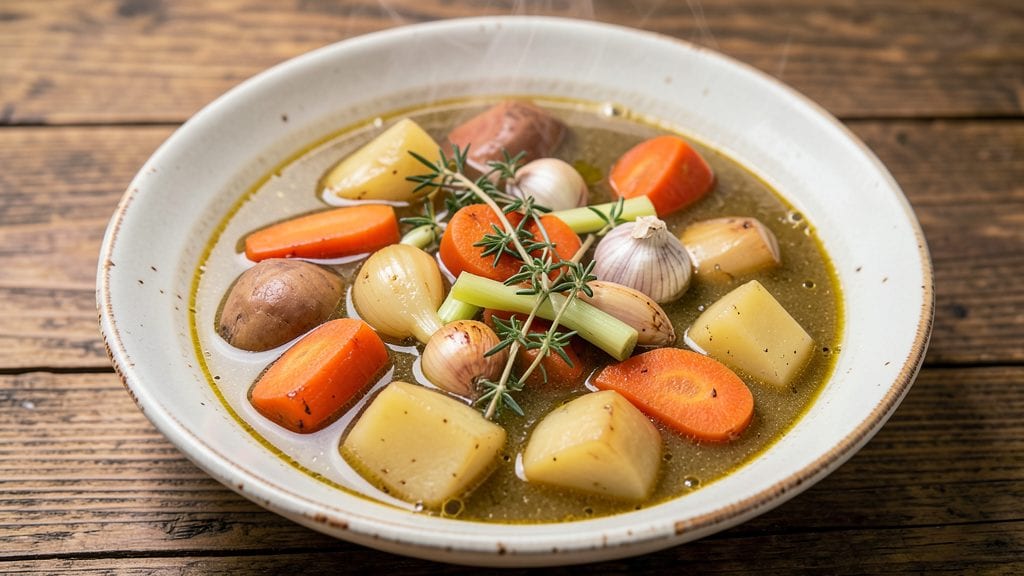
This classic vegetable soup recipe delivers comfort in every spoonful—herbal, hearty, and packed with seasonal vegetables that sing when simmered just right. The foundation is a rich, aromatic broth built layer by layer, where onions caramelize into sweet depth and garlic infuses warmth without overpowering.
I developed this version after years of testing, ensuring each ingredient plays its part while keeping the method simple enough for any home cook to master.
The secret lies in the balance: tender al dente vegetables that retain their texture while absorbing the broth’s flavor, and herbs that brighten without competing.
You’ll start with a base of onions, carrots, and celery—what chefs call the holy trinity—then add potatoes for heartiness and a mix of greens for freshness.
The broth reduces slowly, concentrating flavors into something deeply satisfying, while a splash of lemon at the end cuts through the richness for a touch of brightness.
By the time you’re ladling this into bowls, you’ll have a soup that’s classic in the best sense—familiar yet refined, with layers of flavor that evolve with every bite.
The aroma alone will have everyone gathering at the table, and the texture is just right: creamy from the potatoes, crisp from the greens, and velvety from the broth.
It’s the kind of dish that feels like a hug in a bowl, perfect for chilly evenings or when you need nourishment without fuss.
Serve it with crusty bread to soak up every last drop, or pair it with a simple green salad for balance. The recipe scales easily, too—double it for a crowd or halve it for a light lunch.
Here’s how to make it, step by step, so you can bring that restaurant-quality warmth to your kitchen tonight.
Ingredients for classic vegetable soup
Herbal broth, al dente veggies, and a splash of lemon—this soup is comfort in a bowl.
| Ingredient | Amount | Notes |
|---|---|---|
| Yellow Onion 🧅 | 1 ½ lb | Diced, about 3 medium onions |
| Carrots 🥕 | 1 ½ lb | Peeled, cut into 1-inch chunks |
| Celery Stalks 🥬 | 6 whole | Trimmed, cut into 1-inch pieces |
| Russet Potatoes 🥔 | 2 lb | Peeled, cut into 1-inch cubes |
| Garlic Cloves 🧄 | 6 cloves | Peeled, minced |
| Fresh Thyme 🌿 | ¼ cup | Leaves only, stems removed |
| Fresh Parsley 🌿 | ¼ cup | Chopped, for garnish |
| Vegetable Broth 💧 | 6 cups | Low-sodium preferred |
| Extra-Virgin Olive Oil 🫒 | ½ cup | For sautéing vegetables |
| Lemon Juice 🍋 | 2 tbsp | Freshly squeezed |
| Kosher Salt 🧂 | 1 ½ tsp | Adjust to taste |
| Fresh Spinach 🍃 | 4 cups | Chopped, for freshness |
| Fresh Dill 🌿 | 2 tbsp | Chopped, optional but brightens |
| Black Pepper 🌶️ | ½ tsp | Freshly ground |
The holy trinity—onions, carrots, and celery—sets the flavor foundation. Yellow onions with a hint of sweetness work best, and I always grab the organic bunch from Trader Joe's for brighter flavor. Carrots should be firm and vibrant—not rubbery or shriveled. Celery? Fresh, crisp stalks are key; if the ends are brown, trim them off. The potatoes? Russet holds up better than red-skinned varieties. For the broth, low-sodium vegetable broth keeps the flavors balanced—no need to add extra salt later. Fresh herbs are ideal, but dried works in a pinch (use half the amount).
No fresh thyme? Dried thyme at one-third the amount gets you close. Short on spinach? Kale or Swiss chard works just as well. The lemon juice is non-negotiable—it brightens the whole soup. No fresh dill? Dried dill at half the amount adds a similar herbal note. For the olive oil, extra-virgin makes all the difference—it’s worth the splurge. The garlic? Freshly minced is best, but pre-minced in jars works if you’re in a hurry. Just make sure it’s not past its prime (it should smell pungent, not stale).
Broth keeps for 5 days in the fridge—taste before using, and add water if it’s too thick. The soup reheats beautifully, but add a splash of water or broth if it’s too thick after reheating. Freezes for 3 months if you want to prep ahead. I always make a double batch—leftovers make perfect lunches. Store herbs separately if freezing, and add them back when reheating. The lemon juice can be added fresh when serving, so you won’t need to freeze it.
Why You'll Love This Recipe
- Pantry Staple Power: I swear by this recipe because it uses ingredients I always have—no last-minute grocery runs. The onion, carrots, and celery? That’s my "soup starter" trio, plus potatoes for heartiness and garlic to tie it all together. Honestly, it’s the kind of meal that saves me when I’m staring into an empty fridge.
- Garlic-Glazed Magic: Between us, the garlic in this soup is where it actually shines. I let it soften in the broth until it’s just shy of crispy, and that little caramelized bite? Ridiculously good. The potatoes soak up the flavor like sponges, and the carrots stay tender-crisp—no mushy nonsense here.
- Meal Prep MVP: This soup tastes even better the next day, which is perfect because I make a big batch on Sundays. The flavors meld overnight, and it reheats like a dream. My kids grab it for lunch, and I freeze portions for those nights when takeout feels like too much effort. (Yes, even on a Tuesday night.)
- Budget-Friendly Comfort: A single onion, a few carrots, and celery stalks stretch into enough soup to feed four for under $5. The potatoes bulk it up, and the garlic adds depth without costing a fortune. I’ll be real: it’s my go-to when I need a filling, nourishing meal that doesn’t break the bank—or my willpower to order in.
Step-by-step instructions for classic vegetable soup
Here's how to build a rich, herbed vegetable soup with perfectly balanced flavors.
Sauté the Vegetable Base
Heat the 0.5 cup extra-virgin olive oil in a large Dutch oven over medium heat. Add the 1.5 lb diced yellow onion, 1.5 lb peeled and chunked carrots, and 6 trimmed celery stalks cut into 1-inch pieces. Cook for 8-10 minutes, stirring occasionally, until the vegetables soften slightly and the onions become translucent.
This foundational step develops the soup's depth of flavor. You'll know they're ready when they release their natural juices and the onions lose their raw edge. Add the 6 minced garlic cloves and the 0.25 cup fresh thyme leaves at this point, stirring for 30 seconds until fragrant. The thyme will infuse the oil with its earthy aroma, creating the classic herbed broth profile promised in the title.
Build the Broth and Cook Potatoes
Pour in the 6 cups vegetable broth and bring to a gentle boil. Add the 2 lb peeled and cubed russet potatoes, then reduce heat to medium-low. Let the soup simmer uncovered for 15 minutes, stirring occasionally, until the potatoes are tender but not falling apart when pierced with a fork.
I like to keep the lid off during this phase to allow excess moisture to evaporate, which helps concentrate the flavors. The potatoes should be al dente—firm enough to hold their shape but soft enough to yield slightly to gentle pressure. This texture ensures each bite delivers satisfying substance without becoming mushy.
Finish with Herbs and Spinach
Stir in the 1.5 tsp kosher salt and 0.5 tsp freshly ground black pepper. Add the 4 cups chopped fresh spinach and simmer for 2-3 minutes until just wilted. Remove from heat and stir in the 2 tbsp lemon juice and 2 tbsp chopped fresh dill. Let the soup sit covered for 5 minutes to allow the flavors to meld.
The lemon juice brightens the soup's depth, cutting through the richness of the vegetables and broth. The dill adds a fresh herbal note that elevates the classic profile. This resting period is crucial—it lets the soup's components harmonize, ensuring each spoonful delivers balanced flavor rather than individual ingredient notes.
Adjust and Serve
Taste and adjust seasoning with additional kosher salt or black pepper if needed. Ladle the soup into bowls and garnish with the 0.25 cup chopped fresh parsley. Serve immediately while still steaming hot to maintain the vegetables' perfect texture and the broth's rich consistency.
This classic vegetable soup delivers on its promise of herbed depth and al dente vegetables. The technique ensures each component—from the caramelized onions to the bright spinach—plays its part in creating a harmonious, comforting bowl. The key is patience in the simmering and attention to texture at each stage.
Pro Tips For Making Classic Vegetable Soup
- SWEEP THE POT BOTTOM: After the soup simmers, turn off the heat and let it sit for 2 minutes—then give the bottom a quick scrape with a wooden spoon. You’ll find stuck-on bits of caramelized onion and potato that add depth; ignore them, and you’re missing flavor. (Yes, even if you’re impatient like me.)
- CUT POTATOES UNIFORM: Russet potatoes break down unevenly, so slice them into ½-inch cubes—no bigger, no smaller. Larger pieces stay mealy, while smaller ones turn to mush. I learned this the hard way when my first batch looked like glue.
- SALT THE WATER LIKE THE SEA: Use 1½ teaspoons of salt per quart of water when blanching carrots and celery first. Under-salting makes them bland; over-salting isn’t the issue here—just season aggressively from the start. Trust me, your soup won’t be boring.
- SAUTÉ ONIONS UNTIL GOLDEN: Don’t rush the onion step—cook them over medium heat until they’re deep golden, not just soft. This builds flavor that carries through the whole soup. I was skeptical until I tried it; now I never skip it.
Flavor customization for these flavors
Herbal Depth Boost
Swap the thyme for 1 tbsp fresh rosemary or 1 tsp dried rosemary for a piney, aromatic twist. I find organic rosemary from Whole Foods Market adds a sophisticated note that pairs beautifully with the potatoes.
For a Mediterranean touch, add ½ tsp dried oregano alongside the thyme—it enhances the caramelized onions and creates a layered herbal profile. 🌿
Spicy Kick
Add ½ tsp smoked paprika when sautéing the onions for warmth, then finish with 1 tbsp hot sauce (like Cholula) or ½ tsp cayenne pepper for heat.
For a smoky depth, stir in ½ tsp liquid smoke after removing from heat. I love this variation with crispy chorizo (optional for non-vegetarians) crumbled on top. 🌶️
Creamy Upgrade
Stir in ½ cup coconut milk or ¼ cup heavy cream at the end for richness. For a vegan option, use ½ cup blended silken tofu or ¼ cup cashew cream.
I prefer full-fat coconut milk from Aroy-D—it adds a subtle sweetness that balances the acidity of the lemon. Simmer for 2 minutes to heat through without curdling. 🥥
Roasted Veggie Twist
Roast the carrots, celery, and potatoes at 400°F for 20 minutes before adding to the soup. This caramelizes their natural sugars, deepening their flavor. Toss them with 1 tbsp olive oil, ½ tsp salt, and ¼ tsp black pepper before roasting.
The roasted veggies add a smoky, concentrated taste that elevates the classic profile. 🔥
Umami Enhancement
Add 1 tbsp miso paste or 1 tsp soy sauce when simmering the broth for a savory depth. I recommend white miso from Honsokan—it dissolves smoothly and adds complexity without overpowering.
For a vegetarian-friendly umami boost, stir in 1 tbsp nutritional yeast at the end. These additions make the soup feel more substantial and satisfying. 💡
Seasonal Swaps
In summer, replace spinach with zucchini or summer squash (add in the last 5 minutes to avoid mushiness). For fall, swap potatoes for butternut squash (peeled, cubed, and simmered 10 minutes longer).
Winter calls for kale or Brussels sprouts—add them with the spinach for a heartier texture. Each seasonal swap keeps the soup fresh and exciting year-round. 🍂
Nutrition facts
Frequently asked questions
Can I make this soup vegan?
Skip the butter and use olive oil instead. Replace the vegetable broth with a vegan-friendly version (check labels for meat-based additives). For extra richness, stir in ½ cup coconut milk or ¼ cup cashew cream at the end. The lemon and herbs keep it vibrant while maintaining the classic profile.
Why do my vegetables turn mushy?
Overcooking is the main culprit. Potatoes and carrots should be al dente—tender but firm. Simmer uncovered for 15 minutes max for potatoes, and add leafy greens like spinach only in the last 2-3 minutes. For heartier veggies (like butternut squash), reduce simmer time by 5 minutes and check texture frequently.
How can I make this soup thicker?
Simmer uncovered longer to reduce the broth naturally. For a quicker fix, mash ½ of the cooked potatoes against the pot’s side or stir in 1-2 tbsp cornstarch mixed with water. Avoid heavy cream unless you want a creamy texture—this recipe relies on the vegetables’ natural creaminess from potatoes and olive oil.
Can I prep this soup ahead of time?
Yes! Store the cooked soup (without spinach or fresh herbs) in an airtight container in the fridge for 4-5 days or freeze for 3 months. Reheat gently on the stove, adding a splash of water or broth if too thick. Stir in fresh spinach and herbs just before serving to preserve their texture and flavor.
What’s the best way to reheat leftovers?
Gently reheat on the stove over low heat, stirring occasionally, until steaming. Avoid microwaving—it can make the broth watery and vegetables rubbery. If the soup seems too thick after reheating, thin it with warm broth or water. For extra flavor, add a pinch of salt or a squeeze of lemon juice while reheating.