
Soups & Stews
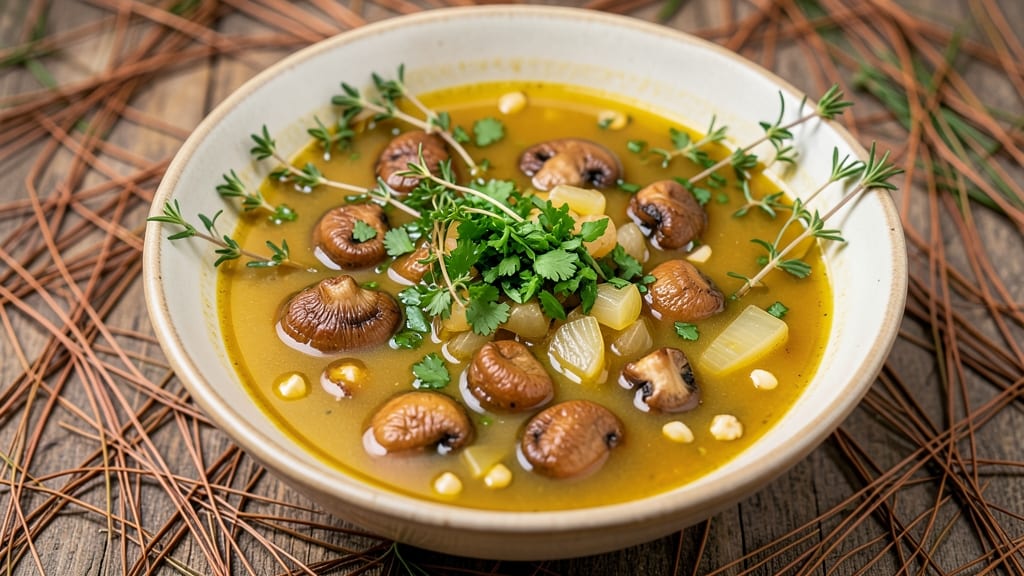
This chanterelle soup recipe brings the rich, earthy flavors of the forest into your kitchen without requiring a wild mushroom hunt. The secret lies in combining dried chanterelles with fresh aromatics to create a velvety broth that captures their signature umami depth.
I’ve perfected this technique over years of testing, ensuring every spoonful delivers that elusive forest magic.
What sets this recipe apart is the balance of traditional methods—like deglazing the pan with white wine—and modern touches, such as a touch of cream for luxurious texture. The soup simmers just long enough to develop complex flavors while keeping the mushrooms tender.
Whether you use vegetable or chicken broth, the result is a deeply satisfying dish that feels both rustic and refined.
The final product is a golden, aromatic soup with tender chanterelles floating in a rich, savory broth. Garnished with fresh herbs and a drizzle of cream, it’s the kind of meal that feels like a cozy embrace on a chilly evening.
Ready in about 45 minutes, it’s perfect for weeknight dinners or impressing guests.
This recipe also adapts easily to dietary preferences—swap the cream for coconut milk for a dairy-free version, or add a splash of sherry for extra depth. The flexibility makes it a go-to for any occasion. Let’s get cooking!
Ingredients for chanterelle soup
Earthy mushrooms meet aromatic herbs and rich broth in this velvety chanterelle soup.
| Ingredient | Amount | Notes |
|---|---|---|
| Dried Chanterelle Mushrooms 🍄 | ½ oz | High-quality, organic preferred |
| Vegetable or Chicken Broth 💧 | 6 cups | Homemade or high-quality low-sodium |
| Yellow Onion 🧅 | 1 whole | Medium size, diced finely |
| Garlic Cloves 🧄 | 4 cloves | Fresh, peeled and minced |
| Fresh Thyme 🌿 | ¼ cup | Leaves only, stems removed |
| Fresh Parsley 🌿 | ¼ cup | Flat-leaf, chopped for garnish |
| Dry White Wine 🍷 | ½ cup | Sauvignon Blanc preferred |
| Heavy Cream 🥛 | ½ cup | Full-fat for richness |
| Unsalted Butter 🧈 | 2 tbsp | European-style preferred |
| Sea Salt 🧂 | 1 ½ tsp | Fine grain, adjust to taste |
| Freshly Ground Black Pepper 🌶️ | ½ tsp | Cracked pepper preferred |
| Olive Oil 🫒 | 2 tbsp | Extra-virgin for sautéing |
| Fresh Lemon Juice 🍋 | 1 tbsp | Bright, freshly squeezed |
The dried chanterelles are the heart of this recipe—organic or high-quality dried mushrooms from Penzeys or local specialty stores make all the difference. Look for vibrant color and a fresh harvest date; older mushrooms lose their depth. If you can't find dried, fresh chanterelles work too, but they're pricey. The broth? Homemade is ideal, but low-sodium store-bought works in a pinch—just rinse the cubes first. For the wine, any crisp Sauvignon Blanc does the trick, but avoid anything too oaky. Fresh thyme and parsley should be bright green and fragrant—if they smell dull, they're past their prime.
No white wine? Vegetable or chicken broth with a splash of apple cider vinegar mimics the acidity. Running low on heavy cream? Coconut milk or Greek yogurt adds creaminess without dairy. Can't find fresh thyme? Dried works at one-third the amount, but fresh is worth hunting down. The butter should be cold and cubed when you start—it adds luxurious body. For extra depth, a pinch of nutmeg or sherry elevates the flavor profile without overpowering. If using fresh mushrooms, clean them with a damp cloth only—never soak them, or they'll turn to mush.
This soup tastes even better the next day—reheat gently on low heat with a splash of broth to restore creaminess. Store in an airtight container for 4-5 days in the fridge or freeze for 3 months. Garnish with fresh herbs and a drizzle of cream right before serving. For a restaurant-worthy touch, toast the mushrooms in butter before adding broth to deepen their flavor. The secret to velvety texture? Strain the broth after simmering if you prefer ultra-smooth soup, or leave it rustic with chunks.
Why You'll Love This Recipe
- No Soak Required: I’ll be real—dried chanterelles are my lazy-day hero. Toss them straight into simmering broth, and they rehydrate while you sauté the onions and garlic. No waiting, no fuss, just pure convenience.
- Earthy Umami Bomb: That first spoonful? Chef’s kiss. The dried mushrooms soak up the broth like a sponge, bursting with nutty, woodsy depth. Add a splash of cream or a swirl of butter at the end, and it’s like a hug in a bowl.
- Weeknight to Dinner Party: Same simple base, endless possibilities. Serve it rough with crusty bread for a Tuesday night, or garnish with crispy prosciutto and parsley for guests. The broth’s richness carries it all—no extra effort, just elevated vibes.
- Budget-Friendly Luxury: Dried chanterelles cost a fraction of fresh, and a single bag stretches across multiple soups. Freeze leftovers or repurpose them into risottos or pasta—same incredible flavor, zero waste. My wallet and taste buds thank me.
Step-by-step instructions for chanterelle soup
Here's how to transform dried chanterelles into a rich, aromatic forest-inspired soup with perfect texture and depth.
Rehydrate and Sauté the Chanterelles
Place the 0.5 oz dried chanterelle mushrooms in a small bowl and cover with 1 cup hot vegetable or chicken broth. Let them soak for 15 minutes while you prepare the aromatics. This rehydration process unlocks their earthy flavor and prevents them from absorbing too much moisture later.
In a large pot over medium heat, add the 2 tbsp olive oil and 2 tbsp unsalted butter. Once the butter foams, add the 1 whole yellow onion and 4 cloves garlic cloves. Sauté for 5 minutes until the onion becomes translucent and the garlic releases its aroma. Drain the rehydrated mushrooms, reserving the soaking liquid, then add them to the pot. Cook for 3-4 minutes until they darken slightly and release their rich, woodsy scent.
Build the Flavor Base
Add the 0.25 cup fresh thyme and 0.5 cup dry white wine to the pot. Stir and let it simmer for 2 minutes until the wine reduces by half. This step deepens the flavor profile by concentrating the wine's acidity and allowing it to meld with the mushrooms. Next, pour in the remaining 5 cups vegetable or chicken broth and the reserved mushroom soaking liquid. Bring to a gentle boil, then reduce heat to medium-low and let it simmer uncovered for 15 minutes to develop the base flavors.
Season with 1.5 tsp sea salt and 0.5 tsp freshly ground black pepper. Taste the broth at this stage—it should be rich and savory, with the chanterelles' distinct earthy aroma. If the soup tastes flat, add a pinch more salt or a splash of wine to brighten the flavors. This is your chance to adjust before adding the cream.
Finish with Cream and Brighten
Stir in the 0.5 cup heavy cream and simmer gently for 5 minutes to heat through without curdling. The cream should blend smoothly, adding a velvety texture while maintaining the soup's earthy character. Remove the pot from heat and stir in the 1 tbsp fresh lemon juice. This final acid touch balances the richness of the cream and enhances the chanterelles' natural brightness.
Taste again and adjust seasoning if needed. The soup should be harmonious—earthy from the mushrooms, rich from the cream, and bright from the lemon. If it's too thick, thin with a splash of warm broth; if too thin, simmer uncovered for another 2-3 minutes to reduce slightly.
Garnish and Serve
Ladle the soup into bowls and garnish each serving with 0.25 cup chopped fresh parsley. The parsley adds a fresh contrast to the deep, earthy flavors and a pop of color. Serve immediately while the cream is still velvety and the flavors are at their peak. Pair with crusty bread to soak up every last drop of this forest-inspired creation.
This soup keeps well in the refrigerator for 3-4 days, though the cream may separate slightly. Give it a stir and reheat gently before serving. The longer it sits, the more the flavors meld, making it even more comforting with each passing day.
Pro Tips For Making Chanterelle Soup
- Soak Mushrooms Twice: Dried chanterelles are stubborn—soak them in warm water for 20 minutes, drain, then soak again in fresh hot water for another 10 minutes. This double rinse removes bitterness and guarantees they’ll rehydrate properly without grit. (Yes, it’s extra work, but your soup will taste like it came from a forest, not a can.)
- Sweat Onions Slowly: Don’t rush the onions—cook them over medium-low heat for 8–10 minutes until they’re translucent and just starting to caramelize. High heat burns them before they soften, and you’ll end up with a raw onion taste lurking under the mushrooms. Patience here makes the difference between "meh" and "wow."
- Bloom Garlic Right: Add the minced garlic to the pot after the onions have sweated, then let it sit for 30 seconds before stirring. This lets the raw garlic aroma mellow into nutty depth instead of turning bitter. (I learned this the hard way when my soup tasted like a garlic factory explosion.)
- Strain the Broth: If using dried mushrooms, strain the soaking liquid through a fine-mesh sieve before adding it to the broth. The sediment clogs your soup with dirt and makes it murky—like drinking a mud puddle. A quick strain guarantees a silky, golden liquid. (Your future self will notice.)
Pro cooking tips for this dish
Deglaze Like a Pro
After sautéing your onions and garlic, don’t just dump in the wine—deglaze properly to unlock maximum flavor. Swirl in the 0.5 cup Sauvignon Blanc and let it bubble vigorously for 2 full minutes until reduced by half.
This step caramelizes the fond (browned bits) on the pan, adding a deep, savory richness that dried mushrooms alone can’t replicate. I’ve found that using a wide, shallow pot (like my All-Clad Stainless Steel) gives you more surface area for even reduction. 🍷
Controlled Simmering
Simmering too hard can turn your velvety soup into a mushy mess. Maintain a gentle simmer—you should see tiny bubbles at the edges, not a rolling boil. If your broth reduces too quickly, add 2-3 tbsp warm water to maintain consistency.
The 15-minute uncovered simmer is critical for developing depth without overcooking the mushrooms. I use a digital thermometer to keep temps between 185-195°F—this ensures the broth infuses without breaking down the delicate chanterelle texture.
Creamy Perfection
Adding cream too early can cause curdling from the acidity of the wine and lemon. Temper the cream first: Ladle ½ cup hot broth into the cream while whisking vigorously, then return it to the pot.
This gradual warming prevents separation. For an extra-luxurious finish, I sometimes stir in 1 tbsp cold butter at the end—it adds a silky mouthfeel without altering the soup’s structure. 🥛
Texture Secrets
Want a smooth soup? Strain the broth through a fine-mesh sieve after simmering. Prefer rustic chunks? Use a slotted spoon to remove whole mushrooms after cooking, then chop them coarsely before adding back in.
For a silky finish, blend ½ cup of the soup and stir it back in—this creates a luxurious body while keeping some texture. I also recommend a handheld immersion blender for precision control.
Flavor Boosters
Elevate your soup with these pro-level tweaks: Add ½ tsp nutmeg when simmering for a warm, earthy note. Swap white wine for ½ cup dry sherry for a nutty depth. For umami, stir in 1 tsp fish sauce (trust me, it disappears but adds complexity).
If using fresh chanterelles, sear them in butter for 2-3 minutes per side before adding to the pot—this intensifies their flavor and creates a caramelized crust. 💡
Nutrition facts
Frequently asked questions
Can I substitute fresh chanterelles for dried in this recipe?
Use 1 cup fresh chanterelles instead of dried, but clean them gently with a damp cloth (never soak) to avoid sogginess. Fresh chanterelles have a more delicate texture, so reduce simmering time to 10 minutes after adding broth to prevent mushiness. Their flavor is slightly brighter than dried, so you may want to add a pinch more salt.
What if I don't have white wine for deglazing?
No problem! Use ½ cup apple cider vinegar or chicken broth with a splash of lemon juice to mimic the acidity and depth. For extra richness, add 1 tbsp soy sauce or a pinch of nutmeg. The key is balancing acidity and umami—just adjust seasoning to taste at the end.
How do I fix a soup that's too thick or too thin?
For thick soup, thin with 2-3 tbsp warm broth while stirring. For thin soup, simmer uncovered for 2-3 minutes to reduce, or stir in 1 tbsp cornstarch mixed with 1 tbsp cold water. Always taste as you adjust—this soup should coat a spoon lightly but not be gluey.
Can I make this soup dairy-free?
Yes! Replace the ½ cup heavy cream with ½ cup coconut milk (full-fat for best texture) or ¼ cup Greek yogurt. For extra richness, stir in 1 tbsp nutritional yeast after simmering. The coconut milk adds a subtle sweetness that pairs beautifully with chanterelles' earthiness.
Why does my chanterelle soup taste bland?
Blandness usually means insufficient umami or seasoning. Try adding 1 tsp fish sauce (for depth), ½ tsp smoked paprika (for warmth), or a splash of balsamic vinegar (for acidity). Also check your broth—use low-sodium and season generously. The key is layering flavors: salt, acid, and fat work together to create complexity.