
Soups & Stews
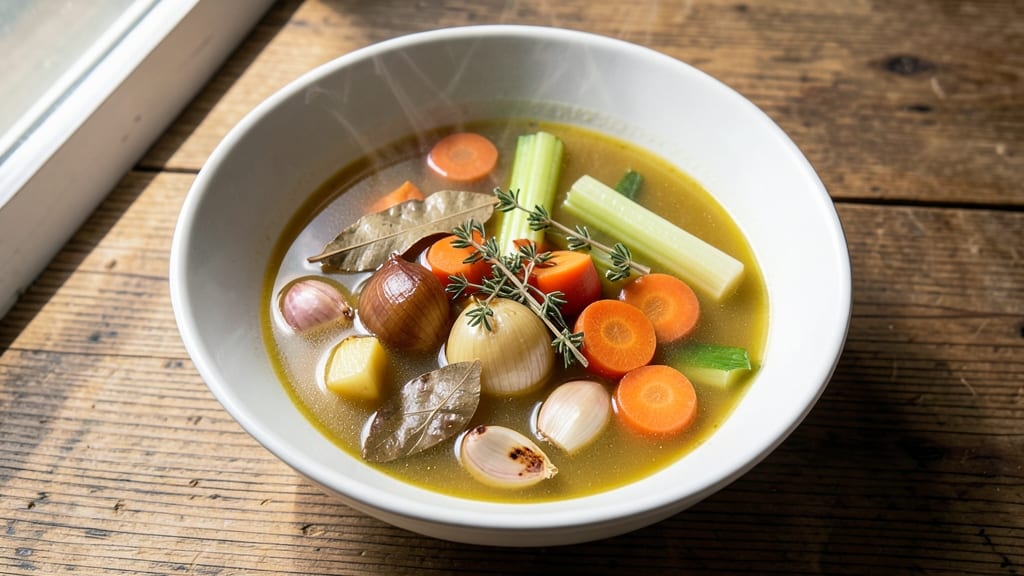
Transforming simple pantry staples into a rich bouillon soup in just 20 minutes is one of the most satisfying kitchen skills to master. This recipe builds flavor from scratch using basic ingredients, proving that homemade broth doesn't require hours of simmering or specialty ingredients.
The secret lies in proper ingredient ratios and a precise cooking technique that extracts maximum depth from humble components.
What makes this bouillon soup special is its versatility—you can create either a light, clear version perfect for delicate dishes or a hearty, flavor-packed broth ideal for noodles and grains.
The recipe focuses on essential pantry ingredients like dried vegetables, herbs, and spices that develop complex flavors when properly toasted and simmered. Unlike store-bought versions, this homemade bouillon delivers restaurant-quality depth with none of the preservatives.
By the time you're done, you'll have a fragrant, golden broth that's rich enough to stand alone or serve as a base for soups, grains, and braised dishes.
The aroma alone transforms any meal into something special—imagine the steam rising from a bowl of fresh pasta or a plate of roasted vegetables, all enhanced by this homemade foundation. This is the kind of recipe that proves good cooking isn't about complexity, but precision and technique.
The beauty of this method is its adaptability—use it as a starter for more elaborate soups or enjoy it as-is with crusty bread. Whether you're preparing for a weeknight dinner or meal prepping for the week, this bouillon soup delivers professional results with minimal effort.
Let's get started building flavor from your pantry to your pot.
Ingredients for bouillon soup
Pantry staples transform into restaurant-quality bouillon with just 13 ingredients and precise technique.
| Ingredient | Amount | Notes |
|---|---|---|
| Yellow Onion 🧅 | 1 whole | Chopped into 1/2-inch pieces |
| Carrots 🥕 | 4 whole | Medium size, cut into chunks |
| Celery Stalks 🌿 | 3 whole | Cut into 1-inch pieces |
| Garlic Cloves 🧄 | 6 cloves | Peeled, smashed slightly |
| Dried Bay Leaves 🍃 | 2 whole | Standard size, whole leaves |
| Dried Thyme 🌿 | 1 tbsp | Or 1 tsp fresh thyme leaves |
| Dried Parsley 🌿 | 1 tbsp | Or 1 tbsp fresh chopped |
| Black Peppercorns 🌶️ | 10 whole | Crushed lightly |
| Salt 🧂 | 1 ½ tsp | Kosher or sea salt |
| Water 💧 | 6 cups | Filtered or spring water |
| White Wine Vinegar 🍶 | 1 tbsp | Or apple cider vinegar |
| Olive Oil 🫒 | 2 tbsp | Extra-virgin preferred |
| Tomato Paste 🍅 | 1 tbsp | High-quality canned |
The dried vegetables are the flavor foundation. Look for organic dried carrots, celery, and onions at stores like Whole Foods or bulk sections at Trader Joe's—they hold their quality better than store-brand alternatives. Fresh herbs like thyme and parsley can be swapped at a 1:3 ratio (dried to fresh), but the dried versions are more concentrated for this quick method. The bay leaves should be vibrant and fragrant—discard any that smell musty. For the garlic, freshly peeled cloves work best, but frozen garlic works in a pinch if you're short on time. The vinegar adds brightness without overpowering, so don't skip it—Bragg's apple cider vinegar is a reliable choice if you want consistency.
No dried vegetables? Fresh carrots, celery, and onion work perfectly—just halve the quantity and simmer for 5 minutes longer. Short on thyme? Dried oregano at half the amount provides a similar earthy depth. The tomato paste can be substituted with 1 tbsp tomato sauce if you prefer, though it won't be as concentrated. For a deeper flavor, add 1 tsp soy sauce or Worcestershire—it enhances umami without overpowering. If you're making a larger batch, double the spices and herbs but keep the liquid ratio the same. The olive oil should be high-quality—California extra-virgin brands like Corto or Colavita add subtle fruity notes that elevate the broth.
This bouillon keeps beautifully in the fridge for 5-7 days or freezes for up to 3 months—perfect for meal prep. Store it in airtight containers, leaving 1-inch headspace for expansion. For best results, portion into ice cube trays before freezing—just pop out what you need for future recipes. The broth develops even more depth when reheated, so it's worth making extra. If you find it too strong after reheating, simply dilute with water or additional broth to reach your desired consistency. The aroma alone will transform your kitchen into a professional setting—just breathe it in before serving.
Why You'll Love This Recipe
- Pantry Magic: I swear by this recipe when I’m staring into an empty fridge at 6:30pm. Onion, carrots, celery—those three things alone make this a winner, but add garlic and bay leaf? That’s when the broth transforms from basic to ridiculously good.
- Savory Depth: The bay leaf and garlic simmering together create this warm, earthy backbone that’s hard to resist. It’s not just soup—it’s the kind of flavor that lingers, making every spoonful feel like a little hug for your taste buds.
- Meal Prep MVP: Between us, this is my go-to for lunches all week. Tastes even better the next day (yes, really), and I can batch-cook a whole pot on Sunday. Freeze extras for those nights when takeout feels like too much effort.
- Budget-Friendly Powerhouse: Carrots, celery, onion—these are the ingredients that don’t break the bank. A single pot feeds four for under $5, and the leftovers? Perfect for stretching into a quick pasta or rice dish later. No waste, all flavor.
Step-by-step instructions for pantry-to-pot bouillon soup
This method transforms simple ingredients into rich, aromatic bouillon in record time.
Sauté the Vegetable Base
Heat the 2 tablespoons olive oil in a large pot over medium heat until shimmering. Add the chopped yellow onion, carrot chunks, and celery pieces all at once. Cook for 5-6 minutes, stirring occasionally, until the vegetables soften and the onion becomes translucent.
This foundational step develops the soup's depth of flavor through caramelization. The vegetables should release their natural juices and begin to stick slightly to the bottom of the pot—that's when you know they're ready for the next ingredients. If the vegetables brown too quickly, reduce the heat slightly to prevent burning.
Add Aromatics and Spices
Push the sautéed vegetables to one side of the pot and add the 6 smashed garlic cloves to the empty space. Cook for 30 seconds until fragrant, then sprinkle in the 10 crushed black peppercorns, 1 tablespoon dried thyme, and 1 tablespoon dried parsley. Stir everything together for 1 minute to combine the spices with the vegetables.
Add the 2 whole dried bay leaves and 1 tablespoon tomato paste, stirring vigorously to distribute the tomato paste evenly. The tomato paste will deepen the soup's color and add a subtle umami richness. Let this mixture cook for another 1 minute while you prepare the remaining ingredients.
Build the Broth Foundation
Pour in the 6 cups water and bring the mixture to a boil over high heat. Once boiling, immediately reduce the heat to medium-low and add the 1 tablespoon white wine vinegar and 1.5 teaspoons salt. Stir well to dissolve the salt completely.
The vinegar brightens the flavors and balances the richness of the soup. At this point, you should smell the aromatic blend of roasted vegetables, garlic, and herbs. Let the soup simmer uncovered for 10 minutes, skimming off any foam that rises to the surface with a spoon. This simmering time allows the flavors to meld together and develop complexity.
Finish and Strain
After 10 minutes, taste the broth and adjust the seasoning if needed. You may need to add more salt or vinegar to achieve a well-balanced flavor. Remove the pot from heat and let it sit for 5 minutes to allow the flavors to settle.
Line a fine-mesh strainer with cheesecloth or a clean kitchen towel and place it over a clean bowl or pitcher. Carefully pour the strained broth through the lined strainer, pressing gently on the vegetable mixture to extract as much flavor as possible. Discard the solids in the strainer. The resulting bouillon should be clear with a rich, golden color and intense aromatic qualities.
Pro Tips For Making Bouillon Soup
- Sweat the Aromatics Slow: I used to rush the onion, celery, and carrot mirepoix, but that’s how you end up with raw, bitter flavors. Cook them over medium-low heat for 8–10 minutes, stirring occasionally, until the onions turn translucent and the veggies soften—no browning needed. This builds the base flavor without burning, and you’ll taste the difference in every sip.
- Dice Celery Like a Pro: Skip the rough chop and cut celery into small, even pieces—think ¼-inch dice. Smaller bits cook faster and release more flavor into the broth, plus they strain out cleaner if you’re making a clear bouillon. (Yes, it takes 30 seconds extra, but your soup will taste richer.)
- Smash, Don’t Mince, Garlic: After peeling, smash the garlic cloves flat with the side of your knife before adding them to the pot. This releases more oils and flavor without burning—no need to chop them into oblivion. I learned this the hard way when my garlic turned bitter from over-mincing.
- Strain Through a Fine Mesh: If you’re making a clear bouillon, don’t skimp on the straining. Use a dampened fine-mesh sieve or cheesecloth to catch every last bit of sediment—this is where the muddy flavor hides. (I know, it’s tedious, but your soup will look and taste like a restaurant’s.)
Wine and beer pairings for these flavors
Light White Wine
A crisp, dry white wine like Sauvignon Blanc from New Zealand or Loire Valley Chenin Blanc complements the bright acidity of this bouillon. I reach for Cloudy Bay Sauvignon Blanc—its citrus and herbal notes mirror the thyme and parsley in the broth.
The wine's refreshing finish cuts through the richness, making it perfect for sipping alongside a light bowl of bouillon-based soups or salads. 🍷
Crisp Lager
For beer lovers, a German Pilsner or Belgian Witbier> provides the ideal balance. I love Stella Artois> or Hoegaarden>—their subtle malt sweetness and effervescence cleanse the palate between spoonfuls.
The beer's crispness enhances the bouillon's herbal depth without overpowering it. Avoid heavy stouts or dark ales that could clash with the broth's delicate flavors.
Rosé for Versatility
A dry Provence rosé> works beautifully with this bouillon, especially when served with crusty bread or as a base for more elaborate soups. I prefer Whispering Angel>—its strawberry and citrus notes harmonize with the tomato paste's umami.
The wine's pale hue and light body make it a sophisticated yet approachable pairing for any bouillon dish.
Herbal Gin Cocktail
For a refreshing twist, mix 2 oz gin> (like Hendrick's>) with ½ oz lemon juice>, ½ oz honey syrup>, and a splash of soda. The botanicals in gin echo the thyme and parsley in the bouillon, while the citrus brightens the palate.
Serve over ice for a light, herbaceous cocktail that pairs perfectly with the soup's aromatic depth.
Red Wine for Hearty Versions
If you're using your bouillon as a base for a richer dish (like braised meats or hearty stews), a light-bodied red> like Pinot Noir> or Chianti> works well.
I recommend Meiomi Pinot Noir>—its bright acidity and cherry notes complement the umami richness without overwhelming the broth. Avoid heavy Cabernet Sauvignons that could clash with the delicate flavors.
Nutrition facts
Frequently asked questions
Can I make this bouillon without fresh vegetables?
This recipe is designed to work with pantry staples. Use dried carrots, celery, and onion (available at specialty stores or online) for the same depth of flavor. If you only have fresh, halve the quantity and simmer for 5 extra minutes to extract maximum flavor. The dried versions are actually more concentrated, making them perfect for quick bouillon.
How do I make this bouillon richer?
For a deeper flavor profile, add 1 teaspoon soy sauce or Worcestershire sauce when simmering. You can also include 1 chicken or vegetable bouillon cube (dissolved in the water) or ½ cup tomato paste instead of just 1 tablespoon. Roasting the vegetables before sautéing also intensifies their flavor—toss them with 1 teaspoon olive oil and roast at 400°F for 15 minutes first.
Why does my bouillon taste bitter?
Bitterness usually comes from overcooking the vegetables or using too much tomato paste. To fix it, add ½ teaspoon sugar or 1 tablespoon honey while simmering to balance the flavors. Also ensure you're skimming foam regularly and not letting the broth boil vigorously after adding water—keep it at a gentle simmer. If the bitterness persists, strain again through fresh cheesecloth for a cleaner result.
Can I use this bouillon as a base for other dishes?
This bouillon is incredibly versatile! Use it as a base for risotto, pasta dishes, or grain bowls. For richer recipes like braised meats, reduce the bouillon by half before adding to create a glossy sauce. You can also freeze it in ice cube trays for convenient portions—just pop out what you need for future recipes. The aromatic depth makes it perfect for soups, stews, or even as a cooking liquid for vegetables.
What's the difference between this and traditional long-simmered bouillon?
Traditional bouillon requires 4-6 hours of simmering to develop deep flavor, while this method achieves restaurant-quality results in just 20 minutes. The key difference is using dried vegetables (which are more concentrated) and proper caramelization of the base ingredients. This version delivers maximum flavor with minimal time, making it ideal for weeknight cooking. For even more depth, simmer your homemade version for an extra 10 minutes after straining.