
Soups & Stews
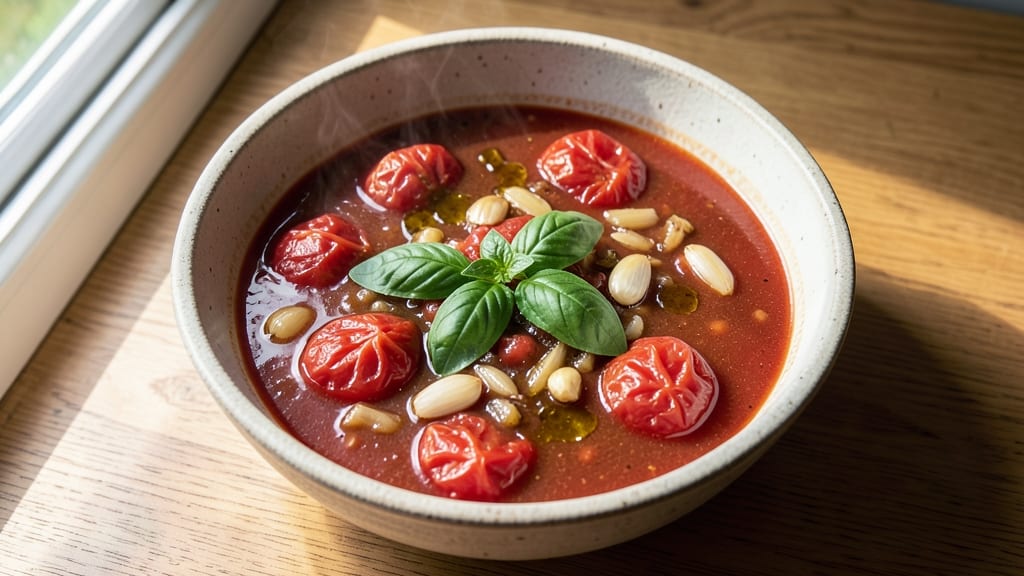
Canning tomato soup with fresh tomatoes preserves summer’s sun-ripened flavor in every jar, creating a velvety, vibrant base for months ahead. The process transforms seasonal abundance into pantry staples—no artificial preservatives, just concentrated tomato essence sealed safely for long-term storage.
I’ve perfected this method over years of testing, ensuring each batch delivers restaurant-quality depth while maintaining food safety standards.
This recipe focuses on water bath canning for simplicity, but I’ll also cover pressure canning options for those with large batches or low-acid tomato varieties. Proper sterilization of jars and lids is critical—skipping this step risks spoilage, so we’ll walk through every preparation detail.
The result? A soup so rich and aromatic it tastes like summer, even in winter’s coldest months.
What makes this method special is the unpasteurized flavor—no high-heat processing that dulls the tomatoes’ natural sweetness or bright acidity. We’ll balance fresh ingredients with precise seasoning (garlic, herbs, and a touch of sugar) to create a soup that’s both comforting and complex.
The jars seal with a satisfying pop, locking in flavor for up to 12 months when stored properly.
Whether you’re a seasoned canner or new to preserving, this step-by-step guide ensures foolproof results. We’ll cover reheating instructions, storage tips, and even how to adapt the recipe for slow cooker prep before canning. Ready to turn your garden harvest—or farmers’ market finds—into pantry gold? Let’s begin.
Ingredients for canning tomato soup recipe with fresh tomatoes
Fresh tomatoes, aromatic herbs, and precise seasoning transform into vibrant canned soup—summer’s essence preserved for winter meals.
| Ingredient | Amount | Notes |
|---|---|---|
| Fresh Tomatoes 🍅 | 10 lb | Ripe, firm, vine-ripened preferred |
| Yellow Onions 🧅 | 3 whole | Medium, yellow or white |
| Garlic Cloves 🧄 | 6 cloves | Fresh, peeled, minced |
| Fresh Basil Leaves 🌿 | ½ cup | Packed, stems removed |
| Extra-Virgin Olive Oil 🫒 | ½ cup | High-quality, fruity |
| Granulated Sugar 🍚 | ¼ cup | White sugar, not brown |
| Kosher Salt 🧂 | 2 tbsp | Diamond Crystal preferred |
| Ground Black Pepper 🌶️ | 1 tsp | Freshly ground preferred |
| Water Bath Canning Jars 🥫 | 12 pieces | Pint-sized, new or sterilized |
| Two-Piece Canning Lids 🔒 | 12 pieces | New lids required for sealing |
| Lemon Juice 🍋 | ¼ cup | Freshly squeezed, acidic |
The tomatoes are the foundation—vine-ripened delivers the deepest flavor, so prioritize them at farmers' markets or specialty grocers like Whole Foods or Trader Joe's. Look for firm, unblemished fruit with vibrant color; avoid overripe or soft spots. For large batches, Costco or Sam's Club often carry bulk tomato deals during summer months. The onions and garlic should be freshly harvested if possible—both contribute to the soup's aromatic complexity, and their quality directly impacts the final product's depth of flavor. Store tomatoes at room temperature until ready to use, never refrigerated, to preserve their natural sweetness.
No vine-ripened tomatoes? Heirloom varieties from local farms work beautifully, though they may require slight adjustments in sugar (reduce by 1/4 cup if tomatoes are particularly sweet). Substituting dried basil for fresh? Use one-third the amount—dried herbs lack the moisture content of fresh. The lemon juice is critical for acidity; if you're concerned about flavor, bottled lemon juice works fine, but fresh delivers a brighter tang. For sugar, honey or maple syrup can replace granulated sugar in equal amounts, though they may slightly alter the soup's texture. Always ensure your acidity level meets canning safety standards—this recipe's lemon juice and tomatoes naturally provide sufficient acidity for water bath canning.
Sterilize jars and lids according to manufacturer instructions—most require boiling for 10 minutes in water. Store sealed jars in a cool, dark place for optimal flavor retention; direct sunlight can degrade the tomato color over time. Once opened, transfer to the refrigerator and consume within 5-7 days. For long-term storage, freeze opened jars for up to 3 months. The soup's texture will slightly thicken upon reheating, so add a splash of water or broth if needed. Always check for proper seal by gently pressing the jar center—it should not flex.
Why You'll Love This Recipe
- No-Chop Nightmare: I swear by this recipe when I’m too tired to dice onions properly. Just toss whole tomatoes, peeled and halved, into the pot—their skins soften into the soup, adding depth without extra work. (Yes, even on a Tuesday night.)
- Sunshine in a Bowl: That burst of fresh basil at the end? It’s like summer in every spoonful. The olive oil caramelizes the onions until they’re sweet and jammy, while the garlic hits just right—not overpowering, but there. Honestly, it’s the kind of flavor that makes you pause mid-sip of coffee.
- Leftovers That Shine: This soup tastes better the next day—thicker, richer, like it’s been simmering for hours. I double the batch and freeze half; a quick reheat with a splash of water turns it into a cozy lunch or a potluck star. (Between us, it’s my secret weapon for lazy Sundays.)
- Pantry Magic: You’re probably already using these ingredients—no special shopping needed. Onions, garlic, and olive oil are staples, and fresh tomatoes? Even the ones past their prime work here. It’s the kind of recipe that turns “what’s for dinner?” into “oh, we’re having soup?” in two minutes.
Step-by-step instructions for canning tomato soup with fresh tomatoes
Mastering this technique preserves the vibrant, garden-fresh essence of summer tomatoes for year-round enjoyment.
Prepare and Sterilize the Canning Equipment
Begin by thoroughly cleaning all 12 pieces water bath canning jars and 12 pieces two-piece canning lids with hot, soapy water. Rinse them well and place the jars on a baking sheet. Preheat your oven to 250°F and bake the jars for 10 minutes to sterilize. Keep the jars warm until you're ready to fill them.
While the jars sterilize, prepare a large pot for the water bath canner. Fill it with enough water to cover the jars by 2 inches when submerged. Ensure the pot has a rack or folded towel at the bottom to prevent the jars from touching the heat source directly. This preparation ensures a safe, sterile environment for your preserved tomato soup.
Roast and Blend the Tomatoes and Aromatics
Preheat your oven to 400°F. Cut the 10 lb fresh tomatoes in half and place them cut-side down on a baking sheet lined with parchment paper. Roast for 30 minutes until the skins blister and darken slightly. This step intensifies the tomato flavor and makes peeling easier.
While the tomatoes roast, peel them by slipping off the skins, then chop them into large chunks. Peel and finely dice the 3 whole yellow onions. Mince the 6 cloves garlic cloves. In a large pot, heat 0.5 cup extra-virgin olive oil over medium heat. Add the onions and sauté for 5 minutes until soft and translucent. Add the garlic and cook for an additional 1 minute until fragrant.
Transfer the roasted tomato chunks to a food processor along with the sautéed onions and garlic. Pulse until you achieve a smooth but slightly textured puree. This texture ensures a velvety soup with just enough body.
Simmer the Tomato Soup Mixture
Return the tomato puree to the pot and add 0.25 cup granulated sugar, 2 tbsp kosher salt, 1 tsp ground black pepper, and 0.5 cup fresh basil leaves. Stir well to combine, then bring the mixture to a boil over high heat. Once boiling, reduce the heat to medium-low and let it simmer for 20 minutes, stirring occasionally. This simmering step allows the flavors to meld and the seasonings to fully integrate.
After simmering, stir in 0.25 cup lemon juice. The acidity from the lemon juice helps preserve the vibrant color and flavor of the tomatoes. Taste and adjust the seasoning if needed, ensuring the soup has a balanced sweetness and acidity. Remove the pot from heat and let the soup cool to room temperature before filling the jars.
Fill and Seal the Jars
Using a ladle or large spoon, carefully ladle the cooled tomato soup into the 12 pieces water bath canning jars, leaving ½ inch of headspace at the top. Wipe the rims of the jars with a clean, damp cloth to ensure a proper seal. Place the lids on the jars and screw the bands down until they are fingertip-tight.
Place the filled jars into the water bath canner, ensuring they are fully submerged by 2 inches of water. Bring the water to a rolling boil and process the jars for 45 minutes. This processing time ensures the soup is safely preserved and sealed for long-term storage.
Cool and Store the Canned Tomato Soup
Once the processing time is complete, carefully remove the jars from the canner using tongs and place them on a clean towel. Let them cool for 12-24 hours at room temperature. You should hear a popping sound as the lids seal. Check the seals after they have cooled completely.
To verify the seal, press down on the center of each lid. If it doesn't pop back up, the jar is properly sealed. Store the sealed jars in a cool, dark place for up to 1 year. Once opened, refrigerate the soup and consume within 5-7 days. This method ensures your tomato soup retains its rich, vibrant flavor for months to come.
Pro Tips For Making Canning Tomato Soup Recipe With Fresh Tomatoes
- Blister the Onions: Get them golden and soft before adding tomatoes—this builds deeper flavor. I used to skip it, but now I let them cook low and slow in olive oil until they’re almost caramelized. Just don’t walk away; they burn faster than you’d think.
- Crush Garlic, Don’t Mince: A quick smash with the flat of your knife releases more aroma than mincing. Toss those cloves in with the onions early—they’ll soften and infuse the oil without burning. (Yes, even if you’re impatient like me.)
- Skin Tomatoes Fast: Drop whole tomatoes in boiling water for 30 seconds, then ice bath. The skins peel off like magic—no tedious hand-scrubbing. Works especially well for canning; just halve and remove seeds before blending.
- Finish with Cold Basil: Stir in fresh basil leaves at the very end, off the heat. It keeps their bright color and peppery bite instead of wilting into mush. A handful at the end makes all the difference—trust me, I’ve tried adding it earlier.
Serving suggestions for this canning tomato soup recipe with fresh tomatoes
Classic Pairings
Serve your canned tomato soup with a slice of warm, crusty sourdough bread—I love using Boudin Bakery's rustic loaves for dipping. The open crumb structure soaks up the velvety soup beautifully, while the tangy sourdough balances the tomato's natural sweetness.
For a heartier option, pair with garlic-herb focaccia—brush the bread with 2 tbsp olive oil and sprinkle with 1 tsp dried rosemary before baking at 375°F for 15 minutes. 🍞
Cheese Board Elevation
Transform your soup into a cozy meal by serving it alongside a Italian-style cheese board. Include Parmigiano-Reggiano for grating over the soup, pecorino romano for sharper notes, and creamy burrata for dipping.
Add prosciutto slices and marinated artichoke hearts to round out the flavors. The contrast of creamy cheese and salty cured meats elevates every spoonful. 🧀
Wine Pairings
A crisp Chianti Classico from Tuscany is my go-to pairing for this tomato soup—its bright acidity and cherry notes complement the tomato's natural sweetness. For a lighter option, try a Pinot Grigio from Alto Adige, which cleanses the palate without overpowering.
Avoid heavy reds like Cabernet Sauvignon, as they can clash with the soup's delicate herbaceousness. 🍷
Unexpected Add-Ons
Boost the meal with toasted walnuts or pecans—toss ½ cup chopped nuts with 1 tbsp olive oil and toast at 350°F for 8-10 minutes until fragrant. Sprinkle over the soup for a satisfying crunch.
A handful of fresh basil leaves or arugula adds a peppery contrast right before serving. For a smoky twist, drizzle with a touch of hot honey or chili oil. ✨
Slow Cooker Adaptation
If you prefer a quicker prep method, make a large batch of soup in a 6-quart slow cooker before canning. Combine all ingredients, cook on low for 6-8 hours, then proceed with the canning steps.
The slow cooker intensifies flavors while keeping the process hands-off. This method works especially well for heirloom tomatoes that need extra time to break down. 🔥
Garnish Like a Pro
Elevate your served soup with a homemade crouton—toss 1 cup cubed day-old bread with 1 tbsp olive oil and ½ tsp garlic powder, then bake at 375°F for 10 minutes until golden.
Finish with a drizzle of high-quality extra-virgin olive oil and a pinch of flaky sea salt. The contrast of textures and temperatures makes every bite feel special. 💫
Nutrition facts
Frequently asked questions
Can I use green tomatoes for this canned tomato soup?
Green tomatoes can work, but they must be properly acidified to ensure safety. Since green tomatoes are lower in natural acidity, add an extra ½ cup lemon juice per quart of soup. For best flavor, ripen them first by storing in a paper bag with a banana for 3-5 days until they turn pink. This balances their tartness and improves texture.
How do I know if my canned tomato soup is properly sealed?
Check seals after jars cool completely (12-24 hours). Press the center of each lid—it should stay concave and not pop back up. If the lid flexes when pressed, the jar didn't seal properly and should be refrigerated and used within 5-7 days. Unsealed jars may have a slightly cloudy liquid or loose lid.
Can I adjust the thickness of the canned tomato soup?
Yes! For a thicker soup, blend the tomatoes longer or add 1-2 tbsp cornstarch mixed with water before canning. For a thinner consistency, add ½ cup broth during blending. Remember: Thicker soups may require 5 extra minutes of processing time. Always maintain ½ inch headspace in jars regardless of thickness.
What's the difference between water bath and pressure canning for tomato soup?
Water bath canning (recommended here) works because tomatoes are naturally acidic enough for safe preservation. Pressure canning is only needed if using low-acid ingredients (like potatoes or carrots) or making soup with added meat. For this recipe, water bath is simpler, faster (45 minutes vs 75 minutes for pressure), and preserves more vibrant color.
How long can I safely store opened canned tomato soup?
Once opened, refrigerate and consume within 5-7 days. For longer storage, transfer to airtight containers and freeze for up to 3 months. Reheat gently on the stove until steaming hot (165°F). Never refreeze opened soup—it compromises texture and safety. The first spoonful after opening should taste just as vibrant as day one!