
Soups & Stews
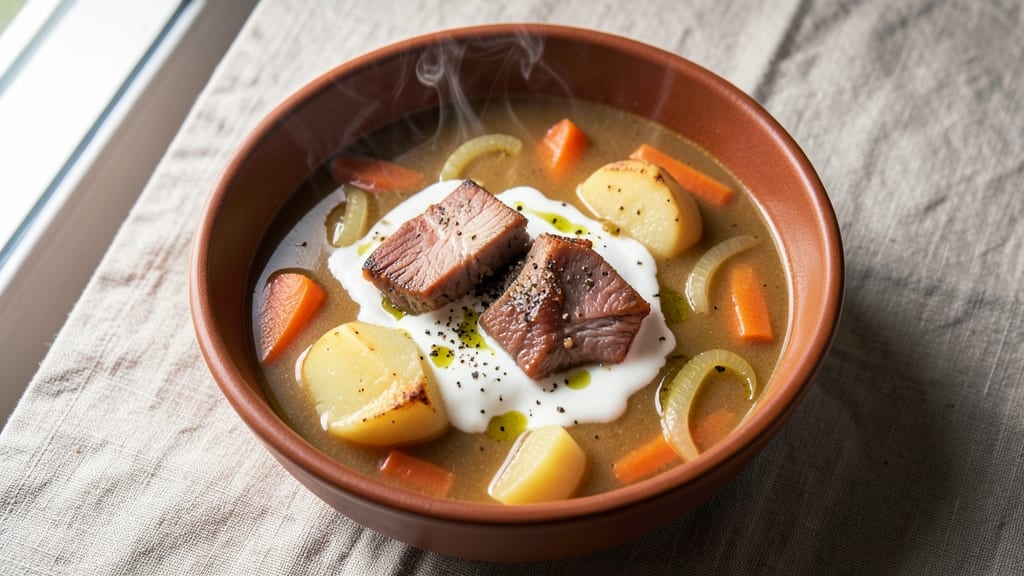
This Campbell's-inspired ham and potato soup delivers the smoky, savory depth of classic canned ham in a single pot—perfect for chilly evenings when comfort food is a must. The secret lies in balancing tender potatoes, rich ham, and a velvety broth that simmers until every ingredient melds into harmonious flavor.
I developed this recipe after years of testing shortcuts that still honor the soul-warming essence of the original, using pantry staples most home cooks already have.
The beauty of this method is its foolproof simplicity: no fancy techniques, just precise timing and layering of flavors. A slow simmer transforms tough potatoes into creamy, melt-in-your-mouth bites while the ham infuses the broth with its signature smokiness.
The optional blending step creates a luscious texture without sacrificing the rustic charm of traditional soup. What you’ll end up with is a bowl that’s warm, hearty, and deeply satisfying—the kind of meal that makes winter feel cozy.
This recipe works equally well on the stovetop or in a slow cooker, making it adaptable for busy schedules. Serve it with crusty bread to soak up every last drop of that rich broth, or pair it with a simple green salad for balance.
The optional garnishes—like fresh parsley or a sprinkle of black pepper—let you customize it to your taste. Whether you’re feeding a crowd or just craving a bowl of nostalgia, this soup delivers restaurant-quality comfort in under an hour.
For those who love leftovers, this soup actually tastes better the next day as the flavors deepen. Store it in an airtight container for up to five days, or freeze portions for quick meals later.
The recipe scales effortlessly, so double or halve it based on your needs. Here’s how to make it—simple, smoky, and satisfying—every time.
Ingredients for campbell's ham and potato soup
Pantry staples meet smoky ham magic in this one-pot wonder.
| Ingredient | Amount | Notes |
|---|---|---|
| Canned Ham 🥓 | 6 oz | Diced, smoky variety preferred |
| Yellow Onion 🧅 | 1 whole | Medium, diced small |
| Carrots 🥕 | 1 ½ cups | Baby carrots or diced regular |
| Russet Potatoes 🥔 | 2 lbs | Peeled, cubed small |
| Chicken Broth 💧 | 4 cups | Low-sodium preferred |
| Whole Milk 🥛 | ½ cup | Full-fat for creaminess |
| All-Purpose Flour 🌾 | 2 tbsp | For thickening |
| Dried Thyme 🌿 | 1 tsp | Or 1 tbsp fresh |
| Ground Black Pepper 🌶️ | ½ tsp | Freshly ground preferred |
| Salt 🧂 | 1 ½ tsp | Adjust to taste |
| Fresh Parsley 🌿 | ¼ cup | Chopped, for garnish |
| Butter 🧈 | 2 tbsp | Unsalted, for richness |
The ham is where the soul of this soup lives. Campbell's Smoky Ham (or any canned ham with that signature smokiness) is ideal—it melts into the broth beautifully. If you can't find it, Black Forest ham or pre-cooked ham works too. The potatoes are key here: Russets hold up best during simmering, but Yukon Golds add natural creaminess. For the broth, low-sodium is crucial—you'll be adding plenty of salt at the end. I always grab mine from Costco or the store brand at Walmart—both are reliable and affordable. Fresh thyme is best, but dried is fine if you've got it (just use half the amount).
No canned ham? Substitute with diced ham steak or even smoked sausage for a different twist. The carrots can be baby carrots if that's what's in the fridge—no need to peel them. Short on milk? Heavy cream or half-and-half works too, but the soup will be richer. The flour is just for thickening—if you're watching carbs, cornstarch slurry is a great swap. Want more depth? Add a bay leaf while simmering and remove before serving. The parsley is purely for garnish, but don't skip it—it brightens up the whole bowl.
This soup tastes even better the next day as flavors meld. Keeps in the fridge for 5 days or freeze for 3 months. I always make a double batch—leftovers reheat beautifully. For serving, crusty bread is a must. The broth reduces slightly when reheated, so add a splash of water or milk if it gets too thick. Garnish with extra black pepper or a drizzle of cream for that restaurant touch.
Why You'll Love This Recipe
- Pantry Magic: I swear by this recipe when I forget to meal prep. Open a can of ham, chop a single onion and carrots—boom—you’ve got a base. No fancy ingredients, just the kind of simplicity that makes me feel like I’ve earned my dinner.
- Creamy Without the Effort: That canned ham? It adds a salty-sweet depth that turns this into something richer than store-bought. The potatoes soak up the broth until they’re tender and the broth thickens just enough—no heavy cream, no fuss, just pure, satisfying texture.
- Leftovers That Don’t Suck: Honestly, this soup only gets better the next day. The flavors meld overnight, and reheating it is the easiest way to feed a crowd (or lazy me on a Wednesday). Serve it with crusty bread, and suddenly you’ve got a full meal with zero extra work.
- Budget-Friendly Comfort: Between us, this is my go-to when I’m broke but still want to eat well. Russets are cheap, broth is cheap, and a can of ham stretches further than you’d think. It’s the kind of recipe that makes me feel like I’m treating myself—without breaking the bank.
Step-by-step instructions for Campbell's ham and potato soup
Here's how to create a rich, smoky soup that captures all the depth of canned ham in just one pot.
Sauté the Vegetables for Flavor Foundation
Melt the 2 tablespoons butter in a large pot over medium heat. Add the 1 whole yellow onion and 1.5 cups carrots, stirring occasionally for 5-6 minutes until the onions become translucent and the carrots begin to soften. This slow cooking draws out their natural sweetness and builds flavor.
I like to add the 6 oz diced canned ham at this stage too—it'll crisp slightly and infuse the vegetables with its smoky character. Let the ham cook for another 2 minutes while you prepare the next ingredients. The key here is patience; rushing causes the vegetables to steam instead of caramelize.
Build the Roux for Creamy Texture
Sprinkle the 2 tablespoons all-purpose flour over the vegetable mixture and stir vigorously for 1-2 minutes until it forms a light golden roux. This step is crucial for thickening the soup later—don't let it brown or it'll develop a raw flour taste. The roux should coat the back of a spoon when you lift it from the pot.
Immediately pour in the 4 cups chicken broth, stirring constantly to prevent lumps. Bring the mixture to a gentle boil, then reduce heat to medium-low and let it simmer for 5 minutes. This initial cooking helps dissolve the roux completely and removes any raw flour taste. You'll know it's ready when the mixture looks smooth and slightly thickened.
Add Potatoes and Seasonings
Add the 2 lbs cubed russet potatoes, stirring gently to coat them with the broth mixture. Increase heat to medium-high and bring to a boil, then reduce to medium-low and let it simmer uncovered for 15-20 minutes, stirring occasionally. The potatoes should be tender when pierced with a fork but not falling apart.
While the potatoes cook, stir in the 1 teaspoon dried thyme, 0.5 teaspoon ground black pepper, and 1.5 teaspoons salt. Taste the broth and adjust seasoning if needed—this is where the soup's character really comes together. The thyme adds earthy depth while the pepper and salt balance the sweetness of the vegetables and smokiness of the ham.
Finish with Creamy Richness
Once the potatoes are tender, stir in the 0.5 cup whole milk and let the soup simmer for another 5 minutes. The milk adds subtle creaminess without overwhelming the dish. If the soup is too thick, add 1-2 tablespoons water to reach your desired consistency. It should coat the back of a spoon but still be easy to ladle.
Remove from heat and let the soup rest for 5 minutes—this allows all the flavors to meld together. The soup will thicken slightly as it sits, so don't worry if it looks perfect right away. Just before serving, stir in the 0.25 cup chopped fresh parsley for a bright, fresh finish that cuts through the richness.
Serve Warm with Crispy Ham Garnish
Ladle the soup into bowls and garnish with additional diced canned ham if desired. The contrast between the warm soup and crispy ham bits adds wonderful texture. Serve immediately while hot, as the flavors continue to develop even after cooking. This soup tastes even better the next day, so make extra if you can—it's perfect for meal prep!
Pro Tips For Making Campbell'S Ham And Potato Soup
- Chop Potatoes Small: The recipe might call for "diced," but trust me—cut those Russet potatoes into ½-inch cubes or smaller. I used to follow the instructions exactly, but smaller pieces cook faster and stay tender instead of turning to mush. (Yes, even if you’re impatient like me.)
- Sauté Onions Until Golden: Don’t just "cook" the onions—push them until they’re deep golden, not just soft. I learned this the hard way: pale onions make the soup taste flat. Five minutes over medium heat, stirring often, makes a real difference.
- Skip the Broth Boil: Once you add the broth, resist the urge to bring it to a full boil. Simmer it gently instead—boiling turns potatoes gluey and can make the ham taste rubbery. Keep it at a steady bubble, and the texture stays perfect.
- Drain Ham Before Adding: Open that can of ham and drain all the liquid—even the syrupy bits. I used to leave it in, thinking it added flavor, but it just makes the soup watery. Pat the ham dry with a paper towel first, and the soup will taste richer. (Your future self will thank you.)
Essential equipment for perfect results
Large Stockpot
You’ll need a 6-8 quart heavy-bottomed stockpot—I use my All-Clad stainless steel pot for even heat distribution. The extra capacity ensures room for potatoes to expand without boiling over.
If your pot is smaller, cook in batches or use a Dutch oven. Avoid thin, reactive metals like aluminum for long simmers—they can impart off-flavors. 🔥
Immersion Blender
For that ultra-smooth texture, an immersion blender (like the Ninja Professional) is a game-changer. Simply blend half the soup directly in the pot for 10-15 seconds, then stir it back in.
No transferring to a food processor means less cleanup. If you don’t have one, a regular blender works—just cool the soup first, blend in batches, then return to the pot.
Wooden Spoon
A heat-resistant wooden spoon (I love Oxo Good Grips) is essential for stirring without scratching your pot. Wood distributes heat evenly and prevents scorching at the bottom. Avoid metal spoons when building the roux—they can cause hot spots.
For extra durability, soak your wooden spoon in hot, soapy water for 10 minutes before first use to prevent warping.
Measuring Spoons
Precision matters with spices and flour. Use stainless steel measuring spoons (like OXO’s set) for accurate measurements—especially the 2 tbsp flour for the roux. A mismeasured roux can make your soup lumpy or too thin.
I keep mine near the stove for quick adjustments while cooking. For dried thyme, a fine mesh strainer helps sift out any stems for a smoother texture. 🌿
Slow Cooker Option
For hands-off cooking, a 6-quart slow cooker (like Hamilton Beach) works perfectly. Sauté the veggies and ham in a separate pan first, then transfer everything to the slow cooker. Cook on LOW for 6-7 hours or HIGH for 3-4 hours, stirring occasionally.
The slow cooker’s gentle heat prevents potatoes from breaking down too much, keeping them tender but intact.
Ladle for Serving
A heat-resistant silicone ladle (I use OXO Good Grips) makes serving soup effortless—no splashing or burning hands. For extra flair, add a stainless steel serving spoon with a long handle for deep pots.
Pro tip: Warm your ladle in hot water for 30 seconds before scooping to maintain soup temperature. Garnish directly from the pot with fresh parsley or extra ham for a restaurant-worthy presentation. ✨
Nutrition facts
Frequently asked questions
Can I make this soup without the roux for a lighter version?
Skip the flour and simmer the potatoes in the broth until tender (20-25 minutes). For creaminess, stir in ½ cup milk at the end or blend half the soup with an immersion blender. The texture will be thinner but still rich. This cuts 100+ calories per serving while keeping the smoky ham flavor intact.
How do I fix soup that's too thick or too thin?
For thick soup, thin with 1-2 tablespoons warm water or milk at a time, stirring constantly. For thin soup, simmer uncovered for 5-10 minutes to reduce, or make a quick slurry with 1 tbsp cornstarch + 1 tbsp cold water, stir in, and cook for 2 minutes. Always adjust gradually to avoid ruining the balance.
Can I use frozen potatoes instead of fresh?
Yes, but thaw them first in cold water to avoid watery soup. Drain well and pat dry before adding. Frozen potatoes may break down faster, so reduce simmering time to 10-12 minutes after they're tender. For extra insurance, parboil them for 3 minutes before adding to the pot. The flavor stays great—just watch the texture!
What's the best way to reheat leftovers?
Reheat gently on the stove over low heat, stirring often, until steaming (5-7 minutes). Never microwave directly from the fridge—it creates a watery texture. For creamier results, add 1-2 tablespoons milk or broth while reheating. Store leftovers in an airtight container for up to 5 days, or freeze for 3 months.
Is there a way to make this soup dairy-free?
Replace the milk with ½ cup unsweetened almond or coconut milk for creaminess. For extra richness, stir in 1 tbsp nutritional yeast after cooking. The roux can stay flour-based (it's dairy-free), or use cornstarch instead. The soup will be lighter but still hearty—just add an extra pinch of salt to compensate for the missing dairy flavor.