
Soups & Stews
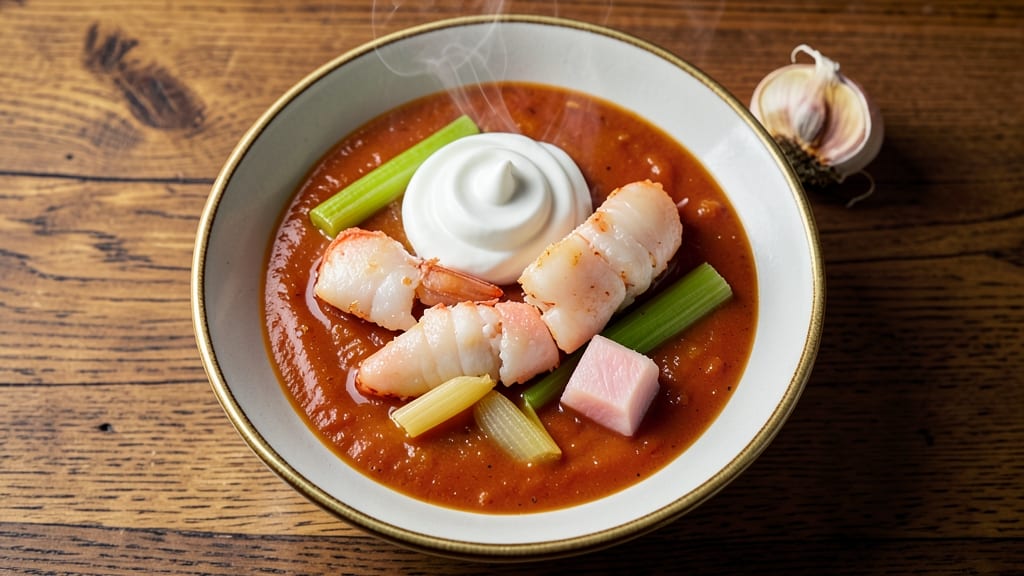
This Campbell soup lobster bisque recipe turns a humble pantry base into velvety luxury, all thanks to real lobster flesh for restaurant-worthy richness.
The secret lies in balancing Campbell's condensed tomato soup with fresh lobster, heavy cream, and aromatic vegetables—creating a velvety texture that's impossibly smooth yet rich with seafood flavor. I developed this version after realizing most bisque recipes either taste too canned or lack proper lobster presence.
The foundation starts with sautéing onions and celery until golden, then building flavor with garlic and tomato paste before adding the Campbell's soup and broth. This technique ensures the lobster meat—whether fresh, frozen, or canned—absorbs the savory base perfectly while maintaining its delicate sweetness.
The key moment comes when you stir in heavy cream, letting it reduce slightly to create that signature creamy consistency without breaking.
What you'll end up with is a bisque so luxurious it feels like a seafood restaurant experience—golden, velvety, and packed with tender lobster chunks that melt in your mouth.
The aroma alone will have everyone gathering around the table, and each spoonful delivers that perfect balance of smoky tomato depth, creamy richness, and briny lobster flavor. This is comfort food elevated to gourmet standards.
Serve immediately with a sprinkle of fresh parsley, a swirl of cream, and crispy croutons for texture contrast. The bisque reheats beautifully for leftovers, making it perfect for dinner parties or meal prep when you want to impress without hours in the kitchen.
Here's how to create it step by step—every detail matters for that professional finish.
Ingredients for campbell soup lobster bisque
Six ingredients transform Campbell's soup into restaurant-style lobster bisque with real seafood richness.
| Ingredient | Amount | Notes |
|---|---|---|
| Campbell's Condensed Tomato Soup 🍅 | 2 cans | 19 oz each, no salt added preferred |
| Fresh Lobster Meat 🦞 | 1 ½ lb | Cubed, fresh or thawed frozen |
| Heavy Cream 🥛 | 2 cups | Full-fat for ultimate creaminess |
| Yellow Onion 🧅 | 1 whole | Diced small, yellow or white |
| Celery Stalks 🥕 | 4 whole | Trimmed, diced small |
| Garlic Cloves 🧄 | 4 cloves | Minced, fresh preferred |
| Tomato Paste 🍅 | 2 tbsp | Smooth, canned preferred |
| Dry White Wine 🍷 | ½ cup | Sauvignon Blanc or Chardonnay |
| Chicken Broth 🍲 | 4 cups | Low-sodium preferred |
| Fresh Parsley 🌿 | ¼ cup | Chopped, for garnish |
| Salt 🧂 | 1 ½ tsp | Kosher or sea salt |
| Black Pepper 🌶️ | ½ tsp | Freshly ground preferred |
| Bay Leaves 🌿 | 2 whole | Fresh or dried |
| Unsalted Butter 🧈 | 2 tbsp | For sautéing vegetables |
| Lemon Juice 🍋 | 1 tbsp | Freshly squeezed |
The lobster is everything here. Fresh is ideal, but frozen thawed works fine—just pat it dry to avoid watery bisque. I grab mine from Whole Foods when I can, but the frozen cubes at Trader Joe's are a solid backup. Look for meat that's opaque and firm, not gray or slimy. The Campbell's soup? Grab the no-salt-added version—you'll control the seasoning better. For the wine, anything dry and crisp works, but Sauvignon Blanc has that bright acidity that cuts through the creaminess. Don't skip the tomato paste—it deepens the flavor without overpowering the lobster.
No lobster? Shrimp or scallops work in a pinch, but the texture won't be quite the same. Short on wine? Extra chicken broth with a splash of lemon juice gets you close. The butter matters here—unsalted so you control the saltiness. If you're using dried bay leaves, crush them slightly before adding for more flavor. For the parsley, fresh is best, but dried at half the amount works if you're in a bind. The celery can be swapped for fennel if you've got it—adds a nice anise note. And trust me on the heavy cream—half-and-half makes it lighter but less luxurious.
This bisque tastes even better the next day—make extra. Store leftovers in an airtight container for up to 4 days in the fridge, or freeze for 2 months. The cream will separate slightly when cold, so just give it a stir before reheating. For serving, I like to toast baguette slices with garlic butter for croutons—crunchy contrast makes all the difference. The bisque reheats beautifully, so it's perfect for meal prep. Just don't boil it—gentle heat on the stove is key to keeping that velvety texture.
Why You'll Love This Recipe
- Here’s what sold me: the second day is just as good. The flavors meld even better, and the cream doesn’t curdle (unlike some soups I’m looking at you, chowder). Freeze half for when you’re too tired to cook, or reheat it for a lazy weeknight—it’s the only soup I actually look forward to eating cold from the fridge.
- Pantry Meets Luxe: I swear, this dish proves you don’t need a fancy kitchen to feel fancy. That can of Campbell’s tomato soup? It’s the secret weapon—rich, smoky base that takes zero effort to open and dump. Just toss in the chopped onion and celery (five minutes max), simmer, then fold in the lobster and cream. Boom. Restaurant-worthy without the pretension.
- Creamy Luxury Shortcut: Honestly, the heavy cream and lobster combo is where this recipe actually shines. The soup handles the depth, but the cream makes it velvety—like someone took a bite of lobster bisque and whispered, “Now this is living.” And since you’re using fresh lobster, it’s the one time you can justify splurging on the good stuff without guilt.
- Game Day or Date Night: Between us, this is my go-to when I need to impress but don’t want to slave over a stove. Serve it in a bread bowl with crusty sourdough for game day, or pair it with garlic toast and a crisp white wine for a cozy night in. The tomato base keeps it approachable, while the lobster makes it feel special—no menu planning required.
Step-by-step instructions for Campbell soup lobster bisque
Here's how to transform humble canned soup into a velvety lobster bisque that tastes like a coastal restaurant specialty.
Build the Flavor Base with Sautéed Vegetables
Melt the 2 tablespoons unsalted butter in a large pot over medium heat. Add the diced 1 whole yellow onion and diced 4 whole celery stalks, cooking for 5-6 minutes until softened and translucent. You'll see the vegetables release moisture and shrink slightly—this is when they're ready for the next step.
Add the minced 4 cloves garlic and cook for 30 seconds until fragrant. Here's the thing—don't let the garlic brown or it'll turn bitter. Immediately stir in the 2 tablespoons tomato paste and cook for another 1 minute, stirring constantly. This creates a rich, caramelized foundation that deepens the bisque's flavor profile.
Deglaze and Simmer the Tomato Base
Pour in the 0.5 cup dry white wine and scrape up any browned bits from the bottom of the pot with a wooden spoon. This deglazing captures all the flavor you've built so far. Let it simmer for 2-3 minutes until the alcohol smell dissipates completely—you'll notice the liquid reduces slightly and becomes more aromatic.
Add the 2 cans Campbell's condensed tomato soup and stir until fully combined. Pour in the 4 cups chicken broth and bring the mixture to a gentle boil. Here's where patience matters: reduce heat to medium-low and let it simmer uncovered for 15 minutes. This slow cook time allows the flavors to meld together beautifully, creating a smooth base for your bisque.
Add the Lobster and Season
Gently stir in the cubed 1.5 lb fresh lobster meat and add the 2 whole bay leaves. The lobster should be fully submerged in the simmering liquid. Sprinkle with the 1.5 teaspoons salt and 0.5 teaspoon black pepper, then cover the pot and simmer for 8-10 minutes. You'll know it's done when the lobster meat is opaque and flakes easily with a fork—this means it's tender and ready to absorb all those rich flavors.
Remove the bay leaves and stir in the 2 cups heavy cream. Here's the moment that matters: keep the heat at a gentle simmer for 5-7 minutes until the bisque thickens slightly. You're looking for a velvety consistency where the soup coats the back of a spoon. If it gets too thick, you can add a splash of chicken broth to loosen it to your preferred texture.
Finish with Fresh Herbs and Brightness
Remove the pot from heat and stir in the 1 tablespoon lemon juice and chopped 0.25 cup fresh parsley. This final touch adds brightness that cuts through the richness of the cream and lobster. Taste and adjust seasoning if needed—you might want to add a pinch more salt or pepper to balance all the flavors.
Let the bisque rest for 5 minutes before serving. This brief resting period allows the flavors to fully meld together. Ladle into bowls and garnish with additional parsley if desired. Each spoonful should deliver that luxurious combination of creamy texture, sweet lobster flavor, and aromatic vegetable base that makes this bisque so special.
Pro Tips For Making Campbell Soup Lobster Bisque
- SAUTE ONIONS LOW AND SLOW: The Campbell’s tomato soup base is sweet and thick, so you don’t want to burn the onions into bitterness. Keep heat at medium-low and stir every 30 seconds—this builds flavor without turning them into caramelized ash. (Yes, I’ve learned this the hard way after tasting a bisque that tasted like a barbecue sauce disaster.)
- CHOP LOBSTER INTO UNIFORM PIECES: Big chunks stay chewy, and tiny bits disappear into mush. Aim for 1-inch cubes—this ensures every bite has texture and melts evenly into the cream. (I used to eyeball it, but my grandmother insisted on the ruler method, and she was right.)
- ADD CREAM LAST, OFF HEAT: Stirring heavy cream into a simmering pot turns it into scrambled eggs. Remove the pot from heat, let it cool for 2 minutes, then fold in the cream gently. The soup stays silky, not broken. (I know, it feels counterintuitive, but trust the process.)
- USE A SPLASH OF LOBSTER STOCK: The Campbell’s soup lacks depth, and heavy cream can make it taste flat. Replace ¼ cup water with lobster or seafood stock—it adds a briny richness that makes the dish taste restaurant-worthy. (I was skeptical until I tried it, and now I never go back.)
Serving suggestions for leftovers
Bread Pairings
This rich lobster bisque deserves a sturdy bread that can handle its creamy texture. I love serving it with garlic butter toasted baguette slices—the crispy crust contrasts beautifully with the velvety soup.
For a more substantial option, try crusty sourdough with a smear of herb-infused compound butter. The tangy acidity of the sourdough cuts through the richness, creating perfect balance. 🥖
Garnish Ideas
Fresh chopped parsley is a must for adding brightness, but don’t stop there. A drizzle of truffle oil (just ½ teaspoon) elevates the dish to gourmet level. For texture, sprinkle toasted breadcrumbs or crispy fried shallots on top—both add a satisfying crunch.
A few drops of hot sauce or tabasco on the side lets guests add heat if they desire.
Cheese Pairings
If you want to take this bisque to the next level, serve it with sharp cheddar cubes or gruyère on the side. The umami depth of these cheeses complements the lobster beautifully. I also love offering crumbled feta for a briny contrast—just 2 tablespoons per serving adds a tangy kick.
For a vegetarian option, roasted red pepper hummus on the side provides a smoky, creamy alternative.
Drink Pairings
A crisp Sauvignon Blanc or Chardonnay is perfect for cutting through the richness of the bisque. For something lighter, a dry Riesling adds a refreshing acidity. If you prefer beer, a Belgian witbier with its citrus and coriander notes pairs surprisingly well.
For a non-alcoholic option, sparkling water with lemon keeps the palate clean between spoonfuls. 🍷
Presentation Tips
Serve the bisque in pre-warmed bowls to maintain its creamy texture. Garnish with a swirl of cream and a sprinkle of paprika for a restaurant-worthy finish. For extra elegance, place a fresh lobster claw shell on the side as a decorative touch.
If serving at a party, use a chafing dish to keep the bisque warm and inviting throughout the evening.
Leftovers Reinvented
Turn tomorrow’s bisque into today’s lobster bisque gratin by topping it with breadcrumbs and gruyère cheese, then broiling until golden. For a quick lunch, serve it over buttered egg noodles with a side of arugula salad.
The flavors only get better as they meld together, making this bisque perfect for meal prep. 💡
Nutrition facts
Frequently asked questions
Can I substitute lobster with another seafood in this recipe?
Yes! Shrimp or scallops work well as alternatives, though the texture will differ slightly. Use 1 lb shrimp (peeled and deveined) or 12 oz scallops instead of lobster. For best results, add them during the final 5 minutes of simmering to prevent overcooking. The bisque will still be creamy and flavorful, just with a different seafood profile.
How do I make this bisque without wine?
No problem! Replace the 0.5 cup dry white wine with an extra 0.5 cup chicken broth plus 1 tablespoon lemon juice. This keeps the acidity balanced while maintaining the same rich flavor. The bisque will still develop depth from the tomato and cream base—just slightly less complexity from the wine's alcohol reduction.
Why did my bisque turn out too thin?
This usually happens if you didn't simmer the cream long enough or added too much liquid. To fix it, remove the pot from heat and whisk in 1 tablespoon cornstarch mixed with 2 tablespoons cold water. Simmer for 1-2 minutes until thickened. For prevention, always simmer the cream for the full 5-7 minutes and taste before adding extra broth.
Can I make this bisque in a slow cooker?
Follow the same steps for sautéing vegetables, then transfer everything to your slow cooker. Cook on low heat for 3-4 hours instead of simmering on the stove. The lobster will stay tender, and the cream will blend beautifully. Just stir in the parsley and lemon juice at the end. The slow cooker method is perfect for hands-off prep when hosting guests.
What's the best way to reheat leftovers?
Reheat gently on the stove over low heat—never microwave directly. Stir occasionally and add a splash of cream or broth if it thickens too much. For best texture, reheat until just warm (around 160°F2-3 minutes before serving. The bisque reheats beautifully, making it ideal for meal prep.