
Soups & Stews
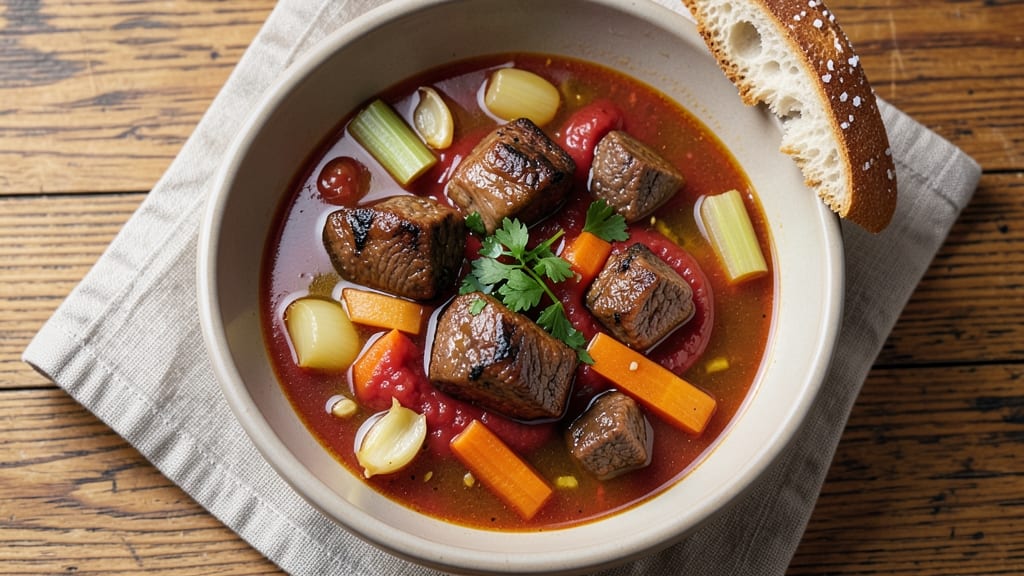
Betty Crocker’s vegetable beef soup recipe brings back that nostalgic, hearty flavor we all love—rich, comforting, and packed with pantry-friendly ingredients that deliver restaurant-quality results in one pot.
Growing up in a Boston triple-decker, I remember my Nonna’s version simmering all day, filling the house with that deep, savory aroma that made every bite feel like home. This recipe captures that same warmth, using simple techniques to build layers of umami without requiring specialty ingredients.
The secret lies in sautéing vegetables until caramelized before adding the beef and broth, which unlocks their natural sweetness and deepens the flavor. Unlike many modern shortcuts, this method ensures every spoonful is packed with bold, satisfying taste—no watery broth here.
The beef cooks low and slow, turning tough cuts into tender, melt-in-your-mouth pieces that soak up the surrounding vegetables and herbs. It’s the kind of soup that tastes even better the next day, making it perfect for meal prep or feeding a crowd.
By the time you’re done, you’ll have a hearty, golden-brown soup with chunks of tender beef, soft carrots, and celery that’s been kissed by the caramelized onions.
The broth is thick and flavorful, not thin or bland, and the herbs add just the right amount of brightness to balance the richness. This isn’t just soup—it’s a one-pot meal that brings comfort to any table, whether it’s a quick weeknight dinner or a cozy gathering with family.
Best of all, this recipe is forgiving and flexible—use whatever vegetables you have on hand, swap in different cuts of beef, or even make it vegetarian by omitting the meat.
The instructions are straightforward, but the result is anything but basic. Let’s get cooking—your kitchen will thank you for the aroma alone.
Ingredients for betty crocker vegetable beef soup
Pantry staples and a few fresh veggies—this nostalgic soup delivers restaurant-quality flavor in one pot.
| Ingredient | Amount | Notes |
|---|---|---|
| Chuck Roast 🥩 | 2 lb | Cut into 1-inch cubes |
| Yellow Onions 🧅 | 2 whole | Medium-sized, thinly sliced |
| Carrots 🥕 | 4 whole | Medium-sized, peeled and sliced |
| Celery Stalks 🧆 | 4 whole | Trimmed, cut into 1-inch pieces |
| Garlic Cloves 🧄 | 4 cloves | Peeled, minced |
| Tomato Paste 🍅 | 2 tbsp | Smooth, not chunky |
| Beef Broth 💧 | 6 cups | Low-sodium preferred |
| All-Purpose Flour 🌾 | 1 tbsp | For thickening |
| Worcestershire Sauce 🍯 | 1 tbsp | Full-strength preferred |
| Bay Leaves 🍃 | 2 whole | Fresh if possible |
| Dried Thyme 🌿 | 1 tsp | Or 1 tbsp fresh |
| Salt 🧂 | 1 ½ tsp | Diamond Crystal preferred |
| Black Pepper 🌶️ | ½ tsp | Freshly ground |
| Extra-Virgin Olive Oil 🫒 | 2 tbsp | For caramelizing |
The beef is non-negotiable here. Chuck roast breaks down beautifully, but if you only have sirloin, cut it into smaller cubes—it’ll still work. I grab mine from Costco when I’m prepping for the week, but any grocery store’s butcher section will have it. Look for good marbling—it’s what keeps the meat tender. The onions, carrots, and celery are your flavor base, so don’t skimp. Trader Joe’s has pre-sliced veggie mixes that save time, but fresh is always better if you’ve got it. The garlic? Freshly minced makes all the difference—jarred just won’t cut it.
No beef broth? Chicken broth with a splash of soy sauce works in a pinch. Worcestershire sauce is key for that deep umami kick—if you’re avoiding it, extra soy sauce or a dash of fish sauce helps. The tomato paste can be the squeeze-tube kind from Trader Joe’s if that’s what you’ve got, but regular canned works too. For the herbs, fresh thyme is ideal, but dried at one-third the amount gets you close. The flour is just for thickening—don’t worry about measuring it precisely here.
This soup tastes even better the next day once all the flavors meld. Keeps for 5 days in the fridge, freezes for 3 months. I always make a double batch—one for dinner, one for lunches. The broth thickens as it sits, so add a splash of water or broth if it gets too thick when reheating. Store in airtight containers with a lid slightly loose to prevent splatter—trust me, you’ll thank me later.
Why You'll Love This Recipe
- Chop Once, Done: I swear by the "softee" onion and celery mix—just dump it in. No dice, no tears, no fuss. The chuck roast practically melts in, so tender you’ll forget you didn’t slow-cook it for hours.
- Garlic-Glazed Magic: That slow-simmered garlic? It caramelizes just enough to coat every bite with a sweet, savory punch. Honestly, the first time I tasted it, I nearly burned my tongue from leaning over the pot too fast.
- Lunchbox Hero: Between us, this soup is my go-to for meal prep. The carrots stay bright, the beef shreds easily, and it reheats like a dream—no sad, mushy leftovers here. Pack it in thermoses or jars; your coworkers will think you’re a saint.
- Pantry Staple: A chuck roast on sale? This recipe turns it into five meals. I’ll be real: my freezer’s always stocked with it, and the veggies stretch so far that even my picky teenager asks for seconds. Budget-friendly and foolproof? Yes, please.
Step-by-step instructions for betty Crocker vegetable beef soup
This one-pot wonder transforms humble pantry staples into restaurant-quality depth with minimal effort.
Build Rich Flavor with the Sear
Heat a large Dutch oven over medium-high heat and add the 2 tablespoons extra-virgin olive oil. Once shimmering, add the 2 lb chuck roast cut into 1-inch cubes and sear undisturbed for 4-5 minutes until deep golden brown on all sides. This caramelization forms the flavor foundation—don't rush it.
Remove the beef and set aside. In the same pot, add the 2 whole yellow onions sliced, 4 whole carrots sliced, and 4 whole celery stalks chopped. Cook for 8-10 minutes until the vegetables soften and release their juices, stirring occasionally. You'll smell that sweet, savory aroma developing—this is where the magic begins.
Develop Depth with Aromatics and Tomato
Add the 4 cloves minced garlic and cook for 30 seconds until fragrant. Stir in the 2 tablespoons tomato paste and cook for another 2 minutes until it darkens slightly. This step intensifies the umami—don't let it burn or it'll turn bitter.
Pour in the 6 cups beef broth and scrape up all those flavorful browned bits from the bottom of the pot. Add the 2 whole bay leaves, 1 teaspoon dried thyme, 1.5 teaspoons salt, and 0.5 teaspoon black pepper. Bring to a gentle boil, then return the beef to the pot. Reduce heat to low and let it simmer uncovered for 1 hour 15 minutes.
Thicken and Finish with Worcestershire
After the initial simmer, the beef should be fork-tender. Sprinkle the 1 tablespoon all-purpose flour over the soup and stir gently to combine. Let it cook for 5 minutes to allow the flour to bloom and thicken the broth naturally. This creates that perfect, velvety texture without overpowering the flavors.
Stir in the 1 tablespoon Worcestershire sauce and taste. Adjust seasoning if needed—this is where you can really customize it to your preference. The soup should be rich but balanced, with the vegetables tender and the beef falling apart easily. If you prefer it thicker, simmer uncovered for another 10 minutes to reduce further.
Rest and Serve with Confidence
Remove the bay leaves and let the soup rest for 10 minutes off the heat. This resting period allows the flavors to meld completely and the soup to thicken slightly as it cools. The difference is subtle but noticeable—it's the mark of a truly well-made soup.
Ladle into bowls and serve immediately with crusty bread or over buttered egg noodles. Each spoonful should deliver tender beef, sweet vegetables, and that deep umami punch from the slow-cooked broth. The beauty of this recipe is its flexibility—it tastes just as good reheated the next day, making it perfect for meal prep.
Pro Tips For Making Betty Crocker Vegetable Beef Soup
- SEAR THE ROAST FIRST: Skip the slow start—pat that chuck roast bone-dry with paper towels, then hit it with a hot pan (no oil needed yet). Five minutes per side until it’s deep brown, not just pink; that crust locks in flavor and keeps the meat from turning to mush later. I used to rush this, and the soup always tasted like it needed more salt afterward.
- CHOP VEGETABLES UNIFORM: Carrots and celery don’t need to be fancy, but match their sizes—aim for ½-inch chunks. Onions? Quarter them, leaving the skin on for easier handling. Uneven pieces mean some veggies turn to mush while others stay crunchy. (Yes, even if you’re impatient like me.)
- LOW AND SLOW WINS: After browning the meat, dump everything in the pot and add just enough broth to barely cover the ingredients. Bring to a gentle simmer, then turn the heat down so low you can’t even feel it. Three hours minimum—no rushing. I learned this the hard way when my first batch tasted like it was made in a microwave.
- SALT THE BROTH LATE: Hold off on adding salt until the very end of cooking. The carrots and celery release starches that dilute the flavor early on, so you’ll need to adjust seasoning twice—once midway, then again at the finish. Trust me, your soup will thank you.
Wine and beer pairings for this recipe
Classic Red Wine
This hearty soup pairs beautifully with a medium-bodied Cabernet Sauvignon from Napa Valley—its dark fruit notes and subtle oak complement the beef’s richness without overpowering. I reach for Louis M. Martini Cabernet Sauvignon from my local Trader Joe’s because it’s reliable and won’t break the bank.
The acidity cuts through the soup’s richness, while the tannins balance the umami depth. Serve slightly chilled to let the wine’s structure shine through the warm broth. 🍷
Crisp White Wine
For a lighter touch, try a Chardonnay with noticeable acidity and a hint of vanilla from oak aging. La Crema Sonoma Coast Chardonnay is my go-to—it’s rich enough to handle the beef but bright enough to refresh your palate.
The citrus notes in the wine mirror the caramelized onions in the soup, creating a harmonious balance. Avoid overly buttery Chardonnays, as they’ll clash with the soup’s savory profile.
Craft Beer Pairings
A dark amber ale with malt sweetness and a touch of roastiness works wonders here. I love Allagash Dark Ale—its caramel and chocolate notes echo the caramelized vegetables, while the slight bitterness from hops cleanses your palate.
For a lighter option, a Belgian-style witbier like Stella Artois brings citrusy brightness that contrasts beautifully with the soup’s depth. 🍺
Cider Option
Don’t overlook dry hard cider—it’s the perfect match for this soup’s rustic charm. Angry Orchard Dry Cider has a crisp apple acidity that cuts through the richness, while its subtle spice notes complement the thyme and Worcestershire sauce.
Serve it slightly chilled to enhance its refreshing qualities. This pairing is especially great if you’re serving the soup at a casual gathering where beer might feel too heavy.
Non-Alcoholic Match
For those skipping alcohol, sparkling apple cider or a ginger beer like Feather’s Ginger Beer works surprisingly well. The effervescence cleanses your palate between bites, while the ginger’s warmth enhances the soup’s savory notes.
I also like San Pellegrino Aranciata—its bitter orange flavor adds a bright contrast to the beefy richness. 💛
Pro Tip for Pairing
Let your wine or beer breathe slightly before serving—about 10-15 minutes at room temperature. This allows the flavors to open up and harmonize better with the soup’s deep, slow-cooked profile.
And remember, the best pairing is the one you enjoy most! If you’re unsure, stick with the Cabernet Sauvignon—it’s a foolproof choice for this classic recipe. ✨
Nutrition facts
Frequently asked questions
Can I use ground beef instead of chuck roast?
Yes, but expect a different texture. Ground beef will cook faster and won't have the same tender, melt-in-your-mouth quality. If you use it, brown it well first and reduce the cooking time to 45-60 minutes to avoid drying out. The flavor will still be rich, but the mouthfeel will be more like chili than classic beef soup.
Why does my soup taste watery even after simmering?
This usually happens when the broth isn't reduced enough or the vegetables release too much liquid. Try simmering uncovered for 10-15 extra minutes to evaporate excess moisture. For next time, use 1/4 cup less broth or add the flour thickening step earlier. The key is patience—let it reduce naturally rather than rushing it.
What vegetables can I substitute if I don't have carrots or celery?
This soup is incredibly flexible! Swap carrots for sweet potatoes or parsnips (add them later to avoid overcooking), and celery can be replaced with bell peppers or zucchini. For extra umami, add mushrooms or tomatoes. Just adjust cooking times—harder vegetables need more time, while softer ones should go in later.
Can I make this soup in an Instant Pot or slow cooker?
For the Instant Pot: Sauté the beef and veggies first, then add broth and cook on high pressure for 30 minutes. For slow cooker: Combine everything (except Worcestershire) and cook on low for 7-8 hours or high for 4-5 hours. Add Worcestershire at the end to preserve its flavor. The textures will differ slightly, but the taste will be just as comforting.
How do I make this vegetarian?
Replace the beef with 1 lb mushrooms or 2 cans white beans (drained). Use vegetable broth instead of beef broth and add 1 teaspoon soy sauce for depth. Keep all other ingredients the same. The soup will still be hearty and flavorful—just check seasoning carefully since plant-based proteins absorb flavors differently.