
Soups & Stews
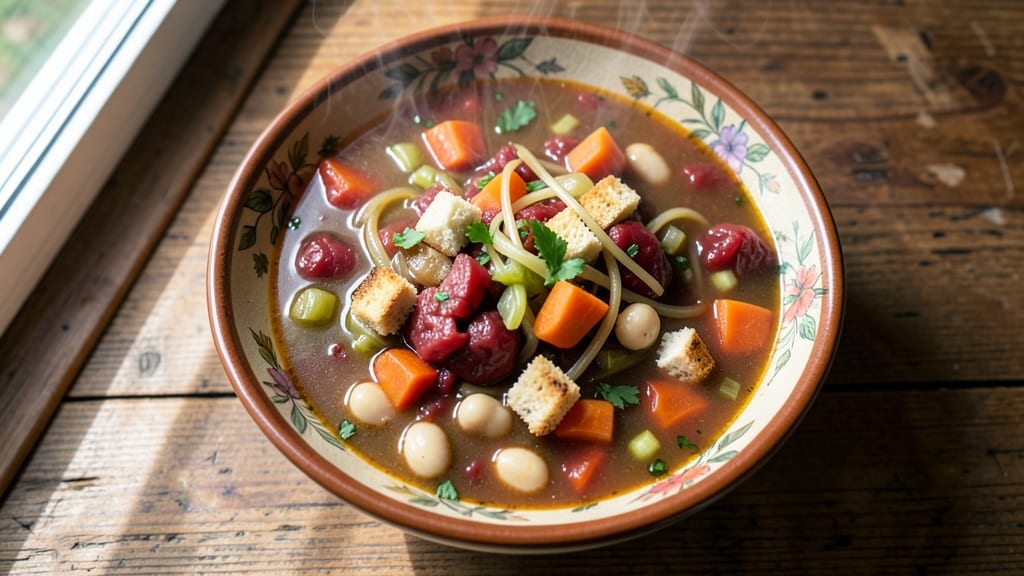
Alton Brown’s minestrone soup recipe transforms humble vegetables into a hearty, herb-infused masterpiece that’s as comforting as it is elegant. This isn’t your grandmother’s canned-bean soup—it’s a carefully layered symphony of flavors where each ingredient earns its place.
The secret lies in slow-cooked aromatics, perfectly balanced broth, and a touch of umami that elevates simple ingredients into something extraordinary.
What sets this recipe apart is Alton’s signature technique of building depth through sautéed vegetables and herbs before adding liquid. The result? A soup that’s rich without being heavy, with tender beans, al dente pasta, and vibrant vegetables in every spoonful.
It’s vegetarian by design but flexible enough to accommodate optional Parmesan for those who crave a touch of dairy.
By the time you’re done, you’ll have a bowl of soup that’s warm, satisfying, and packed with texture—crisp edges on roasted vegetables, creamy beans, and chewy pasta. The aroma alone will fill your kitchen with the promise of a meal that’s both nourishing and refined.
This is the kind of recipe that proves homemade can rival restaurant quality.
Whether you’re serving a family dinner or meal prepping for the week, this minestrone delivers restaurant-worthy results with minimal effort. The best part? It’s easy to adapt—swap in seasonal vegetables or use vegetable broth for a lighter version. Let’s get cooking!
Ingredients for alton brown minestrone soup
Transform humble vegetables into a symphony of flavors with these carefully selected ingredients.
| Ingredient | Amount | Notes |
|---|---|---|
| Extra-Virgin Olive Oil 🫒 | ½ cup | High-quality, fruity variety for sautéing |
| Yellow Onion 🧅 | 1 whole | Medium-sized, diced finely for aromatic base |
| Carrots 🥕 | 1 ½ lb | Medium-sized, cut into 1/2-inch chunks |
| Celery Stalks 🥬 | 3 whole | Medium, diced finely for classic mirepoix |
| Garlic Cloves 🧄 | 4 cloves | Fresh, minced for deep aromatic flavor |
| Canned Crushed Tomatoes 🍅 | 28 oz | High-quality, no salt added preferred |
| Vegetable Broth 💧 | 6 cups | Low-sodium, homemade or high-quality store-bought |
| Dried Cannellini Beans 🌾 | 1 ½ cups | Rinsed, soaked overnight for creamy texture |
| Ditalini Pasta 🍝 | ½ lb | Al dente texture, cooked separately |
| Fresh Rosemary 🌿 | ¼ cup | Finely chopped, for aromatic depth |
| Fresh Thyme 🌿 | ¼ cup | Leaves only, for earthy complexity |
| Fresh Basil 🌿 | ¼ cup | Chopped, added at the end for brightness |
| Parmesan Cheese 🧀 | ½ cup | Freshly grated, optional for serving |
| Diamond Crystal Kosher Salt 🧂 | 1 ½ tsp | Adjust to taste throughout cooking |
| Freshly Ground Black Pepper 🌶️ | ½ tsp | Cracked over finished soup |
The foundation begins with extra-virgin olive oil—look for California or Italian varieties at specialty stores like Whole Foods or Trader Joe's for optimal flavor. Yellow onions and carrots should be firm and vibrant, avoiding any with soft spots. For the celery, organic stalks from the outer rings of the bunch yield the freshest flavor. Garlic cloves should be plump and free of sprouts—Costco often sells them in bulk at great prices. Canned crushed tomatoes? Mutti or San Marzano brands elevate the dish with their superior taste compared to generic store options.
No fresh rosemary? Dried works at one-third the amount, though fresh delivers superior aroma. Vegetable broth can be homemade (simmer onion skins, celery, and carrot tops) or use Pacific Foods or Imagine brands for low-sodium options. Cannellini beans must be soaked overnight—this ensures perfect texture. For pasta, De Cecco or Barilla brands cook evenly without mushiness. Parmesan cheese should be Parmigiano-Reggiano—pre-grated contains anti-caking agents that alter flavor. Fresh herbs should be bright green with no wilting.
Store dried beans in an airtight container for up to 12 months, while fresh herbs last 5-7 days wrapped in damp paper towels. Pasta keeps 3 months in the pantry, and vegetable broth freezes beautifully for 6 months. This soup develops deeper flavor overnight—reheat gently with a splash of broth to restore moisture. For meal prep, portion into containers with a sprinkle of Parmesan on top to maintain freshness for 4-5 days in the fridge.
Why You'll Love This Recipe
- Sauté-First Simplicity: I swear by the "sweat the veggies" method here—the onions, carrots, and celery get tender in the olive oil while I chop the garlic, no stirring required. That golden base builds flavor hands-off, and honestly? It’s the kind of recipe where you can actually have a conversation while cooking.
- Garlic-Goat Cheese Magic: The moment I add that minced garlic to the olive oil? Instant aroma upgrade. Then the crumbled goat cheese at the end—it melts into the broth like a hug, adding a tangy richness that makes this soup dangerously addictive. (Yes, even on a Tuesday night.)
- Lunch-to-Dinner Workhorse: This soup is my secret weapon for busy days: toss together a big batch for lunch, then reheat for dinner with fresh crusty bread. Between us, I’ve served it at potlucks, game days, and even as a "fancy" first course—no one ever questions why it’s on the menu.
- Budget-Friendly Pantry Staples: Carrots, celery, onions—these are the ingredients that never disappoint. The olive oil and garlic elevate them, but the base costs pennies. Plus, leftovers taste just as good the next day (if they last that long). My wallet and my freezer both thank me.
Step-by-step instructions for Alton Brown's minestrone soup
This method delivers a rich, herb-infused vegetable soup with perfect texture balance every time.
Sauté the Vegetable Base
Heat the 0.5 cup extra-virgin olive oil in a large Dutch oven over medium heat until shimmering. Add the 1 whole yellow onion, 1.5 lb carrots cut into ½-inch chunks, and 3 whole celery stalks diced finely. Cook for 8-10 minutes until the vegetables soften and release their natural juices, stirring occasionally to prevent browning.
The key here is patience—you want these vegetables to develop a sweet, caramelized depth without burning. You'll know it's ready when the onions become translucent and the carrots begin to soften at the edges. This foundational step builds the soup's complex flavor profile.
Add the 4 cloves minced garlic and cook for an additional 30 seconds until fragrant. This brief cooking time prevents the garlic from burning, which would impart a bitter taste to your soup. Immediately add the 0.25 cup chopped fresh rosemary and 0.25 cup fresh thyme leaves, stirring to combine with the vegetables.
Build the Tomato and Bean Foundation
Pour in the 28 oz canned crushed tomatoes and stir to distribute evenly throughout the vegetable mixture. Let this cook for 5 minutes to allow the tomatoes to break down slightly and meld with the vegetables. This step develops the soup's rich, tangy tomato base.
Add the 1.5 cups rinsed dried cannellini beans and 6 cups vegetable broth to the pot. Bring the mixture to a gentle boil, then reduce heat to medium-low and simmer uncovered for 45 minutes. This cooking time ensures the beans soften completely while maintaining their shape and texture.
After 45 minutes, taste the soup and adjust seasoning with the 1.5 tsp diamond crystal kosher salt and 0.5 tsp freshly ground black pepper. The soup should be seasoned but not overly salty—you can always add more salt later if needed. The beans should be tender but still hold their shape when pierced with a fork.
Finish with Pasta and Fresh Herbs
While the soup simmers, cook the 0.5 lb ditalini pasta in a separate pot of salted boiling water until al dente according to package instructions. Drain and set aside, reserving ½ cup of pasta water. This step ensures the pasta maintains its perfect texture when added to the soup.
Add the cooked ditalini to the soup and stir gently to distribute evenly. The pasta will absorb some of the soup's liquid, so if the soup becomes too thick, add reserved pasta water 1 tablespoon at a time until you reach your desired consistency. Return the soup to a gentle simmer for an additional 5 minutes to allow the flavors to meld completely.
Remove the soup from heat and stir in the 0.25 cup chopped fresh basil. The basil adds a bright, fresh finish that balances the soup's rich, savory flavors. Ladle the soup into bowls and serve immediately, garnished with freshly grated 0.5 cup parmesan cheese if desired. The soup should be hearty yet light, with each spoonful delivering a perfect balance of vegetables, herbs, and pasta.
Pro Tips For Making Alton Brown Minestrone Soup
- Sweat, Don’t Burn: Alton’s minestrone starts with the soffritto—onion, celery, carrots—and if you rush this step, you’ll end up with bitter, browned bits instead of sweet, aromatic flavor. Cook them over medium-low heat with a splash of water (yes, really) until the veggies are soft and the onion is translucent, not golden. I used to crank the heat and wondered why my soup tasted like a sad campfire.
- Dice Garlic Like a Pro: Whole garlic cloves in minestrone? Nope. For Alton’s recipe, mince those cloves finely—think 1mm pieces, not 5mm chunks. If you’re lazy (I know, I know), smash them with the flat side of your knife first, then slice. The goal is even distribution so every spoonful gets that garlicky depth without overpowering the broth.
- Skip the Crowding: When sautéing the soffritto, resist the urge to dump all the veggies in at once. Cook them in batches if your pan’s too crowded—they’ll steam instead of brown, and you’ll end up with mushy, dull flavors. A hot pan and a little patience let the onions caramelize just enough to build real flavor. Trust me, your spoon will thank you.
- Reserve That Broth: Alton’s recipe calls for broth, but if you’re using store-bought, don’t pour the whole carton in at once. Taste it first—many brands are saltier than they claim. Start with 3 cups, then add more as needed. I learned this the hard way after serving a bowl that tasted like a salty regret. Adjust as you go.
Troubleshooting your alton brown minestrone soup
Mushy Vegetables
If your carrots, celery, or onions turn mushy instead of tender, you likely simmered the soup too long or didn’t sauté the vegetables long enough first. Always cook the mirepoix (onion, carrot, celery) for 8-10 minutes over medium heat until softened but still holding shape.
For extra insurance, remove the pot from heat for 2-3 minutes before adding liquid. This pause prevents overcooking when the broth is added. 🥕
Beans Too Firm
Undercooked cannellini beans are a common issue, especially if you skipped the overnight soak. Soak beans for at least 8 hours (or quick-soak in boiling water for 2 minutes, then let sit for 1 hour).
If beans still feel hard after 45 minutes of simmering, add ½ cup hot broth and cook another 15 minutes. Avoid covering the pot—steam builds up and makes beans tough. 🌾
Broth Too Watery
If your soup ends up thin and diluted, reduce the broth by 1 cup before adding beans. For a thicker texture, simmer uncovered for 10-15 minutes longer to evaporate excess liquid.
If it’s still too thin, stir in 1 tablespoon cornstarch mixed with 2 tablespoons cold water and simmer for 2 minutes. Never thicken with extra pasta—it’ll turn mushy. 💧
Pasta Overcooked
Adding al dente pasta directly to simmering soup cooks it further, turning it into a sad, mushy mess. Always cook pasta separately until 1 minute before package instructions (e.g., if it says 8 minutes, cook for 7 minutes).
Reserve ½ cup pasta water to thin the soup if needed—this keeps the texture perfect. 🍝
Flat or Bland Flavor
Skip the salt at the end if your soup tastes bland—it’s likely underseasoned. Instead, boost flavor by adding 1 teaspoon balsamic vinegar or ½ teaspoon smoked paprika during the last 5 minutes of cooking.
Fresh herbs (like basil) should be added at the end, not during simmering, to preserve their bright flavor. For extra depth, stir in 1 tablespoon miso paste with the tomatoes. 🌿
Herbs Too Bitter
Overcooked herbs lose their delicate flavors and turn bitter. Add fresh rosemary and thyme with the garlic (after 8 minutes of sautéing) and remove them before adding tomatoes.
Basil should only be stirred in at the very end—never simmer it. If using dried herbs, reduce amounts by ⅓ and add them with the broth. 💡
Nutrition facts
Frequently asked questions
Can I make this minestrone soup without soaking the beans overnight?
Yes, but it requires a quick-soak method. First, rinse the 1.5 cups dried cannellini beans, then boil them for 2 minutes. Remove from heat, cover with hot water, and let sit for 1 hour. This mimics the overnight soak. If short on time, use 2 cans of drained canned beans instead—they’re pre-cooked and save 45 minutes of simmering.
What’s the best pasta shape for this recipe?
Alton Brown recommends ditalini (tiny tubes) because it holds up well in soups and adds a fun texture. Other great options include penne, farfalle, or small shells. Avoid long pasta like spaghetti—it breaks easily and makes the soup messy. Cook pasta 1 minute less than package instructions to prevent overcooking in the soup.
How can I make this soup vegan?
Skip the Parmesan and use nutritional yeast (1 tablespoon) for a cheesy flavor. Ensure your broth is 100% vegetable-based (no chicken or beef base) and check canned tomatoes for hidden additives. For extra richness, stir in 1 tablespoon white miso paste with the tomatoes. The soup remains hearty and flavorful without dairy.
Why does Alton Brown’s version taste different from traditional minestrone?
This recipe emphasizes herb-forward flavor development by sautéing vegetables longer and adding fresh herbs at specific stages. Traditional minestrone often includes meat (like sausage) and relies more on canned tomatoes and broth. Alton’s method builds depth through caramelized aromatics and layered herbs, creating a brighter, more aromatic profile.
Can I prep this soup ahead of time?
Make the soup up to 2 days ahead and store it in an airtight container. Reheat gently on the stove with a splash of broth to restore moisture. For best texture, add fresh basil and Parmesan just before serving. If making ahead, hold off on adding pasta until reheating—cook it fresh to maintain al dente perfection.