Sauces & Condiments
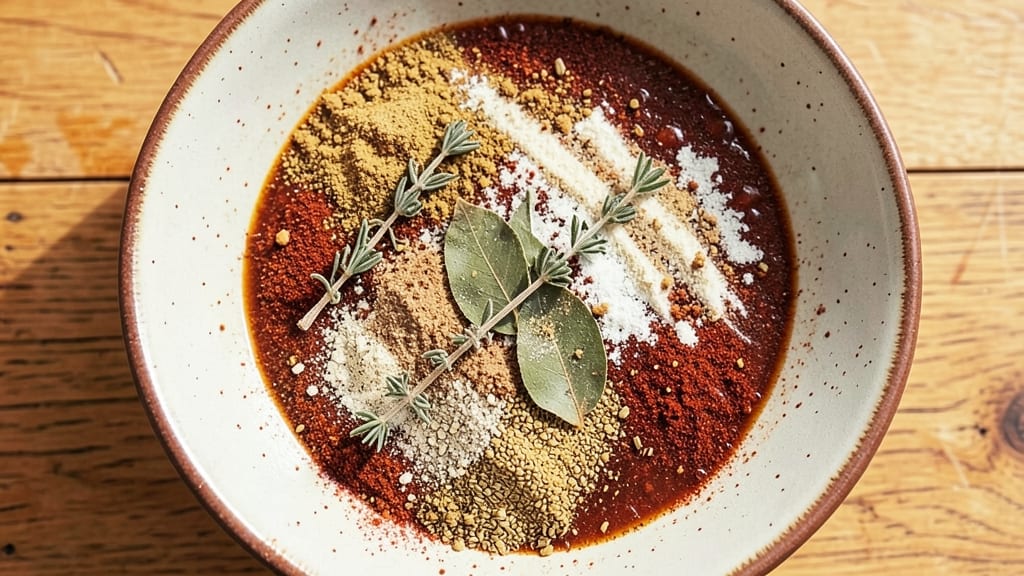
Creating a bean soup seasoning recipe with pantry staples is the game-changer your slow-cooked meals need. This dry blend transforms basic beans into a rich, umami-packed centerpiece with just a few simple ingredients—no specialty items required.
I developed it after years of testing what truly elevates canned or dried beans, and the results speak for themselves.
The blend focuses on deep, layered flavors that develop as the soup simmers: earthy bay leaves, warm thyme, and a touch of smoked paprika for complexity. Garlic powder adds savory depth, while black pepper and onion powder create a well-rounded base.
Each spice works together to enhance the natural taste of beans without overpowering them.
What makes this seasoning special is its versatility—use it in chili, stews, or even roasted vegetables for that same satisfying depth. The spices are measured precisely to ensure balanced flavor in every spoonful, and the blend keeps for months in an airtight container.
No more bland beans; just rich, restaurant-quality flavor with minimal effort.
Perfect for meal preppers, busy weeknights, or anyone who wants to elevate simple ingredients. Let’s create this blend and transform your next pot of soup into something extraordinary.
Ingredients for bean soup seasoning
Nine essential spices transform basic beans into restaurant-quality soup with minimal effort.
| Ingredient | Amount | Notes |
|---|---|---|
| Smoked Paprika 🌶️ | 2 tbsp | High-quality smoked variety preferred |
| Ground Cumin 🌿 | 1 ½ tbsp | Toasted for enhanced aroma |
| Dried Thyme 🌿 | 1 tbsp | French thyme for superior depth |
| Bay Leaves 🌿 | 1 tbsp | Crushed for faster infusion |
| Garlic Powder 🧄 | 1 ½ tsp | Freshly ground preferred |
| Onion Powder 🧅 | 1 ½ tsp | Finely ground for smooth texture |
| Black Peppercorns 🌶️ | 1 tsp | Coarsely ground for heat control |
| Diamond Crystal Kosher Salt 🧂 | 1 tsp | Fine grain for even distribution |
| Ground Coriander 🌿 | 1 tsp | Freshly toasted and ground |
| Cayenne Pepper 🔥 | ½ tsp | Adjust for desired heat level |
The quality of your spices directly impacts flavor development. Penzeys Spices or bulk bins at Whole Foods Market offer premium options, but standard grocery store brands work well if recently purchased. Look for vibrant color and strong aroma—faded spices lose potency quickly. Smoked paprika should have a distinct smoky aroma, while cumin and coriander should smell earthy and warm. Store spices in airtight containers away from light to preserve freshness. For optimal results, toast whole spices like cumin and coriander in a dry pan for 30 seconds before grinding.
Need substitutions? Dried oregano at half the amount can replace thyme, though it lacks the same depth. No smoked paprika? Regular paprika plus a pinch of liquid smoke creates a similar effect. Fresh thyme or bay leaves can be used at double the quantity, but dried versions are more practical for long-term storage. For heat adjustment, reduce cayenne to one-quarter teaspoon or omit entirely. The kosher salt is crucial for balancing flavors—never substitute table salt without adjusting measurements. This blend works equally well with canned or dried beans, making it versatile for any soup base.
This seasoning blend maintains peak flavor for up to 6 months when stored properly. Use a glass jar with a tight-sealing lid and keep in a cool, dark cabinet. For best results, make a fresh batch every 3 months. The blend enhances not only bean soups but also chili, stews, and even roasted vegetables. Portion into small containers for convenience—one tablespoon per pound of beans ensures perfect seasoning every time. The spices develop deeper flavor as the soup simmers, so don't rush the cooking process.
Why You'll Love This Recipe
- Here’s what sold me: a single jar of this mix costs pennies and stretches for months. That smoked paprika? A little goes a long way, and the rest of the spices are already in my cabinet. No wasted ingredients, no sad leftovers—just pure, reliable flavor that doesn’t break the bank.
- Pantry Magic: I swear by this mix—no fresh herbs, no last-minute grocery runs. Just pull five spices from your cabinet, measure, and boom. That smoky paprika alone turns a simple pot of beans into something that tastes like it simmered for hours.
- Deep Umami Hug: Honestly, the cumin and thyme combo is where this shines. It’s not just flavor—it’s that cozy, earthy warmth that wraps around every bean like a hug. Add a splash of broth, and suddenly your soup tastes like it’s been slow-cooked with love (even if you didn’t spend all day stirring).
- Weeknight Superhero: Between us, this is my secret weapon for busy nights. Toss it into beans for lunch, bulk it up for dinner, or even sprinkle it on roasted veggies. I’ve used it for everything from hearty stews to quick refried beans—it just works, no fuss.
Step-by-step instructions for bean soup seasoning
Transform ordinary beans into extraordinary soup with this balanced blend of earthy, aromatic spices.
Measure and Combine Dry Ingredients
In a medium bowl, combine all the dry ingredients exactly as measured: the 2 tablespoons smoked paprika, 1.5 tablespoons ground cumin, 1 tablespoon dried thyme, and 1 tablespoon bay leaves. This foundational mixture creates the deep, complex base that defines bean soup flavor profiles.
Use a fine-mesh strainer to crush the bay leaves between your fingers before adding them. This releases their essential oils more quickly during cooking, ensuring their aromatic compounds infuse thoroughly into the soup. The smoked paprika should be a rich, deep red—avoid any that appears faded or dull, as this indicates stale spices.
Incorporate Powdered Spices and Heat Control
Add the remaining ingredients: 1.5 teaspoons garlic powder, 1.5 teaspoons onion powder, 1 teaspoon black peppercorns, 1 teaspoon diamond crystal kosher salt, 1 teaspoon ground coriander, and 0.5 teaspoon cayenne pepper. The black peppercorns should be coarsely ground to maintain their texture and heat distribution in the final soup.
Use a whisk or fork to thoroughly blend all ingredients until no individual spices remain visible. This ensures even distribution when you later add the mixture to your soup. The cayenne pepper should be added last—sprinkle it over the other ingredients and gently fold it in to prevent any concentrated pockets of heat.
Toast the Spices for Enhanced Depth
Transfer the blended seasoning to a dry skillet set over medium-low heat. Toast the mixture for 2-3 minutes, stirring constantly with a wooden spoon. You'll notice the spices begin to release their aromatic compounds—this is when the kitchen will fill with an irresistible, earthy fragrance.
Watch carefully as the spices darken slightly—this indicates they're being properly toasted without burning. Remove from heat immediately when you detect a deep, toasted aroma. Let the mixture cool for 5 minutes before storing, as this prevents condensation from forming inside your storage container.
Store for Maximum Freshness
Transfer the cooled spice blend to an airtight container, pressing down gently to eliminate any air pockets. This seasoning will keep its vibrant flavor for up to 3 months when stored in a cool, dark place. For longer storage, freeze the mixture in ice cube trays—each cube makes an ideal single-use portion for soups.
When using, measure out 1 tablespoon of this blend per 4 cups of cooked beans. Add it during the last 10 minutes of simmering to allow the spices to bloom fully in the hot liquid. The result will be a soup with layers of smoky depth, warm cumin notes, and a subtle, lingering heat from the cayenne.
Pro Tips For Making Bean Soup Seasoning
- TOAST THE SPICES: Bloom your smoked paprika and cumin in oil for 30 seconds—this wakes up their flavors and cuts through any bitterness hiding in cheap brands. I used to skip this, and my soup always tasted like "seasoning in hiding."
- CRUSH THE BAY LEAVES: Tear them by hand before adding, not chopping—releasing their oils without turning the broth muddy. My grandmother swore by this, and she was right: whole leaves just sit there like wallflowers.
- SALT THE GARLIC: Lightly salt your garlic powder before mixing it in—it dissolves better and distributes evenly in the soup. Sounds weird, but it works: no clumpy flavor bombs in your broth.
- STIR IN THYME LATE: Add dried thyme in the last 5 minutes of cooking, not at the start—it burns easily and loses its bright, herbal punch if you let it sit too long. (Yes, even if you’re impatient like me.)
Health benefits of this dish
Fiber-Rich Foundation
Beans are a powerhouse of soluble fiber, with this seasoning blend enhancing their natural benefits. A 1-cup serving of seasoned beans provides about 12-15 grams of fiber—nearly half your daily needs.
This fiber supports digestive health by promoting regularity and feeding beneficial gut bacteria, which strengthens your immune system. 🌱
Plant-Based Protein Boost
This seasoning transforms basic beans into a complete protein source, combining them with spices that enhance their amino acid profile. A 1-cup serving delivers roughly 15-18 grams of protein, making it ideal for vegetarians or anyone looking to reduce meat consumption.
The blend’s earthy spices also help mask the "beany" taste that often deters people from plant-based proteins.
Antioxidant Powerhouse
The spices in this blend—especially smoked paprika, thyme, and cumin—are packed with antioxidants that combat oxidative stress. Smoked paprika contains capsaicin, which has been linked to reduced inflammation, while thyme provides thymol, a compound with antimicrobial properties.
Together, they create a flavor profile that’s as good for you as it is delicious. 💪
Heart Health Support
Beans are naturally low in fat and cholesterol-free, and this seasoning doesn’t add any unhealthy ingredients. The garlic powder and onion powder in the blend further support cardiovascular health by helping lower blood pressure and cholesterol levels.
Regular consumption of seasoned beans can contribute to a heart-healthy diet, reducing the risk of chronic diseases over time.
Blood Sugar Regulation
The combination of fiber and complex spices in this blend helps stabilize blood sugar levels. The low glycemic index of beans, combined with the warming spices like cumin and coriander, slows digestion and prevents blood sugar spikes.
This makes seasoned beans an excellent choice for anyone managing diabetes or prediabetes. 💡
Anti-Inflammatory Benefits
Many spices in this blend—particularly turmeric (if added) and smoked paprika—contain compounds that reduce inflammation in the body. While this specific blend doesn’t include turmeric, the cumin and cayenne provide similar benefits by inhibiting inflammatory pathways.
Regular consumption can help alleviate symptoms of arthritis and other inflammatory conditions. The result is a seasoning that not only tastes amazing but actively supports your health.
Nutrition facts
Frequently asked questions
Can I use this seasoning blend with canned beans?
This blend works perfectly with canned beans—just drain and rinse them first to remove excess sodium. Use 1 tablespoon per 4 cups of cooked beans and add during the last 10 minutes of heating to let the spices fully infuse. The blend enhances canned beans just as effectively as dried ones, making it ideal for quick meals.
How do I adjust the heat level in this seasoning?
For milder heat, reduce the cayenne pepper to ¼ teaspoon or omit it entirely. If you prefer more spice, increase it to 1 teaspoon and add a pinch of chili powder for extra depth. Always toast the spices lightly to enhance their flavors without overpowering the beans.
What’s the best way to store this seasoning long-term?
Keep it in an airtight glass container in a cool, dark place for up to 6 months. For longer storage, freeze in ice cube trays—each cube is a single-use portion. Avoid plastic containers, as they can absorb odors and reduce freshness. Label with the date to track freshness.
Can I substitute any ingredients if I’m missing something?
Yes! Swap dried thyme for oregano (½ the amount) or use fresh thyme (double the quantity). No smoked paprika? Mix regular paprika with ¼ teaspoon liquid smoke. For salt, use kosher salt only—table salt is too concentrated. Adjust measurements to maintain balance in the blend.
Why does my soup taste bland even after adding the seasoning?
Blandness often happens if the spices weren’t toasted or if the soup didn’t simmer long enough. Always toast the blend for 2-3 minutes and add it during the last 10 minutes of cooking. For extra depth, stir in a splash of red wine or broth while simmering to help the spices bloom fully.