
Soups & Stews
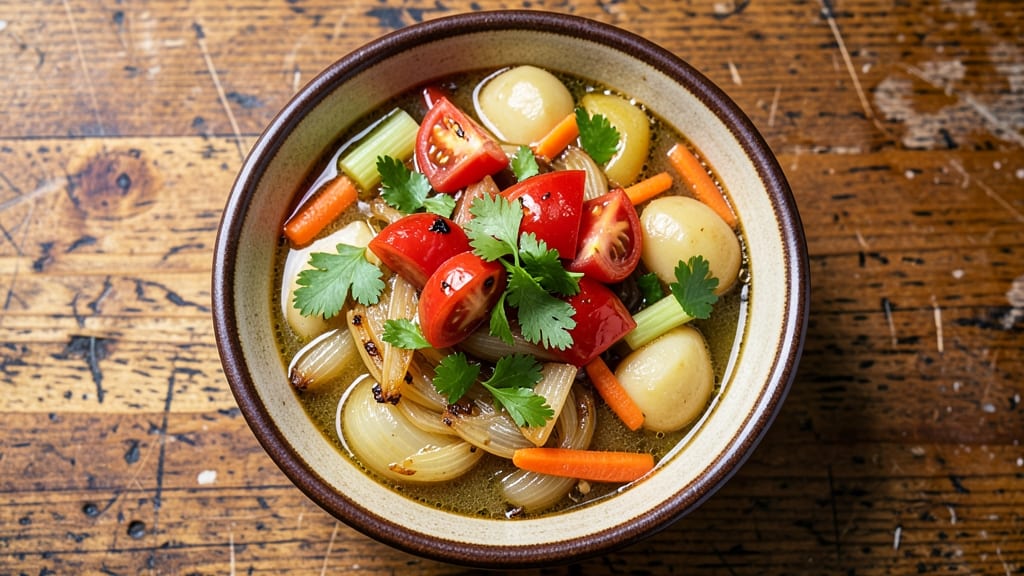
This vegetable soup recipe transforms simple pantry staples into a rich, umami-packed one-pot meal that requires no prep ahead. The secret lies in layering flavors—caramelizing onions and garlic, simmering aromatic vegetables, and finishing with a splash of acidity to brighten the broth.
After years of testing variations, this method consistently delivers a soup that tastes like it simmered all day, even when you're short on time.
What makes this recipe work is its flexibility—whether you use store-bought broth or homemade, fresh vegetables or frozen, the technique remains the same. The key steps—sautéing the base, simmering slowly, and adjusting seasoning—ensure a balanced flavor profile every time.
This isn't just a quick meal; it's a restaurant-quality soup that builds depth through simple techniques like blooming spices and deglazing the pot.
The result is a hearty, comforting bowl of soup with tender vegetables swimming in a savory broth that's rich without being heavy. The texture is perfect—vegetables stay crisp-tender, and the broth develops a velvety consistency that coats every spoonful.
Garnishes like fresh herbs or a drizzle of olive oil elevate it further, but the soup stands strong on its own.
Best of all, this recipe scales effortlessly—double it for leftovers or halve it for a light lunch. The one-pot method means minimal cleanup, and the flavor only improves as it sits. Ready to master a soup that's both practical and impressive? Let's get started with this foolproof technique.
Ingredients for vegitable soup
Pantry staples and fresh produce combine for this restaurant-quality umami vegetable soup.
| Ingredient | Amount | Notes |
|---|---|---|
| Yellow Onions 🧅 | 1 ½ lb | Thinly sliced, caramelized for depth |
| Garlic Cloves 🧄 | 6 cloves | Minced, for aromatic base |
| Carrots 🥕 | 1 ½ lb | Medium size, cut into 1-inch pieces |
| Celery Stalks 🥬 | 4 whole | Diced, classic mirepoix |
| Russet Potatoes 🥔 | 2 lb | Cubed, for hearty texture |
| Canned Diced Tomatoes 🍅 | 2 cups | San Marzano preferred, undrained |
| Vegetable Broth 💧 | 6 cups | Homemade or quality store-bought |
| Extra-Virgin Olive Oil 🫒 | ½ cup | For sautéing vegetables |
| Diamond Crystal Kosher Salt 🧂 | 1 ½ tsp | Adjust to taste |
| Ground Black Pepper 🌶️ | ½ tsp | Freshly cracked for brightness |
| Dried Thyme 🌿 | 1 tsp | Or 1 tbsp fresh thyme leaves |
| Bay Leaves 🍃 | 2 whole | Removed before serving |
| Red Wine Vinegar 🍷 | 1 tbsp | For acidity balance |
| Fresh Parsley 🌿 | ¼ cup | Chopped, for garnish |
| Vegetable Oil 🫒 | 2 tbsp | For initial sautéing |
The foundation begins with yellow onions, which should be sweet and firm—avoid those with sprouting or soft spots. Whole Foods Market or Trader Joe's carry excellent quality, but any grocery store's yellow onions work fine. Carrots and celery form the classic mirepoix trio; opt for organic if possible to minimize dirt, but standard produce is perfectly acceptable. The russet potatoes should be starchy, not waxy—look for smooth skin and no green spots. For the broth, Pacific Foods or Imagine brands offer excellent low-sodium options that won't require additional salt adjustments later in the process.
No fresh thyme? Dried oregano at half the amount provides a similar earthy note, though it lacks thyme's floral complexity. Substituting white wine for the red wine vinegar works in a pinch, though it'll alter the acid profile slightly. For the tomatoes, San Marzano cans deliver the best balance of sweetness and acidity—if you can't find them, any high-quality diced tomatoes will suffice. The bay leaves are essential for depth; if you're concerned about finding them, Penzeys Spices sells them in bulk. For those avoiding alcohol entirely, a splash of lemon juice can replace the vinegar while maintaining the necessary brightness in the finished soup.
Store any unused vegetables in airtight containers in the refrigerator for up to 5 days. The finished soup maintains peak flavor for 4-5 days when refrigerated, though the texture may slightly degrade after 3 days. For longer storage, portion into freezer-safe containers and freeze for up to 3 months. The broth can be separated and frozen separately for up to 6 months, allowing you to customize vegetable additions later. Garnish with fresh parsley just before serving to preserve its vibrant color and fresh aroma.
Why You'll Love This Recipe
- Pantry Staple Magic: I swear by this combo—onions, carrots, celery—because they’re the holy trinity of soup ingredients. You’ve got them? You’ve got a meal. No fancy shopping required.
- Caramelized Crunch Game: That’s right, I don’t just chop the veggies—I brown the onions and garlic until they’re golden. The difference? Deep, sweet flavor that turns this from basic to ridiculously good in one step.
- Lunchbox Hero: Between us, this soup reheats like a dream. Pack it in jars for work, toss it in a thermos for school lunches—it’s the kind of thing that makes you look like a meal-prep superhero without trying.
- Budget-Friendly Blanket: Potatoes stretch this soup into a full meal, and they’re cheap. Honestly? A single batch feeds four for two days, and I’m still not tired of it by day three. (Yes, even on a Tuesday night.)
Step-by-step instructions for one-pot vegetable soup
This method delivers a rich, layered vegetable soup with deep umami flavor using just one pot.
Develop the Aromatic Base
Heat the 2 tablespoons vegetable oil in a large Dutch oven or heavy pot over medium heat. Add the 1.5 pounds yellow onions, sliced thinly, and cook for 8-10 minutes until they soften and develop a golden hue. This slow caramelization builds the soup's foundational sweetness.
Push the onions to the sides of the pot and add the 6 cloves garlic, minced, along with the 4 whole celery stalks, diced. Cook for 3-4 minutes until the garlic becomes fragrant—this is when it releases its full flavor potential. You'll notice the vegetables begin to soften slightly, which is exactly what we want for the base.
Build the Vegetable Foundation
Add the 1.5 pounds carrots, cut into 1-inch pieces, and cook for another 5 minutes while stirring occasionally. The vegetables should begin to brown lightly at the edges, which enhances their natural sweetness and depth of flavor. This step ensures the vegetables develop a balanced texture before the liquid is added.
Next, stir in the 2 tablespoons extra-virgin olive oil, 1.5 teaspoons diamond crystal kosher salt, 0.5 teaspoon ground black pepper, and 1 teaspoon dried thyme. Cook for 1 minute to allow the spices to bloom and infuse the vegetables. This aromatic infusion is critical for creating a well-rounded, flavorful soup.
Add Liquid and Simmer
Pour in the 6 cups vegetable broth and bring the mixture to a gentle boil. Once boiling, reduce the heat to medium-low and add the 2 pounds russet potatoes, cubed. Stir gently to submerge the potatoes completely. The soup should simmer steadily—you'll see small bubbles forming at the edges, but not a vigorous boil.
Add the 2 cups canned diced tomatoes (including any juices) and the 2 whole bay leaves. Cover the pot with a lid and let the soup simmer for 20 minutes or until the potatoes are tender when pierced with a fork. This simmering time ensures the potatoes cook through while allowing the flavors to meld together harmoniously.
Finish and Balance the Flavor
After the potatoes are tender, stir in the 1 tablespoon red wine vinegar and taste the soup. Adjust the seasoning with additional diamond crystal kosher salt or ground black pepper if needed. The vinegar brightens the soup and balances the richness of the vegetables. Remove the 2 whole bay leaves before serving, as they can impart a bitter taste if left in.
Return the soup to a gentle simmer for 5 minutes to allow the flavors to fully integrate. Remove from heat and stir in the 0.25 cup chopped fresh parsley. The parsley adds a fresh, vibrant finish that contrasts beautifully with the deep, savory flavors of the soup. Serve immediately, garnished with additional parsley if desired.
Pro Tips For Making Vegitable Soup
- Sweat the Aromatics: DESCRIPTION:
- Cut Potatoes Uniformly: DESCRIPTION:
- Salt the Water Early: DESCRIPTION:
- Blend Half the Soup: DESCRIPTION:
Troubleshooting this dish
Mushy Vegetables
If your vegetables turn out mushy, it’s likely from overcooking or adding them too early. Start by cutting all vegetables into even-sized pieces so they cook uniformly. Potatoes and carrots should go in first, followed by harder veggies like celery or broccoli in the last 5-7 minutes of simmering.
I also recommend using a large pot with a tight-fitting lid to trap steam and cook vegetables more evenly. 🥕
Flat or Bland Broth
A bland broth usually means insufficient seasoning or insufficient simmering time. Always taste and adjust seasoning as you go—don’t wait until the end. For extra depth, add a 1 teaspoon soy sauce or ½ teaspoon miso paste during the last 10 minutes of simmering.
If your broth is still weak, reduce it by 25% after simmering uncovered for 10 minutes to concentrate the flavors. 💧
Soggy Bread or Crackers
To prevent soggy sides, serve your soup with toasted bread or crackers on the side and let guests add them after the soup is served. For extra crispiness, toast your bread or crackers in the oven at 350°F for 5-7 minutes before serving.
I also like keeping a small bowl of grated Parmesan cheese nearby—it adds texture and absorbs excess moisture. 🍞
Broth Too Salty
If your soup tastes too salty, don’t panic—you can fix it! Add ½ cup unsalted vegetable broth or water and simmer for 5 minutes to dilute the saltiness. For a more dramatic fix, stir in 1-2 tablespoons of cooked pasta or rice, which absorbs excess salt.
Avoid adding fresh ingredients like potatoes or carrots, as they’ll absorb the salt and make the problem worse. ✨
Vegetables Not Cooked Through
Uneven cooking often happens when vegetables are cut too large or added at different times.
To fix this, always cut vegetables into similar-sized pieces (about 1-inch chunks) and add them in stages—start with the hardest veggies (like potatoes) and add softer ones (like zucchini) in the last 5 minutes.
If your soup is still undercooked, simmer uncovered for an extra 5-10 minutes to let the broth reduce and intensify. 🔥
Oily or Greasy Soup
An oily soup usually means too much oil was used during sautéing. To fix this, skim excess oil from the surface using a spoon or a fine-mesh strainer. For future batches, use 1 tablespoon of oil per pound of vegetables and avoid adding extra oil mid-cook.
If the soup is still too greasy, stir in 1-2 tablespoons of cornstarch mixed with water and simmer for 2 minutes—this helps bind the oil and create a smoother texture. 🫒
Nutrition facts
Frequently asked questions
Can I make this vegetable soup without fresh vegetables?
Use frozen vegetables like peas, corn, or mixed veggies—just thaw them first. Canned tomatoes, beans, and even frozen onions work perfectly. The key is maintaining the same cooking times: add frozen veggies with the broth and simmer until tender. For best results, choose no-salt-added versions to control seasoning.
How can I make this soup creamier without dairy?
Blend ½ cup of the soup with ¼ cup unsweetened coconut milk or cashew cream, then stir it back in. For a dairy-free thickener, mix 1 tablespoon cornstarch with 2 tablespoons cold water, add to the soup, and simmer for 2-3 minutes until thickened. This works especially well if you're making a vegan version.
What's the best way to store leftovers?
Let the soup cool completely, then transfer to airtight containers. It keeps in the fridge for 4-5 days or freezes for up to 3 months. For reheating, warm gently on the stove over low heat or microwave in 30-second intervals, stirring between each. Avoid boiling to prevent splitting the broth.
Can I add meat or seafood to this recipe?
While this is a vegetarian recipe, you can easily adapt it! Add ½ lb smoked sausage (removed from casing) or 8 oz shrimp in the last 5 minutes of cooking. For chicken, use 1 cup shredded rotisserie chicken and stir it in after removing the bay leaves. Just adjust seasoning—meatier versions often need extra salt and pepper.
Why does my soup taste better the next day?
The flavors deepen as the vegetables reabsorb the broth overnight, creating a more concentrated taste. The starches from potatoes and carrots also break down further, making the broth naturally thicker and richer. For best results, reheat gently and add a splash of water if needed to adjust consistency.