
Soups & Stews
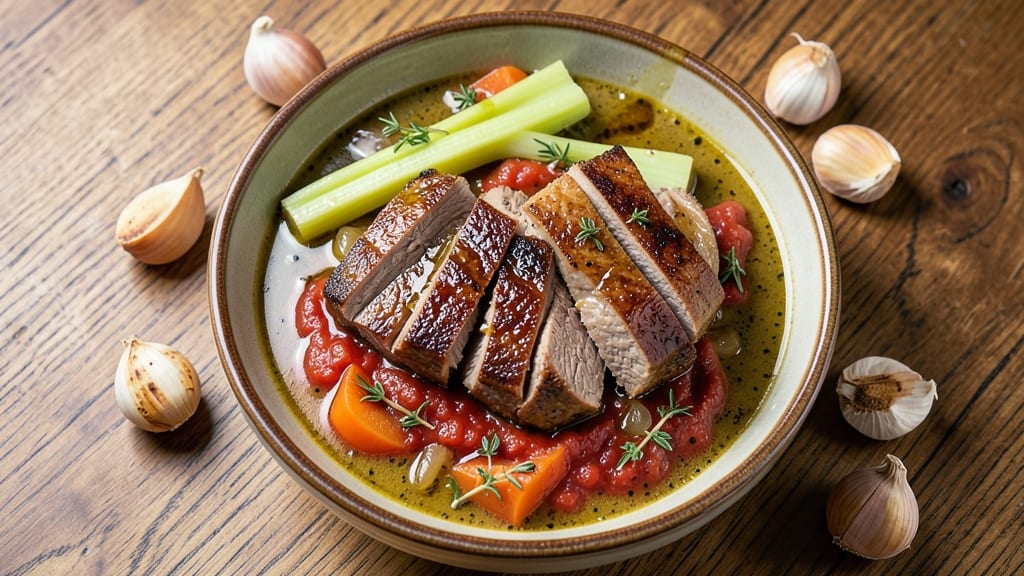
Transforming a standing rib roast into a rich, slow-simmered soup is the kind of meal that turns ordinary weeknights into special occasions. The key lies in roasting the meat first to develop deep, caramelized flavors before extracting every last drop of broth and tender meat for the soup base.
This method ensures you get the most flavorful, hearty soup possible—one where the meat practically melts off the bone when you stir.
The process begins with a high-heat roast to create a flavorful crust, followed by a slow simmer that infuses the broth with richness.
You'll use simple pantry staples like onions, carrots, and celery to build a classic base, then let the beef and vegetables simmer until the meat becomes fork-tender and shreds easily.
The result is a soup that's deeply satisfying, with layers of savory, umami, and herbal notes that come together in every spoonful.
What you'll end up with is a bowl of soup so hearty and flavorful it feels like a hug in a bowl—perfect for chilly evenings or when you want to impress guests without hours of prep.
The meat shreds effortlessly, blending into the broth to create a velvety texture, while the aromatics add brightness and depth. This isn't just soup; it's a complete, comforting meal that delivers restaurant-quality results at home.
Serve it with crusty bread to soak up every last drop of that rich broth, or pair it with a simple green salad for balance. The leftovers reheat beautifully, making this the ultimate make-ahead meal for busy weeks. Let's get started on creating this showstopping dish.
Ingredients for standing rib roast soup
Six ingredients transform a rib roast into velvety, meat-shredding soup perfection.
| Ingredient | Amount | Notes |
|---|---|---|
| Standing Rib Roast 🥩 | 4 lb | Bone-in, well-marbled preferred |
| Yellow Onions 🧅 | 3 whole | Medium, halved and peeled |
| Carrots 🥕 | 4 whole | Medium, peeled and chopped |
| Celery Stalks 🥬 | 4 whole | Stringy ends trimmed |
| Garlic Cloves 🧄 | 6 cloves | Peeled, lightly smashed |
| Tomato Paste 🍅 | ½ cup | Smooth, not chunky |
| Dry Red Wine 🍷 | 1 cup | Bold, like Cabernet Sauvignon |
| Beef Broth 🥫 | 6 cups | Low-sodium preferred |
| Fresh Thyme 🌿 | ¼ cup | Leaves only, stems removed |
| Fresh Rosemary 🌿 | 1 sprig | Wooden-handled for easy removal |
| Bay Leaves 🍃 | 2 whole | Dried, standard size |
| Olive Oil 🫒 | ¼ cup | Extra-virgin for roasting |
| Kosher Salt 🧂 | 1 ½ tbsp | Adjust to taste |
| Black Peppercorns 🌶️ | 1 tsp | Freshly cracked |
| All-Purpose Flour 🌾 | 2 tbsp | For thickening if needed |
The rib roast is your flavor anchor. Look for well-marbled cuts—the fat renders into the broth, creating richness. Most butchers will trim it for you, but if you're buying whole, ask for a 4-pound bone-in roast with the standing rib intact. Costco or local butchers usually have the best selection. The key is to roast it first—this develops a deep, caramelized crust that infuses the broth with layers of flavor. Don't skip the high-heat sear; it's what makes this soup taste restaurant-worthy. If you're short on time, pre-cut bone-in roasts from the grocery store meat counter work too.
No red wine? Beef broth with a splash of balsamic vinegar works in a pinch. Fresh thyme and rosemary are ideal, but dried at one-third the amount gets you close. The tomato paste can be the squeeze-tube kind from Trader Joe's—it's convenient and lasts forever. For the aromatics, carrots and celery should be roughly chopped (no need to be precise). The bay leaves? Tear one in half before adding—releases more flavor. And if you're worried about the wine taste being too strong, reduce it first with the onions and garlic before adding broth.
This soup tastes even better the next day as flavors meld. Store in an airtight container for up to 5 days in the fridge. For longer storage, freeze portions for up to 3 months. I like to portion it into individual containers—perfect for lunches. The meat will shred effortlessly after simmering, so use a slotted spoon to remove the roast before shredding. Save the broth for another use if you want extra soup—it's that flavorful.
Why You'll Love This Recipe
- I’ll be real: this is my go-to for busy weeks. Make a big batch, freeze half, and pull it out whenever you need a hearty meal. The flavors actually improve after reheating—perfect for lazy nights or unexpected company. No takeout, no stress.
- Uses Leftover Roast: I swear by this trick—simply toss the bones and scraps from your standing rib roast into the pot. That deep, meaty flavor? It’s like the soup magically multiplies the value of your original roast. No waste, just pure efficiency.
- One-Pot Magic: Honestly, this is the kind of recipe that makes me question why I ever bothered with complicated dishes. Chop the onions, carrots, and celery while the roast cooks, then dump everything in one pot. The garlic and celery stalks caramelize right into the broth—minimal effort, maximum reward.
- Rich, Deep Umami: Between the slow-cooked roast and the caramelized onions, this soup has a richness that feels luxurious. It’s not just broth with veggies—it’s a full-flavored experience, like a hug in a bowl. The standing rib roast adds that unmistakable beefy depth that keeps you coming back.
Step-by-step instructions for slow-simmered standing rib roast soup
This rich, hearty soup transforms tough cuts into melt-in-your-mouth meat. Let's build it layer by layer.
Sear the Rib Roast and Build the Flavor Base
Heat the 0.25 cup olive oil in a large Dutch oven over medium-high heat until shimmering. Pat the 4 lb standing rib roast completely dry with paper towels—this ensures a proper sear. Season generously with 1 tbsp kosher salt and ½ tsp black peppercorns (reserve the rest for later).
Sear the roast on all sides until deeply browned, about 8-10 minutes total. The meat should release from the pan easily when ready. Remove the roast and set it aside. In the same pot, add the halved 3 whole yellow onions, chopped 4 whole carrots, and 4 whole celery stalks. Cook for 5 minutes until softened but not browned.
Develop the Soup's Rich Foundation
Add the 6 cloves garlic cloves, 0.5 cup tomato paste, and 1 cup dry red wine, stirring to scrape up any browned bits from the bottom. Let the mixture simmer for 3-4 minutes until the alcohol smell dissipates and the paste darkens slightly. This deepens the soup's complexity.
Pour in the 6 cups beef broth and bring to a gentle boil. Stir in the 0.25 cup fresh thyme, 1 sprig fresh rosemary, and 2 whole bay leaves. Return the roast to the pot, bone-side down, and add the remaining 0.5 tbsp kosher salt and ½ tsp black peppercorns. The roast should be mostly submerged.
Slow-Simmer Until the Meat Shreds Easily
Reduce heat to low and cover partially. Let the soup simmer for 2-2.5 hours, checking occasionally. The meat should become fork-tender and pull apart easily when tested. If the liquid reduces too quickly, add ½ cup hot water to maintain consistency.
Here's the thing—patience is key. The longer you cook, the deeper the flavors. I've found that 2 hours 15 minutes is ideal for a perfect balance of tenderness and richness. Remove the roast and let it rest for 10 minutes before shredding it with two forks directly in the pot.
Finish with Velvety Texture and Perfect Seasoning
Return the shredded meat to the pot and stir. Taste the soup and adjust seasoning with more kosher salt or black peppercorns if needed. For a thicker consistency, whisk in the 2 tbsp all-purpose flour and simmer for 5 minutes until slightly thickened. If you prefer it thinner, simply skip the flour.
Remove the rosemary sprig and bay leaves before serving. Ladle the soup into bowls, garnishing each with a sprinkle of fresh thyme leaves. The result should be a rich, velvety broth with tender, flavorful meat that falls apart at the touch. Serve immediately with crusty bread to soak up every last drop.
Pro Tips For Making Standing Rib Roast Soup
- SEAR THE ROAST FIRST: That rich, caramelized crust on your rib roast isn’t just for show—it’s what carries the deep, savory flavor into your soup. Brown the roast in batches over medium-high heat (about 4 minutes per side) before adding any liquid. I used to skip this, thinking the long simmer would handle it, but the soup tastes noticeably lighter without that initial sear.
- CUT VEGETABLES UNIFORM: Carrots and celery in random sizes mean some will turn to mush while others stay stubbornly undercooked. Aim for ½-inch dice across the board—no need for perfection, just consistency. I learned this the hard way when I had a batch of mushy carrots and al dente celery in the same pot. (Yes, I ate the celery first.)
- DEGLAZE WITH WINE OR BROTH: After removing the roast, don’t just dump in water—scrape up those browned bits with a spoon, then deglaze with ½ cup red wine or beef broth. Those bits are packed with flavor, and skipping this step means losing a third of the soup’s depth. I now keep a small cup of broth on hand just for this purpose.
- SIMMER LOW AND LONG: Rib roast needs patience—aim for 2 to 2½ hours on low heat (just a bare simmer) to break down the connective tissue without turning the meat to sawdust. I used to rush it, and the result was either tough or a watery sludge. Cover loosely and check the liquid level every 30 minutes, topping up with broth if needed.
Flavor customization for this standing rib roast soup
Herb-Forward Brightness
Swap the classic thyme and rosemary for 1 tbsp fresh sage and 1 tbsp fresh parsley to add earthy, slightly peppery notes that brighten the rich beef flavors. I find that adding 1 tsp lemon zest during the final simmer enhances the herbal profile while cutting through the soup's richness.
For an extra herbal punch, stir in 2 tbsp chopped chives at the end—this adds a delicate oniony sweetness that pairs beautifully with the tender meat. 🌿
Smoky Chipotle Heat
Infuse your soup with smoky depth by adding 1-2 chipotle peppers in adobo sauce when you introduce the wine. Simmer them for 10 minutes to meld their flavors before removing them.
For a milder version, reduce to ½ chipotle pepper and add ½ tsp smoked paprika along with the tomato paste. This variation works especially well with a garnish of avocado slices and pickled jalapeños for contrast. 🌶️
Creamy Mushroom Depth
Boost umami richness by adding 8 oz sliced cremini mushrooms when you introduce the onions and carrots. Cook them for 8-10 minutes until they release their moisture and develop a golden crust.
For extra creaminess, stir in ½ cup heavy cream or ½ cup coconut milk during the final 5 minutes of simmering. This variation feels luxurious while keeping the soup hearty and satisfying. The mushrooms add an earthy, meaty quality that complements the beef perfectly. 🍄
Spiced Orange Zest
Brighten the soup with 1 tbsp orange zest and 2 tbsp freshly squeezed orange juice when you add the wine. The citrus cuts through the richness while adding a subtle sweetness that balances the savory flavors.
For warmth, add ½ tsp ground cinnamon and ¼ tsp ground nutmeg with the bay leaves. Garnish with orange slices and a sprinkle of toasted pine nuts for a sophisticated yet approachable twist. ✨
Garlic-Infused Oil Finish
Elevate the soup's texture and flavor by finishing it with 2 tbsp garlic-infused olive oil. To make this, gently fry 4 cloves garlic in ¼ cup olive oil until golden, then strain out the garlic. Drizzle this fragrant oil over each bowl just before serving.
The nutty, garlicky notes add another layer of depth that makes the soup feel restaurant-quality. Pair it with crusty garlic bread for an extra satisfying bite. 💡
Spicy Cajun Kick
Transform your soup into a Cajun-inspired version by adding 1 tbsp Cajun seasoning (like Tony Chachere's) when you sear the roast. For extra heat, stir in ½ tsp cayenne pepper with the tomato paste.
Serve with a side of cornbread and a sprinkle of green onions and hot sauce for guests to adjust to their spice preference. This variation is perfect for those who love bold, spicy flavors with a Southern twist. 🔥
Nutrition facts
Frequently asked questions
Can I use a different cut of beef instead of standing rib roast?
Chuck roast or short ribs work beautifully—they're more affordable and add even more richness to the broth. For best results, trim excess fat and follow the same roasting method. Bone-in cuts like short ribs will give you extra flavor, while chuck roast shreds slightly differently but still delivers amazing texture.
How do I prevent the soup from getting too thin or watery?
Simmering too long reduces the broth, but you can thicken it naturally by whisking in 2 tbsp cornstarch or 2 tbsp flour mixed with ¼ cup cold water during the last 10 minutes of cooking. For a creamier texture, stir in ½ cup heavy cream at the end. Always taste first—you can adjust as needed.
What's the best way to reheat leftovers without drying out the meat?
Reheat gently on the stove over low heat with a splash of broth or water to keep it moist. Avoid microwaving—it can make the meat rubbery. For best results, reheat just until warmed through (5-7 minutes) and stir occasionally. Store leftovers in an airtight container for up to 5 days.
Can I make this soup in a slow cooker instead of a Dutch oven?
Yes! Sear the roast first in a skillet, then transfer everything to your slow cooker. Cook on low for 6-8 hours or high for 3-4 hours until the meat shreds easily. The slow cooker method is perfect for hands-off prep, though the flavors may be slightly less concentrated than stovetop simmering.
Why does my meat not shred easily after cooking?
Undercooking is the most common reason. The roast needs 2-2.5 hours of simmering to become fork-tender. If it's still tough, return it to the pot with a little extra broth and cook 30-60 more minutes. Avoid overcrowding the pot—this can steam the meat instead of tenderizing it.