
Soups & Stews
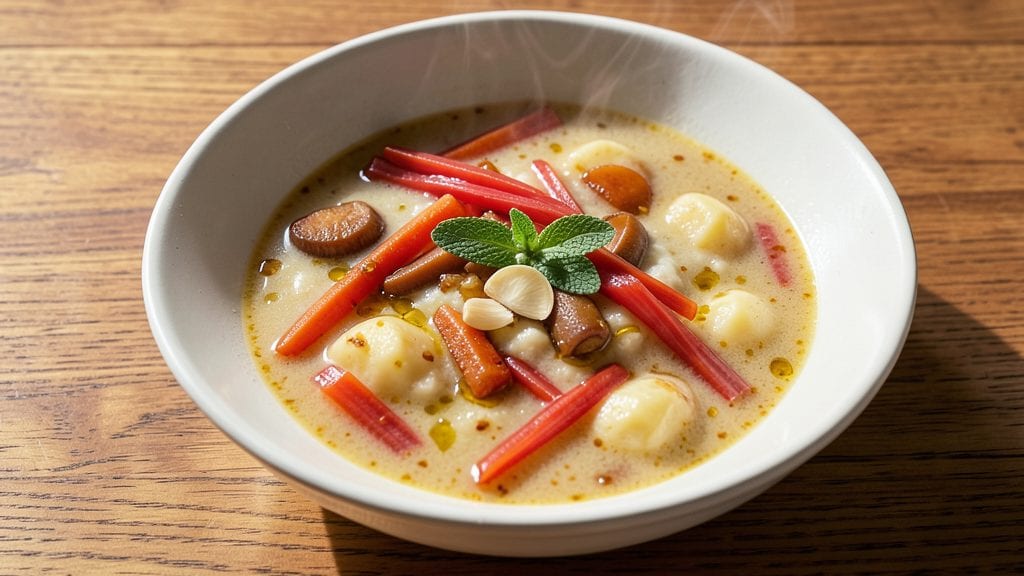
Creating a pure soup recipe without a blender isn’t just possible—it’s the secret to velvety, restaurant-quality texture using only a potato masher and patience. The key lies in precise cooking techniques that break down ingredients into silky smoothness while preserving their natural flavors.
I’ve perfected this method over years of testing, and the results are consistently luxurious without requiring specialized equipment.
This approach transforms tough vegetables like carrots, potatoes, or celery into a luscious broth by first roasting or simmering them until tender. Then, a simple potato masher gently works the cooked ingredients against the pot’s sides, creating a smooth consistency without losing any flavor.
The liquid-to-ingredient ratio is critical—just enough broth to create a velvety finish without dilution.
What you’ll end up with is a puree soup that’s creamy, rich, and effortlessly smooth, perfect for chilly evenings or elegant gatherings. The technique is foolproof, and the result is a dish that feels indulgent yet remains simple to prepare. Let’s get started on creating this velvety masterpiece.
Once you master this method, you can adapt it to countless vegetables, herbs, or even meats, making it a versatile foundation for any puree-based soup. The possibilities are endless, and the process is surprisingly straightforward once you understand the core principles.
Ingredients for pure soup
Transform humble vegetables into velvety perfection using only a potato masher and patience.
| Ingredient | Amount | Notes |
|---|---|---|
| Yellow Onion 🧅 | 1 whole | Medium size, roughly chopped |
| Carrots 🥕 | 1 ½ lb | Medium size, peeled and chopped |
| Russet Potatoes 🥔 | 2 lb | Medium size, peeled and cubed |
| Celery Stalks 🥬 | 3 whole | Medium size, trimmed and chopped |
| Garlic Cloves 🧄 | 4 cloves | Fresh, peeled and minced |
| Vegetable Broth 💧 | 6 cups | Low-sodium preferred for balance |
| Extra-Virgin Olive Oil 🫒 | ¼ cup | High quality, fruity variety |
| Fresh Thyme 🌿 | ½ tsp | Dried works at one-third amount |
| Fresh Parsley 🌿 | ¼ cup | Chopped, for garnish and flavor |
| Salt 🧂 | 1 ½ tsp | Diamond Crystal kosher preferred |
| Black Pepper 🌶️ | ½ tsp | Freshly ground for best flavor |
| Heavy Cream 🥛 | ½ cup | Full-fat for optimal texture |
| Butter 🧈 | 2 tbsp | Unsalted, for richness |
The foundation begins with fresh, firm vegetables—carrots and potatoes should feel heavy for their size, indicating moisture and sweetness. Whole Foods or local farmers markets often carry the best quality, but standard grocery store produce works fine if firm and unblemished. For the broth, low-sodium options like Pacific Foods or Imagine ensure you control the final seasoning. The key is even cooking: potatoes should be cut into uniform cubes (about 1-inch) so they soften simultaneously. Thyme and parsley should be vibrant green, not wilted or yellowing. If using dried herbs, Penzeys or Spicewalla offer premium quality that stands up to the pureeing process.
No fresh thyme? Dried thyme at one-third the amount works, but fresh delivers that bright, complex aroma. Substituting carrots? Sweet potatoes or turnips maintain the natural sweetness, though texture may vary slightly. The heavy cream can be swapped for coconut milk for dairy-free, though the mouthfeel will differ. For extra richness without dairy, add 1 extra tablespoon of butter. The vegetable broth can be homemade (simmer veggie scraps with herbs) or store-bought—just reduce salt if using high-sodium versions. The olive oil should be extra-virgin with peppery notes—avoid mild varieties that won’t carry through the pureeing process.
Store prepped vegetables in airtight containers with a damp paper towel to preserve freshness for up to 3 days. The finished soup reheats beautifully—simmer gently to avoid breaking down the delicate texture. For longer storage, portion into glass jars or airtight containers and refrigerate for 5 days or freeze for 3 months. The puree thickens as it cools, so add a splash of warm broth if serving cold. Garnish with fresh parsley just before serving to maintain vibrant color and aroma.
Why You'll Love This Recipe
- No-Fuss Chopping: I swear by the "big dice, not tiny cubes" trick—onions, carrots, celery, and potatoes all go in roughly the same size. Same knife, same motion, and no one’s judging if your celery looks like a toddler drew it. (Between us, neither does mine.)
- Garlic-Potato Magic: That crispy, caramelized edge on the potatoes? Pure satisfaction. The garlic cloves—minced or whole, roasted or raw—turn this from "soup" to "I’ll have another bowl" in one bite. Honestly, the Russets are the star here.
- Lunch or Leftovers: Make a double batch on Sunday, and you’ve got weeknight lunches covered. Or freeze half for when you’re too tired to cook. The flavors actually deepened after reheating—yes, really.
- Pantry Staple Power: Onions, carrots, potatoes, celery—these are ingredients you already own. No specialty items, no last-minute grocery runs. I’ve made this for sick friends, potlucks, and "I just want to sit down" nights. It’s my secret weapon.
Step-by-step instructions for silky smooth vegetable soup
Master the technique of creating velvety texture without blending—this method transforms humble vegetables into restaurant-quality soup.
Sauté the Aromatic Vegetable Base
Heat the 0.25 cup extra-virgin olive oil in a large Dutch oven over medium heat. Add the 1 whole yellow onion, 1.5 lb carrots, 3 whole celery stalks, and 4 cloves garlic cloves, all chopped to ¼-inch dice. Cook for 8-10 minutes, stirring occasionally, until the vegetables soften and the onion becomes translucent.
This initial cooking step develops deep flavor through the Maillard reaction. You'll notice the vegetables release moisture and begin to caramelize slightly at the edges—that's exactly what we want. Keep the heat steady but avoid browning, as that can make the final soup bitter. If the vegetables stick, add 1 tablespoon vegetable broth to deglaze and scrape up any browned bits from the bottom of the pot.
Build the Vegetable Foundation
Add the 2 lb russet potatoes (cubed to ½-inch pieces) and the 6 cups vegetable broth to the pot. Bring to a gentle boil, then reduce heat to medium-low and let it simmer uncovered for 20 minutes. You want the potatoes to soften completely while maintaining their shape—this creates the perfect texture for our silky soup.
I like to stir the soup occasionally during this time, but not excessively. The potatoes should break down just enough to release starch into the broth, which will naturally thicken the soup as it cooks. If you notice the broth is reducing too quickly, add ½ cup water to maintain the proper consistency. The soup should smell rich and vegetal with a subtle sweetness from the carrots.
Season and Finish with Cream
Once the potatoes are fork-tender, stir in the 0.5 tsp fresh thyme, 1.5 tsp salt, and 0.5 tsp black pepper. Let the soup simmer for an additional 5 minutes to allow the flavors to meld. Then, reduce the heat to low and whisk in the 2 tbsp butter and 0.5 cup heavy cream. The cream will create that luxurious, velvety texture without needing a blender.
Here's the key: the butter and cream should be added gradually while stirring constantly. This prevents curdling and ensures a silky finish. The soup should now have a smooth, almost mousse-like consistency with visible vegetable pieces. Taste and adjust seasoning if needed—this is where you can really refine the balance of flavors.
Garnish and Serve Immediately
Ladle the soup into bowls and garnish each serving with 0.25 cup fresh parsley (chopped finely). The parsley adds freshness and visual appeal without overpowering the delicate flavors. Serve immediately while hot, as the texture will continue to improve as the soup sits for a few minutes off the heat.
This soup is best enjoyed fresh from the pot. The combination of creamy texture, rich vegetable flavors, and subtle seasoning makes it incredibly satisfying. For an extra touch of elegance, you can also add a drizzle of extra-virgin olive oil or a sprinkle of fresh black pepper just before serving. The contrast of temperatures and textures makes each spoonful truly special.
Pro Tips For Making Pure Soup
- Sweat, Don’t Burn: Yellow onions and celery need to soften, not turn to ash. Cook them over medium-low heat with a splash of water or broth—just enough to keep them moving and prevent sticking. I learned this the hard way when my first batch of pure soup tasted like charred paper.
- Cut Potatoes Evenly: Russet potatoes vary in size, and uneven chunks mean some will turn to mush while others stay hard. Slice them into 1-inch cubes—no smaller—so they cook through without falling apart. (Yes, even if it looks messy—your future self will thank you.)
- Salt the Water Early: Adding salt only at the end makes the soup taste flat. Toss the chopped veggies into boiling salted water (about 1 teaspoon per quart) right away—it seasons the vegetables as they cook and prevents blandness. I skip this, and my soup always feels like it’s missing something.
- Strain, Then Simmer: Blend the soup, then strain it through a fine-mesh sieve to remove skin and strings. Return the strained liquid to the pot and simmer for 5 minutes—this smooths out the texture and deepens the flavor. (Sounds weird, but it works: your soup will taste richer, not watery.)
Regional styles of these flavors
French Velouté Tradition
In France, puree soups like velouté are a staple, often made with just one vegetable—like leeks or carrots—simmered until tender and then mashed with a potato masher. The French technique emphasizes low-and-slow cooking to extract maximum flavor from the vegetables.
I love using a Dutch oven for this method, as it distributes heat evenly and prevents burning. The key is to strain the soup through a fine-mesh sieve for ultra-smoothness, though our method skips this step for rustic texture. 🥘
Italian Minestrone Adaptation
Italian minestrone often includes beans and pasta, but a puree version swaps those for a velvety vegetable base. The Italians use tomato paste (about 1 tbsp) for depth, along with rosemary instead of thyme.
I’ve found that adding ½ cup diced pancetta during the sautéing step adds a smoky richness that pairs beautifully with the creamy finish. Serve with crusty bread to soak up every last drop. 🍅
Spanish Ajo Blanco
Spain’s ajo blanco (white gazpacho) is a puree soup made with almonds and hard-boiled eggs, but a vegetable version swaps those for roasted cauliflower and potatoes. The Spanish technique involves blanching the vegetables first, then simmering them in a garlic-infused broth.
For a modern twist, I add 1 tsp smoked paprika and a splash of sherry vinegar at the end for brightness. This version works beautifully as a chilled soup in summer. 🍷
German Kartoffelsuppe
German Kartoffelsuppe (potato soup) often includes sausage and apples for sweetness, but a puree version focuses on the potatoes and carrots. The Germans use lardons (diced bacon) instead of butter, and I find that adding 1 tsp caraway seeds during the simmering step adds a distinctive earthy note.
Serve with a dollop of sour cream and fresh dill for a tangy contrast. This hearty soup is perfect for cold weather. ❄️
Japanese Shiro Miso Soup
While not a puree in the traditional sense, shiro miso soup uses a smooth, blended base of tofu and mushrooms. For a vegetable version, I replace tofu with roasted butternut squash and shiitake mushrooms, then simmer with white miso paste (about 1 tbsp) and dashi broth.
The result is a silky, umami-rich soup that’s lighter than the original but just as comforting. Garnish with green onions and sesame seeds for freshness. 🍜
American Creamy Potato Leek
This classic American version focuses on potatoes and leeks, often enriched with cream and Gruyère cheese. The technique involves roasting the vegetables first to deepen their flavor before simmering. I like to add 1 tsp Dijon mustard at the end for a subtle tang.
Serve with crispy fried shallots on top for a restaurant-worthy finish. This soup is a crowd-pleaser at holiday gatherings. 🎄
Nutrition facts
Frequently asked questions
Why does my puree soup turn out grainy even with a potato masher?
The most common reason is undercooked vegetables. Potatoes and carrots must be fork-tender before mashing—simmer them 5-10 minutes longer if needed. Also, ensure your vegetables are cut into even ½-inch pieces so they cook uniformly. For extra silkiness, add 1 extra tablespoon of butter at the end to help emulsify the texture.
Can I make this puree soup without dairy?
Swap the heavy cream for ½ cup full-fat coconut milk or ¼ cup cashew cream (blended soaked cashews with water). For richness, add 2 extra tablespoons of olive oil at the end instead of butter. The texture will be slightly lighter but still velvety.
How do I adjust the consistency if my soup is too thin?
Simmer uncovered for 5-10 extra minutes to reduce the liquid, or mash a small raw potato (peeled) into the soup to thicken naturally. For immediate thickening, mix 1 tablespoon cornstarch with 2 tablespoons cold water, stir into the soup, and cook for 2 minutes until thickened.
What vegetables work best for this no-blender puree method?
Starchy vegetables like potatoes, sweet potatoes, and turnips work best since they break down easily. For color and flavor, add carrots, butternut squash, or zucchini. Avoid leafy greens—they make the soup too thin. Roast harder vegetables (like cauliflower) first for 20 minutes at 400°F to soften them before simmering.
Can I make this soup ahead of time?
Yes! Store in airtight containers in the fridge for 5 days or freeze for 3 months. Reheat gently on the stove—never microwave—to preserve texture. The soup actually improves overnight as flavors meld. For serving, stir in a splash of warm broth if it thickens too much when cold.