
Soups & Stews
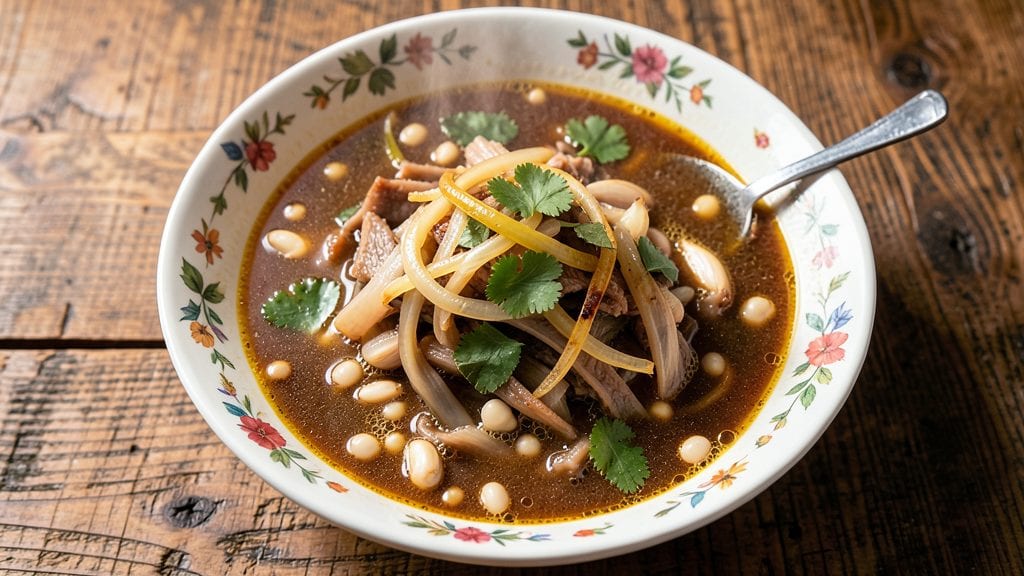
This Mexican tripe soup recipe delivers the bold, comforting flavors of traditional sopa de callos—spiced tomato, garlic, and tender tripe in one aromatic pot.
The key lies in properly preparing the tripe (soaking, boiling, and simmering) to achieve that signature melt-in-your-mouth texture while building layers of savory depth through toasted spices and slow-cooked broth.
What sets this recipe apart is the balance of techniques: simmering the tripe until tender, caramelizing garlic and spices in the broth, and finishing with bright lime and fresh cilantro.
The result is a hearty soup with rich, complex flavors that feel both rustic and refined—perfect for chilly evenings or family gatherings.
Every bite combines tender tripe, creamy hominy, and a broth so flavorful it lingers long after the last spoonful. The secret? Low-and-slow cooking to develop the spices while keeping the tripe perfectly tender. This is the kind of soup that transforms simple ingredients into something extraordinary.
Serve with warm tortillas or crusty bread to soak up every last drop of that aromatic broth. Ready to master the art of Mexican tripe soup? Let's begin with the foundational steps that make all the difference.
Ingredients for mexican tripe soup
Sixteen ingredients transform into a rich, aromatic Mexican tripe soup with deep spiced tomato and garlic layers.
| Ingredient | Amount | Notes |
|---|---|---|
| Beef Tripe 🥩 | 2 lbs | Honeycomb or plain cut preferred |
| Yellow Onions 🧅 | 2 whole | Medium size, diced |
| Garlic Cloves 🧄 | 8 cloves | Fresh, peeled and minced |
| Tomatoes 🍅 | 4 whole | Roma or vine-ripened, chopped |
| Canned Hominy 🌽 | 15 oz | Drained and rinsed |
| Dried Bay Leaves 🌿 | 2 whole | Standard size |
| Ground Cumin 🌶️ | 1 tbsp | Freshly toasted preferred |
| Dried Oregano 🍃 | 1 tbsp | Mexican oregano if available |
| Chili Powder 🌶️ | 2 tbsp | Medium heat blend |
| Salt 🧂 | 2 tsp | Diamond Crystal kosher |
| Black Peppercorns 🌶️ | 1 tsp | Freshly cracked |
| Fresh Cilantro 🌿 | ½ cup | Chopped, stems removed |
| Lime Juice 🍋 | 2 tbsp | Freshly squeezed |
| Beef Broth 💧 | 6 cups | Low-sodium preferred |
| Vegetable Oil 🫒 | 2 tbsp | For sauteing |
The tripe is the foundation—honeycomb or plain cut yields the best texture when properly prepared. Source from local butchers or specialty markets for the freshest cuts, as supermarket options often lack the necessary marbling. Rinse thoroughly and soak in cold water with vinegar for 24 hours to remove impurities; change water twice. The yellow onions and garlic should be vibrant, with no sprouting or bruising. For tomatoes, Roma or vine-ripened varieties provide the right balance of acidity and sweetness. The hominy from Goya or La Costeña brands delivers authentic creaminess—avoid pre-cooked versions, as they dilute the broth.
Substitutions must maintain the soup's depth. If tripe is unavailable, beef short ribs or oxtail work well, though texture differs. Swap Roma tomatoes for fire-roasted canned tomatoes (like Muir Glen) for convenience without sacrificing flavor. For the spices, Penzeys or Spicewalla offer premium cumin and oregano, but grocery store brands suffice if fresh. The beef broth should be low-sodium—homemade is ideal, but Swanson or Pacific Foods work in a pinch. Fresh cilantro can be replaced with dried cilantro at one-third the amount, though it lacks brightness. Lime juice substitutes include lemon juice or key lime juice, though flavor shifts slightly.
Prep the tripe first—soak, boil, and simmer to remove impurities before adding to the soup. Store cooked tripe in airtight containers for 3-4 days in the fridge or freeze for 3 months. The finished soup reheats beautifully, with flavors deepening after 24 hours. Portion into glass containers for best results—plastic absorbs odors. Garnish with fresh cilantro and lime wedges just before serving to preserve brightness. This soup freezes exceptionally well, maintaining texture for up to 6 months when stored in sealed bags.
Why You'll Love This Recipe
- No Chopping Chaos: I swear by this recipe because the tripe comes pre-cut—just rinse, simmer, and let the pot do the work. The onions and garlic get a quick sauté, but even that’s forgiving if you’re not a knife enthusiast. (Yes, even on a Tuesday night.)
- Umami Bomb: That tripe? It’s the star—tender, chewy, and packed with deep, savory flavor that just keeps getting better as it cooks. The hominy adds a creamy, slightly sweet contrast, and the tomatoes tie it all together with bright acidity. Honestly, the first bite makes you forget it’s "offal."
- Leftovers That Shine: This soup actually improves the next day—flavors meld, tripe gets even more tender, and it reheats like a dream. I make a double batch on Sundays because it’s the perfect lunch for work or a quick dinner when I’m too tired to cook.
- Budget Magic: A pound of tripe and a can of hominy feed four people for under $10. It’s the kind of meal where you stretch every ingredient without sacrificing taste—no sad, watery leftovers here. Between us, it’s my go-to for feeding a crowd without breaking the bank.
Step-by-step instructions for Mexican tripe soup
Here's how to transform tough tripe into tender, aromatic soup with layers of spiced tomato and garlic.
Prepare the Tripe for Maximum Tenderness
Begin by rinsing the 2 lbs beef tripe under cold water to remove any surface impurities. Cut the tripe into 1-inch wide strips, removing any silver skin or connective tissue that might remain. Place the cut tripe in a large bowl and cover with cold water. Add 2 tsp salt and let it soak for at least 30 minutes, gently stirring occasionally. This step is critical—it helps break down the collagen and removes any lingering gamey flavors. Drain and rinse the tripe thoroughly before proceeding.
While the tripe soaks, dice the 2 whole yellow onions into small, even pieces and mince the 8 cloves garlic. These aromatics will form the flavor foundation of your soup, so take your time with this prep work. The onions should be finely diced to dissolve completely during cooking, while the garlic should be minced to release its full aromatic potential without becoming bitter.
Develop the Flavor Base with Aromatics and Spices
Heat the 2 tbsp vegetable oil in a large Dutch oven over medium heat. Add the diced onions and cook for 5-6 minutes until they become translucent and begin to soften. This slow cooking process ensures the onions caramelize slightly, adding depth to the soup's flavor profile. Stir occasionally to prevent burning.
Add the minced garlic to the onions and cook for an additional 30 seconds until fragrant. Immediately add the 2 tbsp chili powder, 1 tbsp ground cumin, and 1 tbsp dried oregano, stirring constantly for 30 seconds to toast the spices and release their essential oils. This brief toasting step intensifies the aromatic qualities of these spices, which will permeate throughout your soup.
Build the Tomato and Broth Foundation
Add the chopped 4 whole tomatoes to the Dutch oven along with the 2 whole dried bay leaves. Cook for 5 minutes, stirring occasionally, until the tomatoes begin to break down and release their juices. This step develops the tomato base that will form the rich, slightly acidic foundation of your soup.
Pour in the 6 cups beef broth and bring the mixture to a gentle simmer. Add the prepared tripe strips to the pot, ensuring they're fully submerged in the liquid. This is where the magic begins—the combination of acid (from the tomatoes), heat, and time will transform the tough tripe into tender, fork-friendly pieces. Partially cover the pot and let it simmer gently for 45 minutes, stirring occasionally to prevent any tripe pieces from sticking to the bottom.
Incorporate Hominy and Final Seasonings
After 45 minutes, add the drained 15 oz canned hominy to the pot. The hominy will absorb the rich flavors of the soup while adding its characteristic creamy texture. Stir in the 1 tsp freshly cracked black peppercorns and bring the soup back to a gentle simmer. Cook for an additional 20-25 minutes, until the tripe is fork-tender and easily pulls apart.
Taste the soup and adjust the seasoning if needed, adding more salt if necessary. The soup should be well-seasoned but not overly salty. Remove the dried bay leaves at this point as they've served their purpose in infusing flavor during the cooking process.
Finish and Serve with Fresh Herbs
Reduce the heat to low and stir in the 2 tbsp freshly squeezed lime juice. This final acid note brightens the soup and balances its rich flavors. Cook for an additional 2-3 minutes to allow the lime juice to meld with the other ingredients. Remove the pot from heat and stir in the 0.5 cup chopped fresh cilantro, reserving a small amount for garnish.
Ladle the soup into bowls and garnish with the reserved cilantro. Serve immediately while hot, accompanied by warm tortillas or crusty bread. The soup should be rich with tomato and garlic flavors, tender tripe that falls apart easily, and a perfect balance of spice and acidity that makes each spoonful satisfying. The hominy adds a delightful textural contrast that rounds out the dish beautifully.
Pro Tips For Making Mexican Tripe Soup
- BLANCH TRIPE FIRST: Toss the raw tripe into boiling water for 3-5 minutes before cooking—this removes the slimy membrane and speeds up tenderizing. I learned this the hard way after eating a batch where the texture was still chewy no matter how long I simmered it.
- CHAR THE ONIONS: Don’t just sauté the onions—get them deep golden brown in a dry skillet before adding anything else. That caramelized flavor is the backbone of the soup’s depth, and skipping it leaves the dish tasting flat. (Yes, even if you’re impatient like me.)
- CRUSH GARLIC WITH SALT: Mince the garlic cloves and mix them with a pinch of salt before adding to the pot. This prevents them from burning and makes the flavor more even throughout the soup. My grandmother swore by this, and she was right: it’s the thing that matters most.
- SIMMER LOW AND LONG: After the initial boil, reduce the heat to a bare simmer—just enough to keep tiny bubbles breaking the surface—and let it cook for at least 2 hours. Rushing it turns the tripe tough; patience here guarantees a melt-in-your-mouth result. (Your future self will thank you.)
Regional styles of mexican tripe soup
Central Mexico Style
The most traditional version hails from Mexico City and Puebla, where tripe is simmered for hours with guajillo chiles and epazote for a deeper, earthier flavor. I recommend adding 2-3 dried guajillo chiles (soaked and seeded) to the broth along with the tomatoes.
The epazote (about ¼ cup fresh) should be added in the last 10 minutes of cooking—its anise-like flavor brightens the soup beautifully. This regional approach often includes chorizo (about ½ lb), crumbled and browned with the onions for extra richness. 🌶️
Northern Mexico Twist
In states like Chihuahua and Coahuila, the soup takes on a bolder, smokier profile thanks to the influence of Northern Mexican cuisine. Char the tomatoes and onions directly over an open flame or gas burner before adding them to the pot—this adds a subtle smokiness.
I also incorporate 1 tbsp of ground ancho chile (toasted and blended) into the spice mix. For extra depth, some cooks add 1 cup of beer (like Modelo Especial) to the broth for a malty note that pairs perfectly with the tripe. 🍺
Yucatán-Inspired Version
The Yucatán brings a citrusy, herb-forward touch to tripe soup, blending Mayan and Mexican traditions. Here, I swap ½ cup of the beef broth for chicken broth and add 1 tbsp of recao (achiote paste) to the oil before sautéing the onions—this gives the soup its signature golden hue.
The finishing touch? A squeeze of orange juice (about 1 tbsp) alongside the lime, plus cilantro and recao leaves for garnish. This version is lighter but equally flavorful, with a hint of tropical brightness. 🍊
Oaxacan Heartiness
Oaxacan tripe soup (sopa de callos oaxaqueña) leans into mole-inspired depth, with a touch of sweetness and complexity.
After toasting the spices, I blend 1 tbsp of the chili powder with 1 tsp of cinnamon and ½ tsp of cloves, then stir this mixture into the broth.
Adding ½ cup of diced plantains (sautéed until caramelized) in the last 15 minutes of cooking introduces a subtle sweetness that balances the richness. Serve with warm tortillas and a side of salsa macha for dipping. 🌿
Texas-Mexican Fusion
In Texas, Mexican tripe soup often gets a spicier, cheesier twist, reflecting the state's love of bold flavors. I crank up the heat with an extra 1 tbsp of cayenne pepper and add ½ cup of shredded Monterey Jack cheese in the final minutes of cooking.
For texture, I stir in ¼ cup of diced jalapeños (seeds removed) and top each bowl with crumbled queso fresco and sour cream. This version is a crowd-pleaser, especially in cooler months when hearty, cheesy soups are in demand. 🧀
Nutrition facts
Frequently asked questions
How do I properly prepare tripe for this recipe?
Start by rinsing the tripe thoroughly under cold water, then cut it into 1-inch strips and remove any silver skin. Soak the tripe in cold water with 2 tsp salt for at least 30 minutes, stirring occasionally. This removes impurities and helps tenderize it. Drain and rinse before cooking. Never skip soaking—it's the key to removing gamey flavors and achieving tender tripe.
Can I make this soup without hominy?
Yes, but the texture will change. Hominy adds a creamy, slightly chewy contrast that balances the rich broth. Substitute with 1 cup of white beans (like cannellini) or ½ cup of corn kernels for a similar texture. If omitting completely, reduce the cooking time by 10-15 minutes since hominy helps thicken the soup slightly.
Why does my tripe soup taste too gamey?
Gamey flavor usually means the tripe wasn't properly cleaned or soaked. Always soak tripe in cold water with vinegar or lemon juice for 24 hours, changing the water twice. If the flavor persists, try adding 1 tbsp of apple cider vinegar or extra lime juice at the end to brighten the soup. Using high-quality tripe from a trusted butcher also helps.
How can I make this soup spicier?
For extra heat, add ½ tsp of cayenne pepper with the initial spices or stir in 1-2 chopped chipotle peppers in adobo during the simmering stage. If you prefer smoky heat, char 1-2 dried guajillo chiles and blend them into the broth. Always taste as you go—start with less and adjust gradually.
Can I prepare this soup ahead of time?
This soup tastes even better the next day as flavors deepen. Let it cool completely, then store in airtight containers in the fridge for up to 4 days. Reheat gently on the stove, adding a splash of water or broth if it thickens too much. For freezing, portion into glass containers and freeze for up to 6 months. Thaw overnight in the fridge before reheating.