
Soups & Stews
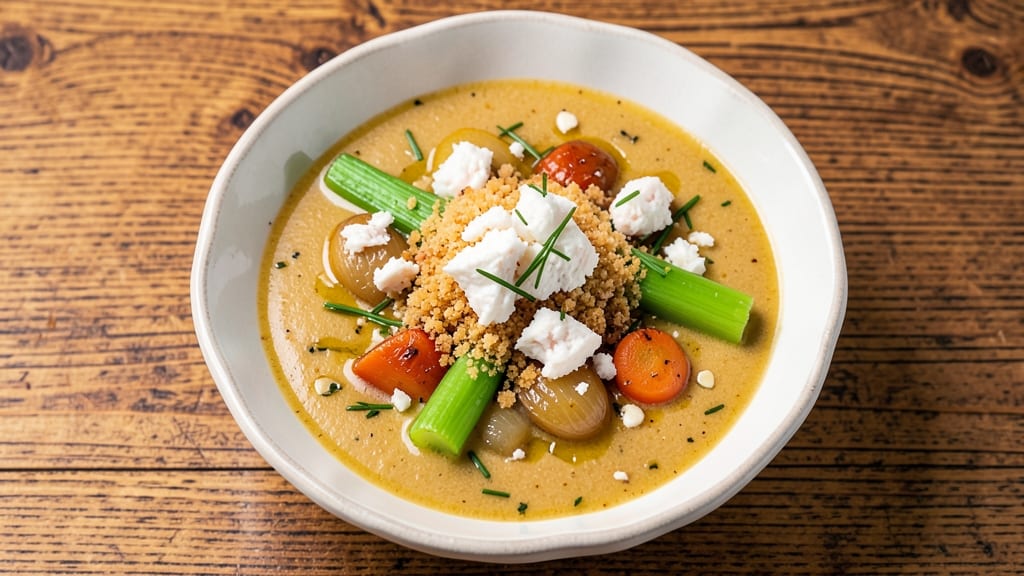
This McCormick Maryland crab soup delivers the briny, aromatic essence of Chesapeake Bay in every spoonful—where Old Bay seasoning transforms simple ingredients into a symphony of seafood flavors.
The recipe balances sweet crabmeat with the sharp tang of Old Bay, creating a soup that’s both nostalgic and refined, perfect for coastal gatherings or cozy weeknight dinners. What sets this version apart is the careful simmering technique that develops deep, layered flavors without overpowering the delicate crab.
The foundation of any great Maryland crab soup lies in its broth—clarified to achieve that signature golden clarity while retaining rich, umami depth.
Here, we use a combination of seafood stock and a touch of cream (or coconut milk for a lighter option) to create a velvety texture that cradles the crabmeat and vegetables.
The Old Bay seasoning, with its signature blend of celery, pepper, and mustard seeds, infuses the soup with that unmistakable Chesapeake character, while a splash of lemon brightens the finish.
By the time you’re done, you’ll have a bowl of soup that’s perfectly balanced—creamy yet light, briny yet aromatic, with tender crabmeat and crisp vegetables in every spoonful.
The secret to success is patience: letting the flavors meld during a gentle simmer and adjusting the seasoning gradually to achieve that authentic Maryland taste. This isn’t just a recipe; it’s a celebration of coastal tradition, simplified for home kitchens.
Whether you’re serving it at a seafood boil or enjoying a quiet dinner by the fire, this Maryland crab soup is designed to impress. The instructions ahead will guide you through every step—from clarifying the broth to plating the final dish—so you can recreate this classic with confidence.
Let’s get started!
Ingredients for mccormick maryland crab soup
Sixteen ingredients. One iconic flavor. The Old Bay magic begins here.
| Ingredient | Amount | Notes |
|---|---|---|
| Old Bay Seasoning 🧂 | 1 ½ tbsp | The soul of this soup |
| Fresh Lump Crabmeat 🦀 | 1 ½ lb | Backfin preferred for texture |
| Yellow Onion 🧅 | 1 whole | Medium size, diced small |
| Celery Stalk 🥬 | 2 whole | Trimmed, chopped fine |
| Garlic Cloves 🧄 | 4 cloves | Peeled, minced fine |
| Carrots 🥕 | 2 medium | Peeled, sliced thin |
| Seafood Stock 💧 | 4 cups | Homemade or high-quality |
| Heavy Cream 🥛 | ½ cup | Full-fat for richness |
| Lemon Juice 🍋 | 2 tbsp | Freshly squeezed |
| Butter 🧈 | 2 tbsp | Unsalted, for roux |
| All-Purpose Flour 🌾 | 2 tbsp | For thickening |
| Potatoes 🥔 | 1 ½ lb | Yukon gold, diced small |
| Bay Leaves 🌿 | 2 whole | For depth of flavor |
| Salt 🧂 | 1 tsp | Diamond Crystal preferred |
| Black Pepper 🌶️ | ½ tsp | Freshly cracked |
Old Bay is non-negotiable—McCormick's original blend is the gold standard, but any quality brand works. The crabmeat? Backfin from Trader Joe's or Costco gives the best texture, but fresh lump from a seafood market is ideal. Potatoes are key for body—Yukon golds hold their shape beautifully. For the seafood stock, Knorr or homemade are both solid choices, but avoid the low-quality bouillon cubes. The butter and flour combo creates a silky roux that's the backbone of this soup's velvety texture.
No Old Bay? Substitute 1 tbsp celery salt plus 1 tsp black pepper and 1 tsp paprika—it's not identical, but gets you close. Running out of heavy cream? Coconut milk works for a lighter version, though the flavor shifts slightly. Fresh crabmeat unavailable? High-quality imitation crab (like Store Brand or Crown Prince) is a decent backup, but expect a different texture. The carrots can be baby carrots if that's what's on hand—just slice them thin. For extra depth, add 1 tsp Worcestershire sauce with the Old Bay.
This soup tastes even better the next day—make a double batch if you can. Store in airtight containers for 4-5 days in the fridge or freeze for up to 3 months. Reheat gently on low, adding a splash of water or stock if it thickens too much. For serving, I like to garnish with extra Old Bay, a drizzle of cream, and a lemon wedge—worth the extra minute for that restaurant-quality touch.
Why You'll Love This Recipe
- Foolproof Ingredient List: I swear by this combo—just chop an onion, a couple celery stalks, and a handful of garlic (no measuring cups needed). The Old Bay ties it all together like magic, and the fresh lump crabmeat? That’s the star doing all the work for you.
- Old Bay Magic: Between us, that seasoning blend is chef’s kiss—smoky, zesty, and just salty enough to make the crab sing. One teaspoon in the broth, and suddenly you’ve got that iconic Maryland briny-sweet flavor without hunting for a dozen spices.
- Weeknight Crowd-Pleaser: Honestly, this is my go-to when friends drop by unannounced. It’s got that "fancy but effortless" vibe—rich enough for company but simple enough that I’m not stressing over timing. (Yes, even on a Tuesday night.)
- Leftovers That Don’t Suck: I make a big batch on Sundays, and it’s still just as good three days later. The broth thickens nicely, the crab stays tender, and honestly? The second night is when it really hits—like a flavor upgrade you didn’t know you needed.
Step-by-step instructions for Old Bay-spiced seafood simmered to perfection
Here's how to craft this iconic Maryland crab soup with rich, balanced flavors and tender seafood.
🍳 Step 1: Build the Classic Soup Base
In a large Dutch oven, melt the 2 tablespoons butter over medium heat. Add the diced yellow onion, chopped celery stalk, sliced carrots, and minced garlic cloves. Cook for 8-10 minutes until the vegetables soften and the garlic becomes fragrant - you should smell that sweet, nutty aroma developing. This aromatic base forms the flavor foundation of your soup.
Stir in the 2 tablespoons all-purpose flour and cook for 1-2 minutes until lightly toasted. This creates a delicate roux that will thicken your soup beautifully. Immediately pour in the 4 cups seafood stock and bring to a gentle simmer. Add the 2 whole bay leaves and 1 teaspoon salt. Let this base simmer uncovered for 15 minutes to develop depth of flavor - you'll notice the broth becoming more aromatic and slightly reduced.
🥘 Step 2: Cook the Potatoes to Perfect Tenderness
Add the diced 1.5 pounds potatoes to the simmering broth. The potatoes should be completely submerged. Return to a gentle simmer and cook for 15-18 minutes until the potatoes are fork-tender - they should collapse easily when pierced with a knife. This step is crucial for achieving that creamy, velvety texture that defines Maryland crab soup.
Here's where I always check for doneness: press a potato gently with a fork. If it yields slightly but still holds its shape, it needs a few more minutes. If it falls apart completely, it's overcooked and will make your soup gluey. The potatoes should be tender but still hold their shape when served.
🔥 Step 3: Infuse with Old Bay and Creamy Richness
Reduce the heat to low and stir in the 1.5 tablespoons Old Bay seasoning. This is where the signature Maryland flavor comes alive. Let the soup simmer gently for 5 minutes to allow the spices to bloom and infuse throughout the broth. You'll notice the aroma becoming more complex and slightly spicy.
Next, stir in the 0.5 cup heavy cream and 2 tablespoons lemon juice. The cream adds luxurious richness while the lemon brightens the flavors and cuts through the fat. Simmer for another 5 minutes to let these ingredients meld together. Taste and adjust seasoning with additional salt or 0.5 teaspoon black pepper as needed - this is your final flavor calibration.
🍽️ Step 4: Add Crabmeat and Finish with Care
Gently fold in the 1.5 pounds fresh lump crabmeat using a large spoon or spatula. Work quickly but carefully to avoid breaking up the delicate crab lumps. The crab should just warm through - no more than 2-3 minutes of cooking time. Overcooking will turn the crab rubbery, which would be a tragedy after all this effort.
Remove the bay leaves and adjust the consistency if needed. If the soup is too thick, stir in a splash of hot water. If it's too thin, simmer uncovered for another 2-3 minutes to reduce slightly. The perfect texture should be creamy but not heavy, allowing the crab to shine through.
⏰ Step 5: Serve Immediately for Peak Freshness
Ladle the soup into bowls and serve immediately. The contrast between the warm, creamy broth and the cool, delicate crab lumps is what makes this dish so special. Garnish each serving with an additional sprinkle of Old Bay seasoning and a wedge of lemon for brightness.
This soup tastes best served fresh from the pot when the crab is still cool and the broth is steaming. The flavors continue to develop as it sits, but the texture of the crab will suffer if you wait too long. For a complete Maryland experience, serve with crusty bread and a simple green salad.
Pro Tips For Making Mccormick Maryland Crab Soup
- Sweat the Aromatics: Cook your onions, celery, and garlic until they’re soft and just starting to caramelize—about 8-10 minutes on medium-low. I used to rush this, and the soup tasted flat; patience here builds the base flavor. Add a splash of water if they stick, but don’t walk away.
- Pick Your Crab Carefully: Fresh lump crabmeat is non-negotiable—avoid imitation or pre-picked crab, which turns mushy. If buying whole crabs, crack them yourself or insist on a seafood counter that picks them fresh for you. That extra effort keeps the texture luxurious.
- Season Gradually: Don’t dump all the Old Bay at once—start with half, taste the broth, then adjust. The soup’s depth comes from balancing salt, pepper, and the seasoning’s paprika and cayenne. I learned this after overpowering a batch and needing to dilute it with extra broth.
- Stir in Crab Last: Heat the soup to a gentle simmer, then remove from heat before adding the crabmeat. Lump crab cooks in seconds and falls apart if it boils. Let it meld into the warm broth for 30 seconds—just enough to warm through, not break down.
Regional styles of this dish
Chesapeake Bay Tradition
This Maryland crab soup traces its roots directly to the Chesapeake Bay region, where Old Bay seasoning was invented in the 1930s by Gustav Brunn at his Baltimore spice shop. The blend—celery salt, black pepper, paprika, and mustard seeds—became the signature flavor of Maryland seafood, especially crab dishes.
Traditional versions often used whole crabs instead of pre-picked meat, creating a heartier, more rustic broth. 🦀
The original recipe relied on stoneware pots and open-fire cooking, which gave the soup its distinctive depth. Modern adaptations like this one maintain the Old Bay essence while incorporating techniques like roux-based thickening for a smoother texture.
The Yukon gold potatoes and carrots were classic additions, providing body and sweetness to balance the briny crab.
Eastern Shore Adaptation
The Eastern Shore of Maryland—home to St. Michaels and Cambridge—has its own take on crab soup, often featuring blue crabs instead of just lump crabmeat. Locals might add crab roe or crab claws for extra richness, creating a soup with textural contrast.
The Eastern Shore version also tends to be lighter on cream, relying more on seafood stock and lemon for brightness. 🌊
For an authentic Eastern Shore twist, substitute ½ pound of fresh blue crab claws for part of the lump crabmeat. Steam the claws separately for 5-7 minutes, crack them open, and add the meat and shells (for flavor) to the soup during the final 5 minutes of simmering.
Strain before serving to avoid any gritty bits.
Baltimore Waterfront Style
In Baltimore, crab soup is often served as part of a seafood boil or crab feast, where it’s paired with soft-shell crabs and corn on the cob. The Baltimore version leans into bold, spicy flavors, sometimes adding hot sauce or extra cayenne to the Old Bay.
The city’s maritime culture also means the soup is frequently served in steamship-style bowls with oyster crackers on the side. 🍽️
For a Baltimore-inspired upgrade, stir in 1 teaspoon of hot sauce (like Cholula) with the lemon juice at the end. Garnish with chopped scallions and a drizzle of Sriracha for those who love heat. Serve with steamed blue crabs on the side for a true waterfront experience.
Modern Lightened Version
For a healthier twist, swap the heavy cream for ½ cup full-fat coconut milk or Greek yogurt, which adds creaminess without the same richness. This version still delivers bold Old Bay flavor but with lower saturated fat.
I’ve also seen success using ½ cup unsweetened almond milk for a dairy-free option, though the texture will be slightly lighter. 🥥
To keep the soup nutrient-dense, add 1 cup of chopped kale or spinach during the final 2 minutes of cooking. The greens wilt beautifully while absorbing the crab flavors. For extra protein, stir in ½ cup cooked quinoa at the end—it blends seamlessly and adds a satisfying bite.
Nutrition facts
Frequently asked questions
Can I make this Maryland crab soup without fresh lump crabmeat?
For a budget-friendly version, use high-quality imitation crab (like Crown Prince or Store Brand) or even pre-cooked crab clusters from the seafood section. If using imitation crab, reduce the Old Bay by ½ teaspoon since it's already seasoned. For a more premium option, steam fresh blue crab claws (5-7 minutes), crack them open, and add the meat (and shells) during the final 5 minutes of simmering. Strain before serving to remove any grit.
How do I prevent my Maryland crab soup from being too thick or too thin?
The key is the roux and simmering time. For a smoother texture, cook the butter and flour until golden (not brown) before adding stock. If your soup is too thick, whisk in 2-3 tablespoons hot water or seafood stock to loosen it. If it's too thin, simmer uncovered for 3-5 minutes to reduce. Pro tip: Taste as you go—adjusting the cream-to-broth ratio (start with ¼ cup cream) gives you more control over consistency.
Can I make this soup ahead of time, and how should I store it?
This soup actually tastes better the next day! Let it cool completely, then store in an airtight container in the fridge for 4-5 days or freeze for up to 3 months. When reheating, warm gently on low heat, adding a splash of water or stock if it thickens too much. The crabmeat stays tender if you reheat just until steaming—never boil. For serving, a quick garnish of fresh Old Bay and lemon zest restores that just-made vibe.
What’s the secret to getting that authentic Old Bay flavor without overpowering the crab?
Start with 1.5 tablespoons and taste as you go—Old Bay is potent! The secret is blooming the spices: simmer the soup with the seasoning for 5 minutes before adding cream. This lets the celery, pepper, and mustard seeds infuse evenly. Balance with lemon juice (brightens) and a pinch of sugar (cuts saltiness). For depth, add a bay leaf during cooking and remove before serving.
Can I substitute any of the vegetables in this recipe?
Yes! The onion, celery, and carrots form the "holy trinity" of Old Bay flavor, but you can swap them for leeks (milder, sweeter) or fennel (adds licorice notes). Skip the carrots if you prefer? Use extra potatoes for body or add ½ cup diced zucchini (cook it last to avoid mushiness). For a heartier version, stir in chopped mushrooms with the initial veggies—they absorb the broth beautifully.