
Soups & Stews
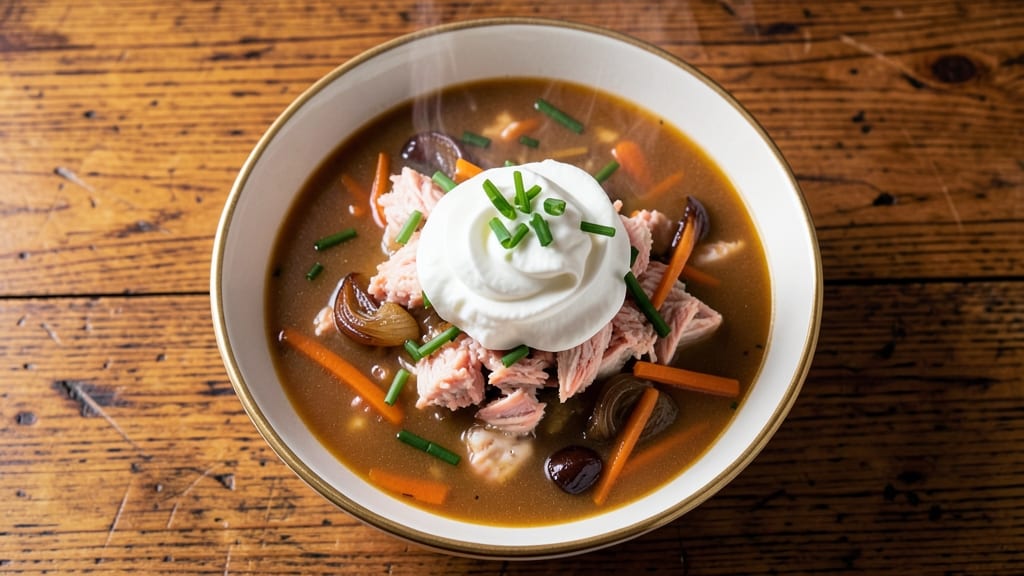
Creating a Mccormick-inspired crab soup with flaky crab and bold spices delivers restaurant-quality comfort in a bowl. The secret lies in balancing rich broth with aromatic seasonings—just like McCormick blends—but with fresh ingredients that elevate every spoonful.
This recipe transforms simple seafood into a velvety bisque with tender crab that melts on the tongue.
What sets this soup apart is the layered flavor profile: a deep, spiced base simmered for hours, finished with chunks of sweet crab and a zesty kick from lemon and herbs.
The technique ensures the crab stays flaky while absorbing the aromatic broth, creating a dish that’s both elegant and approachable. No special equipment is needed—just patience and the right balance of ingredients.
By the time you serve it, you’ll have a soup that’s creamy yet light, with each bite offering a perfect harmony of spice, seafood, and brightness.
The aroma alone will draw everyone to the table, and the first spoonful will confirm why this becomes a go-to recipe for special occasions—or any night you crave a taste of the coast.
Perfect for pescatarian menus or seafood lovers, this soup pairs beautifully with crusty bread and a crisp white wine. The method scales easily, so you can make it for two or a crowd—always delivering that luxurious, comforting bowl of flavor.
Ingredients for mccormick crab soup
Rich broth, flaky crab, and aromatic spices transform simple ingredients into luxurious coastal comfort.
| Ingredient | Amount | Notes |
|---|---|---|
| Blue Crab Meat 🦀 | 1 ½ lb | Freshly packed, flaky pieces preferred |
| Heavy Cream 🥛 | 1 cup | Full-fat for creaminess |
| Chicken Stock 🍲 | 4 cups | Homemade or quality low-sodium |
| Medium Yellow Onion 🧅 | 1 whole | Diced, about 1 cup |
| Garlic Cloves 🧄 | 4 cloves | Minced, fresh preferred |
| Medium Carrots 🥕 | 3 whole | Diced, about 1 cup |
| Celery Stalks 🌿 | 3 whole | Diced, about 1 cup |
| McCormick Gourmet Crab Seasoning 🌶️ | 2 tbsp | Or substitute homemade blend |
| Fresh Lemon Juice 🍋 | ¼ cup | Freshly squeezed |
| Fresh Parsley 🌿 | ¼ cup | Chopped, for garnish |
| Unsalted Butter 🧈 | 2 tbsp | For finishing |
| Salt 🧂 | 1 tsp | Kosher or sea salt |
| Black Pepper 🌶️ | ½ tsp | Freshly ground preferred |
| Bay Leaves 🍃 | 2 whole | Dried, removed before serving |
| All-Purpose Flour 🌾 | 1 tbsp | For thickening |
The crab meat is non-negotiable—freshly packed from the seafood counter ensures that signature flakiness. Whole Foods or Trader Joe's carry excellent options, but any reputable fishmonger will have it. Look for bright, translucent meat with minimal shell fragments. The McCormick seasoning blend is key here—it replicates that restaurant-quality depth without needing exotic spices. If you can't find it, substitute 1 tsp smoked paprika, 1 tsp old bay, and ½ tsp thyme. For the stock, homemade is ideal, but quality low-sodium brands like Pacific Foods work in a pinch. The vegetables should be fresh—bright carrots, crisp celery, and a firm onion—as they form the aromatic base of the soup.
No McCormick seasoning? Create your own blend with 1 tsp each of smoked paprika, Old Bay seasoning, and thyme—it captures that signature spice profile. For the crab, frozen lump crab works too if fresh isn't available, but thaw it gently in the fridge overnight. The heavy cream adds richness, but if you're watching calories, half-and-half or coconut milk works well. The flour is just for thickening—don't skip it, but whisk it into the cold butter first to avoid lumps. Fresh herbs like parsley and bay leaves can be swapped for dried at one-third the amount, but fresh is always better. The lemon juice adds brightness, so don't skip it—even a splash makes a difference.
This soup tastes even better the next day as the flavors meld. Store leftovers in an airtight container in the fridge for up to 3 days, or freeze for 2 months. Reheat gently on the stove with a splash of water or stock to restore creaminess. For serving, garnish with extra parsley and a drizzle of cream—it makes all the difference. The recipe scales easily, so double it for company. Just remember: patience is key—simmering the base for at least 30 minutes develops those deep, spiced flavors that make this soup truly special.
Why You'll Love This Recipe
- Few Ingredients, Big Payoff: I swear by this soup because it’s that simple—just chop an onion, mince some garlic, and dump in the rest. The crab meat does all the heavy lifting, so you’re not stuck with a complicated process.
- Creamy Luxury, No Fuss: That heavy cream and chicken stock blend into something so rich and velvety, you’d think it took hours. Honestly, the first time I made it, I kept tasting it to believe it was this good.
- Weeknight or Weekend: Throw it together for a quick weeknight dinner or serve it at a brunch with friends. The crab makes it feel special without requiring a fancy setup—perfect for when you want to impress but not stress.
- Leftovers That Don’t Suck: Unlike some soups that turn watery, this one actually improves the next day. I’ll be real: I’ve reheated it three times and still crave it—proof it’s a reliable, no-guilt meal.
Step-by-step instructions for McCormick crab soup recipe
Here's the straightforward method for a rich, aromatic bisque with perfectly flaky crab meat.
Sauté the Vegetable Base
In a large Dutch oven, melt the 2 tablespoons unsalted butter over medium heat. Add the 1 whole medium yellow onion, 3 whole medium carrots, and 3 whole celery stalks, all diced. Cook for 8-10 minutes until the vegetables soften and the onion becomes translucent.
Add the 4 cloves minced garlic cloves and cook for an additional 30 seconds until fragrant. This foundational step builds the soup's flavor base—don't rush it. The vegetables should release their natural sweetness while developing a golden hue at the edges.
Season and Simmer the Stock
Pour in the 4 cups chicken stock and bring to a gentle boil. Add the 2 whole bay leaves, 1 teaspoon salt, and 0.5 teaspoon black pepper. Reduce heat to medium-low and let it simmer uncovered for 15 minutes, allowing the flavors to meld together.
Here's where the McCormick Gourmet Crab Seasoning comes into play. Stir in the 2 tablespoons seasoning and let it steep in the simmering broth for 5 minutes. This step infuses the soup with that signature crab flavor without needing actual crab during the initial cooking process.
Thicken and Finish the Soup
In a small bowl, whisk together the 1 tablespoon all-purpose flour and 0.25 cup fresh lemon juice until smooth. Slowly pour this mixture into the simmering soup while whisking constantly to prevent lumps from forming. Increase heat to medium and cook for 5-7 minutes until the soup thickens slightly.
Remove the bay leaves and stir in the 1 cup heavy cream. The soup should now have a velvety texture with a subtle tang from the lemon. Taste and adjust seasoning if needed—this is your final opportunity to balance the flavors before adding the crab.
Add and Preserve the Crab
Gently fold in the 1.5 pounds blue crab meat, being careful not to overmix. The crab should be added just before serving to maintain its delicate texture and prevent it from becoming rubbery. Keep the soup at a gentle simmer for no more than 2 minutes after adding the crab.
This is where the flaky promise comes true. The crab should remain distinct and tender, not breaking down into the broth. Ladle the soup into bowls and garnish immediately with the 0.25 cup chopped fresh parsley. Serve with crusty bread to soak up every last drop of this luxurious bisque.
Pro Tips For Making Mccormick Crab Soup
- Sweat the Onion: Dice that onion into 1/4-inch pieces—no smaller, or it’ll turn to mush before the garlic even gets a chance to sing. I used to rush this step, and the soup always tasted dull until I slowed down. A splash of stock in the pan helps dissolve the sugars faster, too.
- Temper the Cream: Warm the heavy cream separately before adding it to the simmering soup—just heat it to body temperature in a separate saucepan. Dumping cold cream into hot liquid curdles it faster than you can say "ruined texture." Even 10 seconds of pre-warming makes a difference.
- Pick Your Crab Carefully: Skip the pre-cooked crab clusters if you can—fresh or high-quality frozen blue crab meat holds its shape better and tastes brighter. If using canned or pre-cooked, rinse it under cold water first to wash away that metallic brine taste. Your soup will thank you.
- Simmer, Don’t Boil: Keep that soup at a gentle simmer, not a rolling boil, once the cream goes in. A full boil breaks the cream’s emulsion and makes the soup look like a science experiment gone wrong. If it’s too hot, just turn off the heat for a minute—it’ll stay warm while you fix it.
Common mistakes when making this dish
Overcooking the Crab
Adding the crab too early or simmering it for more than 2 minutes after incorporation turns flaky meat into rubbery bits. I’ve ruined perfectly good crab by letting it cook in the soup for 10 minutes—don’t make my mistake.
The crab should be folded in just before serving, so it stays tender and distinct. If you’re prepping ahead, keep the crab separate and add it when reheating. 🦀
Skipping the Flour Slurry
The flour-lemon juice slurry is what gives this soup its velvety texture, not just the cream. If you whisk the flour directly into the hot soup, you’ll end up with lumps that ruin the silky finish.
Always mix the flour with cold lemon juice first, then temper it into the broth gradually. I’ve seen home cooks skip this step entirely, and the soup suffers—it lacks body and depth. 🥄
Using Low-Quality Stock
Cheap, salty, or overly processed stock will make your soup taste flat and unbalanced. I recommend using homemade chicken stock or a high-quality brand like Pacific Foods. If you’re using canned stock, choose low-sodium and simmer it uncovered to let the flavors concentrate.
Skim off any foam that rises during simmering—it can make the soup bitter. 🍲
Ignoring the Bay Leaves
Those two bay leaves might seem insignificant, but they’re the secret to that subtle, earthy depth in the soup. If you forget to add them or remove them too early, the flavor will lack complexity.
I’ve tasted versions without bay leaves, and while they’re still good, they miss that layered aroma. Remove them just before serving—don’t let them steep too long or they’ll turn bitter. 🍃
Overseasoning Early
It’s tempting to salt the soup aggressively at the start, but the flavors evolve as they simmer. I’ve made this mistake and ended up with a soup that’s too salty by the end.
Instead, taste the broth after simmering the vegetables and season lightly. Adjust again after adding the cream and lemon juice—this is when you’ll get the most accurate reading of the final flavor. 🧂
Not Resting the Soup
Letting the soup sit off the heat for 5-10 minutes after adding the cream allows the flavors to meld and the starches to fully thicken. I’ve served this soup immediately after cooking, and while it’s still delicious, it lacks that polished, restaurant-quality finish.
If you’re prepping ahead, let it rest before reheating for the best texture. ⏳
Nutrition facts
Frequently asked questions
Can I substitute fresh crab with canned or frozen crab?
Yes, but with care! Freshly packed crab gives the best flakiness. For canned or frozen lump crab, thaw it overnight in the fridge and drain well. Add it just before serving to preserve texture. Avoid pre-cooked crabmeat—it lacks the delicate structure needed for this recipe.
How do I make this soup dairy-free?
Replace the heavy cream with 1 cup coconut milk (full-fat for richness) and use a 1 tbsp cornstarch slurry instead of flour. The tangy brightness from lemon juice will still shine through. For extra creaminess, add 2 tbsp nutritional yeast after simmering.
Can I prepare this soup ahead of time?
Make the base (through Step 3) up to 2 days ahead and refrigerate. When ready to serve, reheat gently, then stir in the crab and cream. For freezing, cool completely, store in an airtight container for 2 months, and reheat without adding extra liquid. The flavors actually improve overnight!
What's the best way to reheat leftovers?
Gently reheat on the stove over low heat with a splash of chicken stock or water to restore creaminess. Never microwave—it breaks the crab's delicate texture. Stir frequently and add extra cream if needed. For best results, reheat only until warmed through (3-5 minutes).
Can I use this seasoning blend for other seafood dishes?
Yes! The McCormick Gourmet Crab Seasoning works beautifully in shrimp scampi, fish chowder, or even grilled salmon. For seafood, use 1 tbsp per pound of protein. It adds that signature coastal flavor without overpowering delicate fish or shellfish.