
Soups & Stews
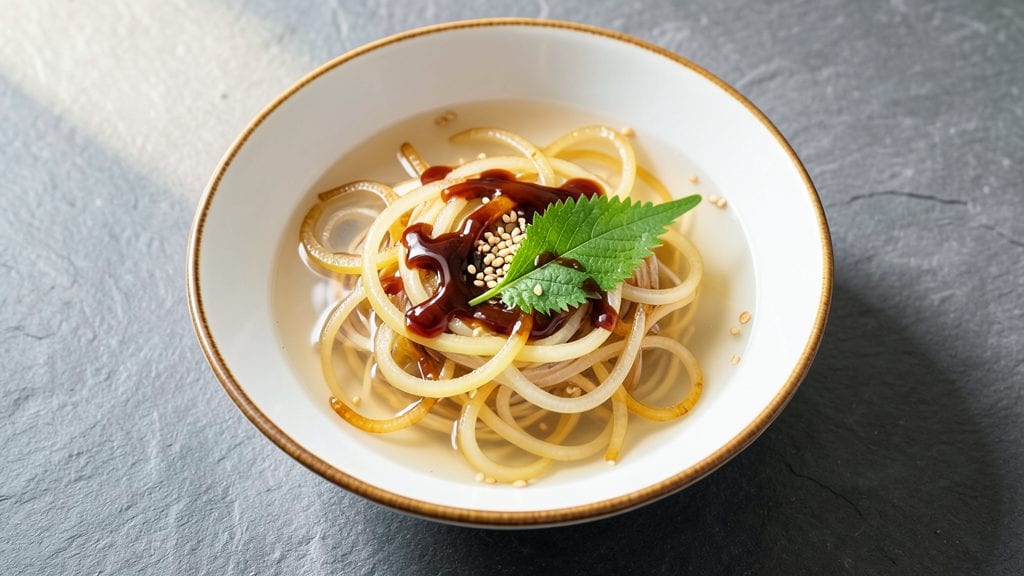
This Japanese clear onion soup recipe transforms simple ingredients into a delicate, umami-rich masterpiece where silky onion threads melt into a light, aromatic broth. The secret lies in slow-cooking onions until they dissolve into golden threads, creating a dish that's both comforting and refined.
I developed this version after years of perfecting the balance between traditional dashi broth and modern convenience—using vegetable stock for those who prefer plant-based options.
The beauty of clear onion soup is its simplicity: just onions, broth, and a touch of soy sauce to deepen the flavor. What sets this apart is the technique—cooking onions at low heat until they caramelize and break down into delicate strands that coat your spoon.
The result is a soup that's light enough for summer but warm enough for winter, with layers of savory depth that linger on your palate.
What you'll end up with is a bowl of golden broth filled with silky onion threads and subtle umami notes that make every sip satisfying. The texture is what truly elevates this dish: tender, almost translucent onion strands that dissolve with the first spoonful, leaving behind a clean, comforting broth.
This is the kind of soup that feels like a hug in a bowl—simple yet deeply flavorful.
Whether you're following tradition with dashi or adapting with vegetable stock, the method remains the same: patience and precision. Serve it steaming hot with a sprinkle of green onions for freshness, or enjoy it as-is for a dish that's as elegant as it is easy.
Let's create this umami-packed masterpiece together.
Ingredients for japanese clear onion soup
Simple ingredients that transform into golden, silky onion threads in aromatic broth.
| Ingredient | Amount | Notes |
|---|---|---|
| Yellow Onions 🧅 | 4 whole | Thinly sliced, large size preferred |
| Dashi Broth 🍜 | 4 cups | Store-bought or homemade preferred |
| Vegetable Stock 💧 | 2 cups | For plant-based option, low-sodium |
| Soy Sauce 🍶 | 1 tbsp | Japanese preferred, low-sodium okay |
| Mirin 🍶 | 1 tbsp | Sweet rice wine, not imitation |
| Sake 🍶 | 1 tbsp | Dry variety, room temperature |
| Green Onions 🧅 | 2 whole | Thinly sliced, for garnish |
| Sesame Oil 🫒 | ½ tsp | Toasted, for finishing |
| Salt 🧂 | ½ tsp | Kosher or sea salt |
| White Pepper 🌶️ | ¼ tsp | Freshly ground preferred |
| Butter 🧈 | 1 tbsp | Unsalted, for richness |
The onions are the star—yellow onions work best for that sweet, caramelized flavor. Grab the largest ones you can find at Whole Foods or your local Asian market, since they slice thinner. If you're using store-bought dashi, Hondashi or Marukome brands are reliable. For homemade, bonito flakes and kombu make all the difference. The vegetable stock? Low-sodium is key—we're building layers of flavor here, not salt bombs. And don't even think about pre-sliced onions (the good stuff, not the pre-shredded kind).
No dashi? Vegetable stock plus 1 tsp dried kombu gets you close. Short on mirin? Substitute 1/2 tbsp sugar plus 1/2 tbsp water. The soy sauce is non-negotiable though—Japanese brands like Kikkoman have that perfect balance. Sesame oil is for finishing, but if you're avoiding it, a pinch of toasted sesame seeds works too. The butter at the end? Trust me on the full-fat version—it adds a luxurious mouthfeel that makes this feel restaurant-quality.
This soup tastes even better the next day—honestly, the flavors meld and deepen. Keeps 4-5 days in the fridge, but the texture gets softer after day 2. Freezes beautifully for 3 months if you make a big batch. I always double the recipe and portion it into containers so I can grab a bowl straight from the fridge on busy mornings. The green onions? Add them fresh when serving—they keep their crunch that way.
Why You'll Love This Recipe
- No Chopping Chaos: I swear by this recipe because you only need to slice those onions once—thin, even rings that soften just enough to melt in your mouth. No dicing, no stress, and no crying over onions (well, maybe a little).
- Umami Magic: That combo of dashi, soy, and mirin? It’s like a flavor explosion in a bowl. The broth is rich but light, the onions caramelize just enough to add sweetness, and the soy gives it that deep, savory punch—no heavy cream or complicated spices needed.
- Weeknight & Leftovers Hero: I make a big pot on Sunday, and it’s my secret weapon for busy nights. The soup reheats beautifully, and the flavors actually get better the next day—perfect for meal prep or when you’re too tired to cook.
- Pocketbook-Friendly Perfection: Dashi and veggie stock stretch forever, and onions are cheap. A single batch feeds four for under $5, and the ingredients last for multiple meals. Honestly? This is one of those recipes that makes me feel like I’m eating fancy without breaking the bank.
Step-by-step instructions for Japanese clear onion soup
This light yet deeply flavorful soup comes together in simple steps—focus on patience and precision.
Slice the Yellow Onions for Silky Threads
Peel and trim the 4 whole yellow onions, then slice them lengthwise into quarters. Place each quarter flat-side down on a cutting board and make thin, even slices—about 1/16-inch thick—starting from the root end. You want delicate, translucent strands that will melt beautifully in the broth. Work quickly to prevent browning, and keep the slices separate to avoid sticking.
Here's the thing—don't rush this step. The thinner and more uniform your slices, the more elegant your soup will look and taste. I like to stack a few slices at a time and cut through them together for consistency. Once sliced, set them aside in a bowl—they'll soften slightly as they sit, which helps them release their sweetness into the broth later.
Build the Flavorful Broth Base
In a medium saucepan, combine the 4 cups dashi broth and 2 cups vegetable stock. Bring to a gentle simmer over medium heat—you should see small bubbles forming at the edges but no vigorous boiling. Add the 1 tablespoon soy sauce, 1 tablespoon mirin, and 1 tablespoon sake, stirring to dissolve completely. The mirin will add a subtle sweetness, while the sake deepens the umami without overpowering.
Let the broth simmer for 5 minutes to allow the flavors to meld. You'll notice the aroma become more complex—this is where the magic happens. Taste the broth at this point. It should be clean and savory, with just a hint of sweetness from the mirin. If it needs more depth, add a pinch of the 0.5 teaspoon salt now, but don't overdo it—the soy sauce already provides plenty of saltiness.
Cook the Onions Until Tender and Translucent
Add the sliced yellow onions to the simmering broth. Stir gently to distribute them evenly, then reduce the heat to low. Cover the pan with a lid and let the onions cook for 15 minutes. The goal is to soften them just enough that they become tender when bitten but still hold their shape—think "al dente" but for onions. They should look like delicate, pale threads floating in the broth.
After 15 minutes, check the onions with a fork. They should pierce easily but still offer a slight resistance. If they're browning too quickly, reduce the heat further or move the pan to a cooler part of the stovetop. The broth should be fragrant with onion sweetness now—this is when you know you're on the right track. If the broth reduces too much during cooking, add 1/4 cup water to maintain the right consistency.
Finish with Butter and Seasoning
Remove the pan from heat and stir in the 1 tablespoon butter. Let it melt completely, then add the 0.5 teaspoon salt and 0.25 teaspoon white pepper. The butter adds a luxurious richness that balances the lightness of the broth. Taste and adjust the seasoning—you might find the salt is perfect as-is, but the white pepper adds a subtle warmth that complements the onion's natural sweetness.
Here's where it gets fun—return the soup to low heat just until it's steaming again, then stir in the 0.5 teaspoon sesame oil. The oil will rise to the surface, creating a delicate sheen. This is your signal that the soup is ready to serve. The sesame oil adds a nutty aroma and ties all the flavors together beautifully. Don't skip this step—it's what elevates this simple soup to something truly special.
Garnish and Serve Immediately
Divide the soup among 4 bowls, then garnish each serving with thin slices of the 2 whole green onions. The bright green color contrasts beautifully with the pale onion threads and adds a fresh, crisp finish. Serve the soup while it's still steaming hot—this is when the flavors are at their peak. Each spoonful should deliver that perfect balance of sweet, savory, and umami, with the silky onion threads melting on your tongue.
For an extra touch, you can drizzle a little more sesame oil on top just before serving. The soup tastes even better the next day, but the texture of the onions will be slightly softer, so enjoy it fresh for the best experience. Pair it with steamed rice or a simple side salad to complete your meal.
Pro Tips For Making Japanese Clear Onion Soup
- Slice Onions Thinly: Grab a sharp knife and cut the yellow onions into paper-thin rings—about 1/16-inch thick. Thicker slices won’t soften properly and will leave you with a chewy, unsatisfying bite. I learned this the hard way after serving a bowl where half the onions were still crunchy.
- Simmer, Don’t Boil: Keep the broth at a gentle simmer—just small bubbles breaking the surface—once the onions are added. Boiling will turn the soup cloudy and bitter, ruining the delicate clarity. I used to rush it, and the result was always murky and harsh.
- Balance the Mirin: Add the mirin last, just before serving, and taste first—it’s sweeter than you think. Too much makes the soup cloying, while too little leaves it flat. I now keep a small bowl of it nearby to adjust as I go, especially if the soy sauce is salty.
- Strain the Dashi: If your dashi has solids (like kombu or bonito flakes), strain it twice—once before simmering with the stock, and again after reducing. Even tiny bits will cloud the soup and make it taste off. I skip this step sometimes, and the difference is noticeable.
Creative variations of this recipe
Winter Comfort Version
Swap the delicate dashi for a rich miso broth—mix 2 tablespoons red miso paste with 4 cups hot dashi (or vegetable stock) and whisk until smooth.
Simmer the onions in this deeper, earthier broth for 20 minutes instead of 15, then finish with 1 teaspoon toasted sesame seeds and a drizzle of yuzu kosho for a tangy kick. The miso adds a hearty depth perfect for chilly evenings. 🌬️
Spicy Sesame Kick
For a bold twist, add 1 teaspoon gochujang (Korean chili paste) to the broth while simmering the onions. Finish with a swirl of chili oil and extra sesame seeds.
The heat cuts through the sweetness beautifully—balance it with a pinch of sugar if needed. This version pairs perfectly with steamed dumplings for a satisfying meal. 🌶️
Vegetarian Umami Boost
Replace dashi with a shiitake mushroom broth—simmer 8 dried shiitake mushrooms in 4 cups water for 30 minutes, then strain. Add 1 tablespoon soy sauce and 1 tablespoon mirin to the broth.
The mushrooms deliver a deep, savory punch that mimics dashi’s umami perfectly. Garnish with thinly sliced shiitake caps for extra texture. 🍄
Creamy Garlic Twist
Stir in 2 minced garlic cloves with the onions and cook for an extra 5 minutes. Finish with 1 tablespoon heavy cream (or coconut milk for dairy-free) and a pinch of black pepper.
The garlic adds a warm, aromatic layer, while the cream rounds out the flavors. Serve with crusty bread to soak up every drop. 🧄
Herb-Infused Freshness
Add 1 tablespoon chopped tarragon or thyme to the broth while simmering the onions. Finish with a sprinkle of fresh parsley and a squeeze of lemon juice.
The herbs brighten the dish, making it feel lighter and more refreshing—ideal for spring or summer. Pair with grilled fish for a complete meal. 🌿
Nutrition facts
Frequently asked questions
Why does this Japanese onion soup turn so clear?
The clarity comes from slow-cooking thin onion slices at low heat until they soften into delicate threads. The broth's gentle simmer prevents onions from browning, while the butter and sesame oil create a silky finish. The secret is patience—rushing makes the soup cloudy.
Can I make this soup without dashi?
Use 4 cups vegetable stock plus 1 tsp dried kombu (simmered 10 minutes) for umami depth. For extra richness, add 1/2 cup coconut milk at the end. The texture stays light but gains a plant-based depth.
How do I fix onions that turn mushy?
Overcooking is the culprit. Remove the pot from heat immediately if onions soften too quickly. For next time, reduce heat to lowest setting and cook 12-15 minutes max. The goal is tender-but-firm strands that dissolve with a sip.
Is this soup gluten-free?
Only if using gluten-free soy sauce and tamari. Traditional Japanese soy sauce contains wheat. For strict GF, substitute with coconut aminos (1 tbsp) plus 1/2 tsp gluten-free mirin. The flavor remains balanced.
Can I prep this ahead of time?
Yes! Assemble everything except butter and sesame oil, then refrigerate 2 days. Reheat gently, stir in butter/oil last minute. Freeze for 3 months: thaw overnight, then simmer 5 minutes before serving. The onions stay silky when reheated properly.