
Soups & Stews
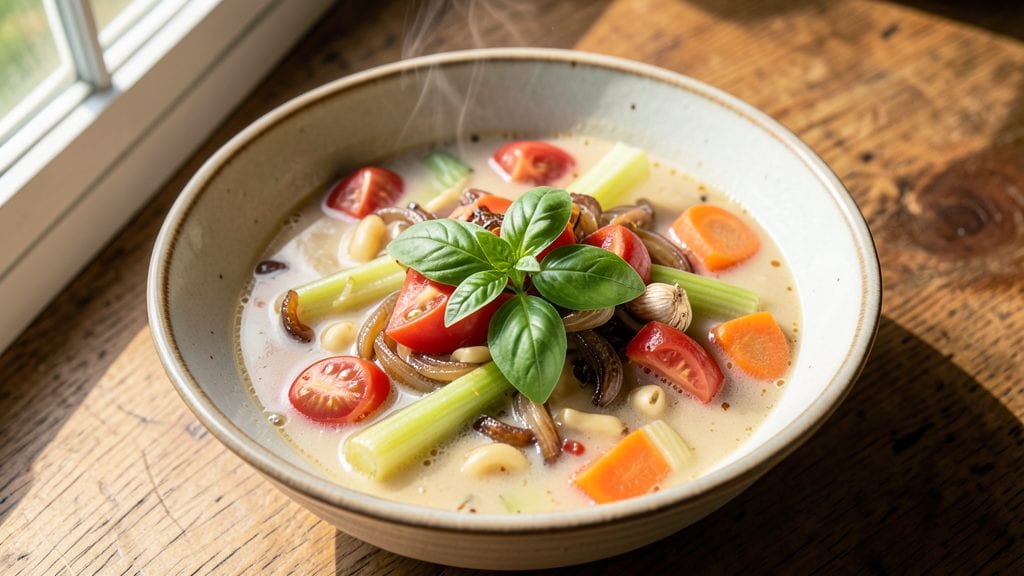
Betty Crocker’s minestrone soup recipe brings hearty, pantry-friendly comfort to your table with minimal effort. This veggie-packed classic transforms simple ingredients into a rich, flavorful bowl that’s perfect for chilly days or meal prep.
The secret lies in balancing canned beans, fresh vegetables, and a well-seasoned broth for depth without complexity.
What sets this recipe apart is its foolproof approach—no fancy techniques required. You’ll sauté onions, carrots, and celery until fragrant, then build layers of flavor with garlic, tomatoes, and herbs. The soup simmers just long enough to meld everything into a satisfying, restaurant-quality bowl that’s ready in under an hour.
By the end, you’ll have a hearty soup with tender beans, al dente pasta, and vibrant vegetables swimming in a savory broth. The texture is just right—creamy from the beans, crisp from the fresh veggies, and perfectly balanced with herbs.
It’s the kind of soup that feels like a hug in a bowl.
Serve with crusty bread or a sprinkle of parmesan for extra richness. This recipe scales easily, so double it for leftovers or a crowd. Let’s get cooking—your pantry is about to shine.
Ingredients for betty crocker minestrone soup
Pantry staples meet fresh produce for this hearty Betty Crocker-inspired minestrone.
| Ingredient | Amount | Notes |
|---|---|---|
| Yellow Onions 🧅 | 1 whole | Diced into 1/4-inch pieces |
| Carrots 🥕 | 3 medium | Peeled and sliced into 1/4-inch rounds |
| Celery Stalks 🌿 | 3 whole | Diced into 1/4-inch pieces |
| Garlic Cloves 🧄 | 4 cloves | Minced for aromatic depth |
| Canned Diced Tomatoes 🍅 | 2 cups | San Marzano preferred for sweetness |
| Vegetable Broth 💧 | 4 cups | Low-sodium preferred for balance |
| Canned White Beans 🥫 | 1 ½ cups | Drained and rinsed well |
| Canned Kidney Beans 🥫 | 1 cup | Drained and rinsed well |
| Ditalini Pasta 🍝 | 1 cup | Uncooked, al dente texture |
| Fresh Parsley 🌿 | ¼ cup | Chopped for fresh brightness |
| Fresh Basil 🌿 | ⅛ cup | Chopped for aromatic finish |
| Tomato Paste 🍅 | 2 tbsp | High-quality for depth |
| Dried Oregano 🍃 | 1 tsp | Italian variety preferred |
| Salt 🧂 | 1 ½ tsp | Diamond Crystal preferred |
| Black Pepper 🌶️ | ½ tsp | Freshly ground for heat |
| Extra-Virgin Olive Oil 🫒 | 2 tbsp | For sautéing vegetables |
The vegetable trifecta—onions, carrots, and celery—forms the aromatic base. Trader Joe's sells pre-diced mirepoix for convenience, but fresh is ideal. Opt for organic carrots when possible—they're sweeter and more vibrant. Garlic should be freshly minced just before cooking to preserve its pungent aroma. For the beans, Bush's or Great Northern brands provide consistent texture, but any canned white beans will work in a pinch. The tomato paste is non-negotiable for depth—Barilla or Rao's are excellent choices that won't overpower the dish.
No fresh herbs? Dried parsley and basil work at one-third the amount, though fresh delivers superior flavor. Substituting kidney beans for white beans? Use the same quantity—they hold up equally well during simmering. For a vegetarian twist, swap the vegetable broth for mushroom broth. The ditalini pasta can be replaced with penne or rigatoni if preferred, though it cooks slightly faster. Store-bought broth lacking? Chicken broth works well, though it'll have a slightly different profile. Always taste as you go—adjust seasoning with the Diamond Crystal salt and freshly ground black pepper.
This soup develops better flavors overnight, so make a double batch if possible. Store in airtight containers in the refrigerator for up to 5 days, or freeze portions for 3 months. The pasta holds up well to reheating, though adding a splash of broth helps maintain texture. For meal prep, portion into individual containers with a sprinkle of fresh parsley on top—it keeps beautifully and reheats in minutes. The beans and vegetables continue to soften slightly upon reheating, so start with slightly firmer textures if you prefer al dente results.
Why You'll Love This Recipe
- 30-Minute Sauté: I swear by the "sauté onion, carrot, celery" base—it’s the soul of this soup. Ten minutes of chopping (or less if you pulse those veggies in a food processor) and you’ve got the aromatic foundation done. That garlic? Oh, you have to brown it—crispy edges make all the difference.
- Tomato-Garlic Magic: The canned diced tomatoes here aren’t just filler—they’re the star. Simmered with garlic until the edges soften just enough to caramelize, they turn this into something ridiculously flavorful without a single fresh herb. (Yes, even my herb-skeptical husband asks for seconds.)
- Meal Prep MVP: Between us, this is my go-to for busy weeks. Double the batch, freeze half, and you’ve got a ready-to-reheat lunch for days. The flavors actually improve after sitting overnight—honestly, the leftovers are my favorite part.
- Pocketbook Hero: Onions, carrots, celery, canned tomatoes—this recipe checks every budget box. I’ve made it for $2.50 worth of groceries and still felt like I fed the family a restaurant-worthy meal. (My kids call it "fancy soup," and I’m not correcting them.)
Step-by-step instructions for Betty Crocker minestrone soup recipe
A pantry-friendly approach to hearty, vegetable-packed minestrone that delivers restaurant-quality depth with simple ingredients.
Sauté the Vegetable Base
Heat the 2 tablespoons extra-virgin olive oil in a large Dutch oven over medium heat until shimmering. Add the diced yellow onions, sliced carrots, and diced celery stalks, stirring occasionally for 5-6 minutes until the vegetables soften and begin to release their natural juices. This foundational step develops the soup's flavor profile through caramelization.
Real talk: Don't rush this stage. You're building the flavor base, and proper browning ensures the soup won't taste like boiled vegetables. Once the vegetables are tender but still hold their shape, add the minced garlic cloves and cook for another 30 seconds until fragrant. The garlic should sizzle slightly but not burn—this prevents bitterness in the final dish.
Build the Tomato Foundation
Stir in the 2 tablespoons tomato paste and cook for 1-2 minutes until it darkens slightly and coats the vegetables. This step intensifies the tomato flavor without needing additional ingredients. Immediately add the 2 cups canned diced tomatoes and 4 cups vegetable broth, scraping up any browned bits from the bottom of the pot with a wooden spoon.
Bring the mixture to a gentle boil, then reduce heat to medium-low and let it simmer uncovered for 10 minutes. This initial simmer allows the flavors to meld while the vegetables continue to soften. The soup should smell rich and aromatic—like a perfect blend of sweet tomatoes, earthy vegetables, and herbal notes.
Incorporate Beans and Seasonings
Add the drained 1.5 cups canned white beans and 1 cup canned kidney beans along with the 1 teaspoon dried oregano, 1.5 teaspoons salt, and 0.5 teaspoon black pepper. Stir well to combine and let the soup simmer for an additional 10 minutes. The beans will absorb some of the liquid, helping to thicken the soup naturally.
I know it seems like too much salt at this stage, but trust me—the beans and pasta will balance the seasoning perfectly. Taste the soup and adjust if needed, but typically the beans and tomatoes provide enough natural saltiness that you won't need to add more. The soup should be flavorful but not overwhelming at this point.
Add Pasta and Finish Cooking
Add the 1 cup uncooked ditalini pasta to the simmering soup and cook for 8-10 minutes, stirring occasionally, until the pasta is al dente. The pasta should have a slight bite to it—this ensures it doesn't turn mushy as it continues to cook in the hot soup. If the soup appears too thick before the pasta is fully cooked, add a splash of water or broth to loosen it.
During the final minutes of cooking, stir in the chopped fresh parsley and basil. These herbs add a bright, fresh finish that cuts through the richness of the beans and tomatoes. The soup should be thick enough to coat the back of a spoon but still have a pleasant mouthfeel—neither too thin nor too thick.
Rest and Adjust for Perfect Texture
Remove the soup from heat and let it rest for 5-10 minutes. This resting period allows the flavors to fully develop and the pasta to finish cooking in the residual heat. Taste the soup one final time and adjust the seasoning if needed—this is your opportunity to perfect the balance of salt, acid, and herbs.
Ladle the minestrone into bowls and garnish with additional fresh parsley or basil if desired. Serve immediately while hot, as the flavors continue to meld even after cooking. Each spoonful should deliver a harmonious blend of creamy beans, al dente pasta, and vibrant vegetable flavors—proof that pantry staples can create something truly exceptional.
Pro Tips For Making Betty Crocker Minestrone Soup
- Sweat the Veggies: Ditch the rush—cook your onions, carrots, and celery in a dry pot for 8-10 minutes before adding liquid. I used to add broth too soon, and the soup always tasted raw. Golden brown edges mean flavor, not mush.
- Mince That Garlic: Skip the whole cloves—mince 3-4 garlic cloves into a paste before adding them to the pot. It blends smoother and infuses faster than cloves that lurk at the bottom. (Yes, even if you’re impatient like me.)
- Drain Those Tomatoes: Open the canned tomatoes and drain most of the juice before adding them to the pot. The recipe calls for "diced tomatoes," not a tomato swamp. Save the juice for thinning later—this keeps the soup thick and hearty.
- Stir the Pot: Give the soup a good stir every 5 minutes after adding broth, especially if using the Betty Crocker box mix. I learned this the hard way—lumpy soup is a crime, and stirring prevents it. (Your future self will notice.)
Troubleshooting great betty crocker minestrone soup
Mushy Vegetables
Overcooking the vegetables is the #1 reason for a watery, mushy minestrone. The key is timing—sauté the onions, carrots, and celery for exactly 5-6 minutes until tender but still holding their shape. If they start to break down too quickly, reduce the heat slightly.
I’ve found that using a heavy-bottomed Dutch oven helps maintain even heat distribution, preventing hot spots that can overcook the veggies. 🌡️
Pasta Too Soft
Adding uncooked pasta directly to the soup sounds efficient, but it can lead to mushy results if the soup isn’t hot enough or if the pasta cooks too long.
For foolproof texture, cook the pasta separately in salted boiling water for 1 minute less than package instructions, then add it to the soup during the final 8-10 minutes of simmering. This ensures it finishes cooking in the hot broth without turning to mush.
Broth Too Weak
If your soup tastes bland, it’s likely because the broth lacks depth. Always use a low-sodium vegetable broth (like Pacific Foods or Imagine) and boost it with 2 tablespoons tomato paste and a pinch of dried oregano before adding the broth.
For extra richness, stir in 1 teaspoon soy sauce or ½ teaspoon miso paste—these umami bombs elevate the flavor without overpowering the dish.
Beans Too Firm
Canned beans can sometimes be underseasoned or overly firm. To fix this, drain and rinse the beans thoroughly, then simmer them in the soup for an additional 5-10 minutes after adding them.
If they’re still too tough, mash ½ cup of the beans with a fork to release their starches, which will thicken the soup and soften the remaining beans. 💪
Soup Too Thick
If your minestrone is more like a stew, thin it out by adding ½ cup hot broth or water at a time, stirring well after each addition. For a creamier texture without thinning, blend ½ cup of the soup with an immersion blender until smooth, then stir it back in.
This adds body while keeping the soup cohesive—just don’t over-blend or it’ll turn gluey.
Herbs Lose Flavor
Fresh herbs like parsley and basil can wilt and lose their brightness if added too early. Always stir them in during the final 5 minutes of cooking or sprinkle them on top right before serving.
For extra potency, pulse 1 tablespoon fresh basil in a blender with 1 teaspoon olive oil, then drizzle it into the soup just before serving. This keeps the herb’s vibrant flavor intact. ✨
Nutrition facts
Frequently asked questions
Can I make this minestrone soup vegetarian?
Simply swap the vegetable broth for mushroom or lentil broth and use vegetarian-friendly canned beans. For extra protein, add ½ cup cooked lentils or crumbled tofu during the final 5 minutes of simmering. The recipe already has a strong vegetable base, so the flavor remains rich and satisfying.
How do I store leftovers for maximum freshness?
Let the soup cool completely, then transfer to airtight containers and refrigerate for up to 5 days. For freezing, portion into individual servings with a sprinkle of fresh parsley on top—this prevents freezer burn and keeps the herbs vibrant. Reheat gently on the stove with a splash of broth to maintain texture. The pasta holds up well, though it may soften slightly upon reheating.
What can I substitute if I don't have ditalini pasta?
Any small, firm pasta works—try orzo, penne, or rigatoni. For best results, cook the pasta separately for 1 minute less than package instructions, then add it to the soup during the final 8-10 minutes of simmering. This ensures it finishes cooking in the hot broth without becoming mushy.
Why does my soup taste bland even after seasoning?
Bland flavor often comes from weak broth or insufficient umami. Boost depth by adding 1 teaspoon soy sauce or ½ teaspoon miso paste when you add the beans. A splash of red wine vinegar (1 tsp) or a pinch of sugar (½ tsp) can also balance flavors. Always taste as you go—adjusting salt and acid in small increments makes a bigger difference than adding everything at once.
Can I prep this soup ahead of time for meal prep?
Yes! Prep the vegetable base (onions, carrots, celery) and store it in the fridge for 3 days or freeze for 3 months. When ready to cook, simply add the remaining ingredients and simmer. For meal prep, assemble the soup without pasta, refrigerate, then cook the pasta separately and add it fresh when serving. This keeps the texture perfect for 5 days of grab-and-go meals.