
Soups & Stews
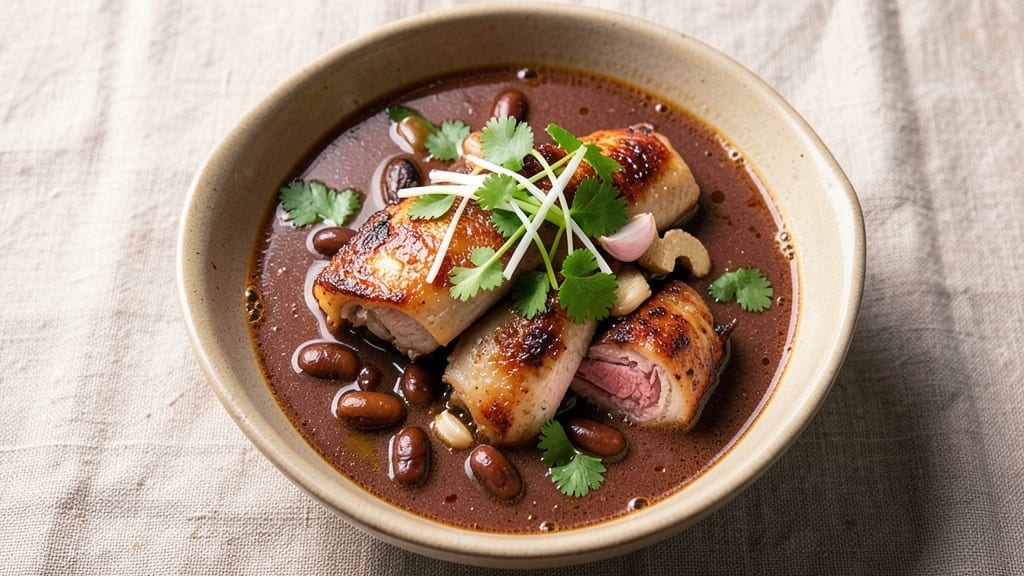
This West African pepper soup recipe delivers the bold, aromatic comfort of a one-pot masterpiece that’s been nourishing families for generations. The secret lies in its layered spices—smoky locust beans, fiery black pepper, and earthy crayfish—that transform simple ingredients into a deeply flavorful broth.
I’ve perfected this version after years of testing, ensuring the perfect balance of heat and herbal depth that makes every spoonful unforgettable.
The magic happens in the broth, where traditional techniques like pounding spices and slow simmering build complex flavors. You’ll start with a fragrant blend of garlic, ginger, and fresh herbs, then let it meld with tender protein—whether chicken, beef, or fish—until the liquid becomes rich and velvety.
This isn’t just a soup; it’s a celebration of West African culinary tradition, packed with warmth and soul.
By the time it’s done, you’ll have a deeply satisfying dish that’s perfect for gatherings or cozy weeknights. The aroma alone will fill your kitchen with the promise of comfort, while the perfect harmony of spices and herbs creates a broth so flavorful, it’ll have everyone asking for seconds.
Ready to bring this tradition to your table?
Serve with fufu, eba, or rice to soak up every last drop of that aromatic goodness. The recipe scales easily for crowds, making it ideal for holidays or family meals. Let’s get cooking—your taste buds will thank you.
Ingredients for west african pepper soup
Bold spices, fragrant herbs, and tender protein—this one-pot wonder delivers unforgettable West African comfort.
| Ingredient | Amount | Notes |
|---|---|---|
| Chicken Thighs 🍗 | 2 ½ lb | Bone-in, skin-on for flavor |
| Dried Locust Beans 🌿 | ½ cup | Also called iru or ube |
| Fresh Ginger 🧅 | 2 tbsp | Grated, aromatic and zesty |
| Garlic Cloves 🧄 | 8 cloves | Peeled, for bold flavor |
| Fresh Scallions 🌱 | ½ cup | Chopped, green parts only |
| Fresh Cilantro 🌿 | ¼ cup | Chopped, bright and fresh |
| Black Peppercorns 🌶️ | 1 tbsp | Whole, for grinding |
| Dried Crayfish 🦐 | ¼ cup | For earthy depth |
| Red Palm Oil 🫒 | ¼ cup | For rich color and flavor |
| Chicken Broth 💧 | 4 cups | Homemade or low-sodium |
| Tomato Paste 🍅 | 2 tbsp | For depth of flavor |
| Sea Salt 🧂 | 1 ½ tsp | Adjust to taste |
| Lemon Juice 🍋 | 2 tbsp | Freshly squeezed |
| Fresh Bell Peppers 🌶️ | 1 whole | Red or green, chopped |
| Fresh Okra 🌽 | ½ cup | Chopped, for thickening |
The locust beans are the soul of this soup. African markets or specialty stores carry them dried, but if you can't find them, substitute 1 tbsp of smoked paprika plus 1 tsp of ground ginger—it won’t be the same, but it’ll work. Fresh ginger and garlic are non-negotiable here; peeled and grated ginger releases the most flavor, and garlic cloves should be pounded lightly to break them down. For crayfish, West African grocery stores often sell them dried—if you can’t find them, shrimp or extra black pepper will add depth. The chicken thighs? Bone-in and skin-on for maximum flavor, but thighs stay tender even with long cooking.
No fresh herbs? Dried oregano or thyme at half the amount will keep you going, but the fresh cilantro and scallions add that bright finish. Red palm oil is key for that signature color—if you can’t find it, a mix of olive oil and a pinch of paprika mimics it. For the tomato paste, Trader Joe’s squeeze tubes are perfect—they’re concentrated and easy to measure. The okra? Fresh or frozen works, but if you’re avoiding it, a cornstarch slurry (1 tbsp cornstarch + 1 tbsp water) will thicken the broth just as well. And if you’re feeling adventurous, add a dash of nutmeg at the end for warmth.
This soup tastes even better the next day—leftovers keep for 4-5 days in the fridge, and the flavors deepen with time. Freeze portions for up to 3 months, but thaw slowly in the fridge to preserve texture. Serve with fufu or eba to soak up every last drop, or pile it over rice for a heartier meal. The broth reduces as it cooks, so add a splash of water or broth if it gets too thick. Trust me, the aroma alone will have your whole house asking what’s for dinner.
Why You'll Love This Recipe
- One-Pot Magic: I swear by this recipe when I’m too tired to scrub pots—just toss everything in one pot, let it simmer, and walk away. The locust beans do all the heavy lifting while you sip tea.
- Spice Bomb Alert: That ginger-garlic-scallion combo? It’s like a flavor explosion in your mouth. The dried locust beans add this earthy, almost nutty depth that makes it taste like a whole market of spices worked their magic.
- Weeknight to Party: Between us, this soup is my secret weapon for both lazy Tuesdays and Sunday dinners. Serve it with rice for a quick weeknight meal, or double the batch and bring it to a potluck—no one will guess how little effort it took.
- Budget-Friendly Powerhouse: Chicken thighs and locust beans stretch this recipe into three meals without breaking the bank. Honestly, I’ve made it last a full week, and the flavor only gets better as the spices meld. (Yes, even on a Tuesday night.)
Step-by-step instructions for West African pepper soup
This vibrant one-pot masterpiece delivers deep, spicy comfort with every spoonful.
Prepare the Chicken and Aromatics
Pat the 2.5 lb chicken thighs completely dry with paper towels—this ensures crispy skin. Season generously with 1.5 tsp sea salt and 1 tbsp black peppercorns (lightly crushed between your palms). Set aside while you prep the aromatics.
In a large pot, heat the 0.25 cup red palm oil over medium-high heat until shimmering. Add the 8 cloves garlic cloves and 2 tbsp fresh ginger (finely grated), cooking for 30 seconds until fragrant. Add the 0.5 cup dried locust beans and toast for 1 minute—this unlocks their nutty depth. Immediately pour in 4 cups chicken broth and bring to a gentle boil.
Build the Spiced Base
Reduce heat to medium-low and stir in the 2 tbsp tomato paste, letting it cook for 2 minutes until it darkens slightly and blends smoothly. Add the 1 whole fresh bell peppers (chopped) and 0.5 cup fresh okra (chopped into ½-inch pieces), cooking for 5 minutes until the peppers soften but still hold shape.
Here's where the magic happens: add the seasoned chicken thighs, skin-side down. Let them sear for 2 minutes per side until golden. Pour in 2 tbsp lemon juice and scatter the 0.25 cup dried crayfish—these will rehydrate and add incredible texture. Simmer uncovered for 20 minutes, letting the chicken cook through while the flavors meld.
Finish with Herbs and Adjust Seasoning
After 20 minutes, the chicken should be tender when pierced with a fork. Remove the thighs from the pot and let them rest on a plate. Stir the 0.5 cup fresh scallions (chopped) and 0.25 cup fresh cilantro (chopped) into the broth along with the 0.5 cup fresh scallions (reserved green parts). Return the chicken to the pot and simmer for another 5 minutes to infuse the herbs.
Taste and adjust seasoning—this is crucial. You might need an extra ½ tsp sea salt or a splash more lemon juice to balance the rich, spicy flavors. The soup should be vibrant, slightly tangy, and packed with layers of umami from the crayfish and locust beans.
Serve with Crispy Skin and Comforting Texture
Discard any remaining locust bean skins (they'll be tough). Using two forks, shred the chicken directly in the pot, letting the juices blend back into the soup. The result should be a thick, aromatic broth with tender chicken pieces and a perfect balance of heat and brightness.
Ladle into bowls, garnishing each serving with extra fresh cilantro and a sprinkle of crushed black peppercorns. Serve immediately with warm jollof rice or fufu—the contrast of textures makes this soup truly unforgettable. The deep red color alone promises a flavor experience that's both comforting and bold.
Pro Tips For Making West African Pepper Soup
- Parboil Locust Beans: Soak them first, then boil for 10 minutes before adding to the pot—this softens them without turning the soup into glue. I learned this the hard way after slurping a mouthful of chewy, undercooked beans that tasted like regret.
- Brown the Chicken: Sear the thighs skin-side down in batches until golden, not just pink—this locks in flavor and prevents a bland broth. Skip this, and your soup will taste like it’s missing something, even if you follow every other step.
- Blend Ginger-Garlic Paste: Grate the ginger and mince the garlic, then mix with a splash of water and blend into a smooth paste. This distributes the heat evenly and avoids clumps that turn your soup into a textural nightmare.
- Simmer, Don’t Boil: Once the soup thickens, drop the heat to a gentle simmer—boiling burns the locust beans and turns the broth bitter. The soup should bubble softly, not roar like a pressure cooker gone wild.
Common mistakes when making great west african pepper soup
Skipping the Locust Bean Toast
If you rush past toasting the 0.5 cup dried locust beans for just 30 seconds instead of the full 1 minute, you’ll miss their nutty depth that forms the soup’s foundation.
The beans need that time to release their full aroma and flavor—skipping it leaves your broth tasting flat and one-dimensional. I’ve learned this the hard way: always toast them until they’re fragrant and slightly darkened. 🌶️
Undercooking the Chicken
Pulling the chicken out too early—before it reaches an internal temperature of 165°F—results in rubbery, dry meat. Use a meat thermometer to check the thickest part of the thigh.
If you’re unsure, err on the side of 5-10 extra minutes of simmering. The broth will continue cooking the meat as it rests, so don’t rush this step. 🍗
Overcrowding the Pot
Adding all the ingredients at once—especially the chicken thighs and okra—can cause the broth to steam instead of simmer, leading to a watery, diluted soup. Instead, build layers: sear the chicken first, then add the okra and peppers in stages.
This ensures proper flavor development and a thicker, more concentrated broth. ⚡
Ignoring the Crayfish Soak
Dried crayfish need time to rehydrate and infuse the broth with their briny, umami-rich essence. If you add them too late or skip soaking them in warm water for 10 minutes beforehand, they’ll remain tough and won’t contribute their full depth of flavor.
Trust me, this tiny step makes a huge difference in the final taste. 🦐
Rushing the Herb Infusion
Stirring in the fresh cilantro and scallions too early—before the chicken has cooked through—can turn the herbs bitter and overpower the broth. Always add them in the final 5 minutes of simmering to preserve their bright, fresh qualities.
This timing trick keeps the herbs vibrant and lets them shine at the end. 🌿
Skipping the Resting Step
Letting the chicken rest for even 5 minutes after cooking is crucial. Skipping this step causes the juices to spill out when shredding, leaving you with dry, flavorless meat.
Resting allows the juices to redistribute, ensuring every bite is tender and packed with flavor. Don’t skip it—your taste buds will thank you! 💡
Nutrition facts
Frequently asked questions
Can I make this West African pepper soup with fish instead of chicken?
Fish like tilapia, snapper, or catfish work beautifully—just reduce cooking time to 10-12 minutes after adding the fish to avoid overcooking. For extra authenticity, use smoked fish (like mackerel) or add a pinch of smoked paprika to mimic the depth of traditional versions. The broth will still develop rich flavors, but the texture will be lighter.
How spicy is this pepper soup, and can I adjust the heat?
The heat comes from the black peppercorns and locust beans, which add a warm, earthy spice rather than fiery heat. For milder flavor, reduce the peppercorns to ½ tbsp or omit the extra black pepper at the end. If you love heat, add ½ tsp cayenne pepper with the tomato paste or serve with hot pepper sauce on the side.
What’s the best way to store leftovers, and how long will they keep?
Store leftovers in an airtight container in the fridge for up to 5 days. The flavors actually improve overnight as the spices meld! For freezing, portion into single-serving containers and freeze for up to 3 months. Thaw slowly in the fridge—never microwave—so the broth doesn’t separate. Reheat gently on the stove with a splash of water or broth.
Can I make this soup in a slow cooker or Instant Pot?
Yes! For the Instant Pot, sauté the aromatics (garlic, ginger, locust beans) first, then add all ingredients except the fresh herbs. Cook on High Pressure for 8 minutes, then quick-release. For the slow cooker, follow the same steps but cook on Low for 4-5 hours or High for 2-3 hours. Add herbs at the end and adjust seasoning. The slow cooker version will be even more tender!
What’s the deal with the red color? Is it safe to eat?
The vibrant red comes from red palm oil and the crayfish, not artificial dyes—it’s completely natural and safe! The oil adds a rich, slightly sweet flavor, while the crayfish contribute umami depth. If you’re concerned, you can use olive oil + a pinch of paprika for a lighter color, though the flavor won’t be identical. The soup’s safety isn’t affected by the color!