
Soups & Stews
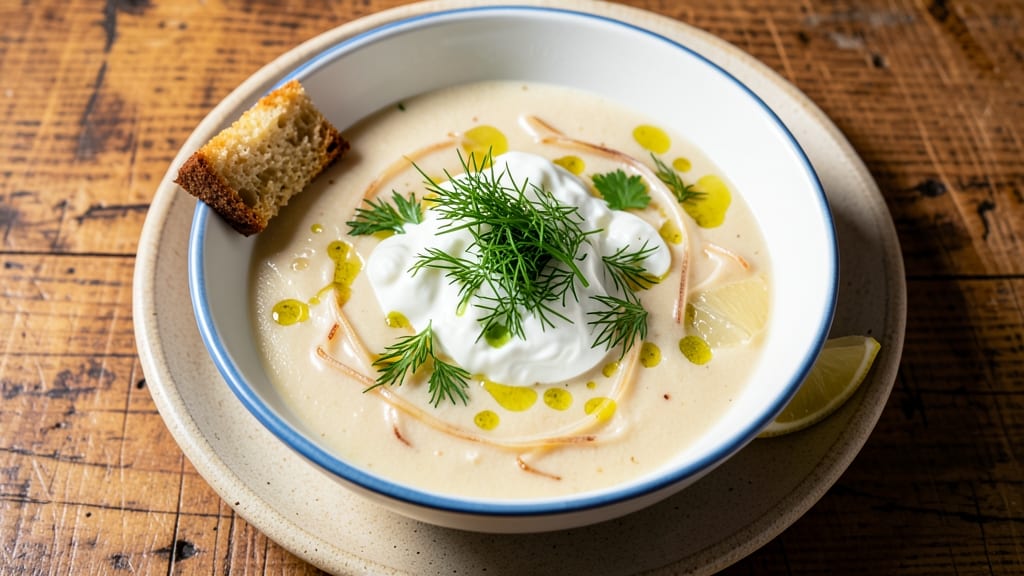
This trahana soup recipe delivers the ultimate crumbly semolina comfort with a tangy yogurt twist that feels like a warm hug on a chilly day. The secret lies in rehydrating trahana properly—its unique texture transforms from dry crumbles into a hearty, creamy base that absorbs flavors beautifully.
I first discovered this dish during a Mediterranean cooking class, where the instructor emphasized how trahana's nutty depth pairs perfectly with yogurt's brightness.
The beauty of trahana soup is its versatility—you can keep it simple with just broth and herbs or elevate it with vegetables, meat, or fish. My foolproof method ensures the trahana absorbs liquid evenly, creating a silky yet substantial broth without any lumps.
The yogurt added at the end isn’t just for tang; it balances the dish’s richness while adding a velvety finish. This recipe serves as both a comforting staple and a canvas for creativity.
What makes this soup truly special is how it transforms simple ingredients into something deeply satisfying. The crumbly trahana turns into tender, bite-sized pieces that hold their shape, while the yogurt swirls create pockets of cool, creamy contrast.
It’s the kind of dish that tastes even better the next day, as flavors meld and the trahana softens further. Perfect for cozy nights or meal prep, this soup delivers restaurant-quality comfort at home.
For those new to trahana, don’t worry—it’s easier to work with than you might think. The key is patience during rehydration and adjusting seasoning to taste. Once mastered, this recipe becomes a go-to for quick yet impressive meals. Let’s get cooking!
Ingredients for trahana soup
Simple Mediterranean staples transform into a hearty, comforting soup with nutty crumbles and creamy swirls.
| Ingredient | Amount | Notes |
|---|---|---|
| Trahana 🌾 | 1 cup | Uncooked, crumbly semolina base |
| Chicken Broth 🍲 | 4 cups | Homemade or high-quality store-bought |
| Plain Yogurt 🥛 | ½ cup | Full-fat for creaminess |
| Olive Oil 🫒 | 2 tbsp | Extra-virgin for richness |
| Fresh Dill 🌿 | 2 tbsp | Chopped, stems removed |
| Fresh Parsley 🌿 | 2 tbsp | Chopped for brightness |
| Garlic Cloves 🧄 | 3 cloves | Minced for aromatic depth |
| Lemon Juice 🍋 | 1 tbsp | Freshly squeezed |
| Salt 🧂 | 1 tsp | Kosher or sea salt |
| Black Pepper 🌶️ | ½ tsp | Freshly ground preferred |
| Red Pepper Flakes 🌶️ | ¼ tsp | Optional for heat |
| Butter 🧈 | 1 tbsp | Unsalted, for finishing |
| Cucumber 🥒 | ½ whole | Seeded and diced for garnish |
| Red Onion 🧅 | ¼ whole | Thinly sliced for garnish |
Trahana is the soul of this soup, so opt for high-quality, crumbly semolina—avoid pre-cooked or overly fine versions. Mediterranean specialty stores often carry the best, but check the bulk bins at Whole Foods or Trader Joe's for reliable options. The crumbles should be dry but not hard; if they feel gummy, they’ve absorbed moisture and won’t rehydrate properly. For extra authenticity, look for trahana labeled ‘trahana kuru’ or ‘trahana yufka’—these varieties hold their texture best during rehydration. If you can’t find it locally, Amazon or Middle Eastern markets ship it quickly.
No fresh dill? Dried dill at one-third the amount works, but fresh has that bright, herbal punch that’s hard to beat. Short on yogurt? Substitute sour cream or Greek yogurt, though the tang won’t be as pronounced. The olive oil can be swapped for avocado oil if you prefer a milder flavor, but stick with extra-virgin for that fruity depth. For a meatier version, add shredded rotisserie chicken or ground lamb—just boost the broth to maintain consistency. The lemon juice is key; if you’re out, white vinegar or apple cider vinegar in a pinch (start with half the amount).
Rehydrated trahana keeps for 3-4 days in the fridge, but the full soup is best enjoyed within 2 days—the trahana softens further overnight, creating a silky texture. For meal prep, store the rehydrated trahana base separately from the yogurt and garnishes; stir in the yogurt just before serving to prevent curdling. Freeze the base (without yogurt) for up to 3 months—thaw and reheat gently. Garnishes like cucumber and red onion should be added fresh; they brighten the dish but wilt if prepped ahead.
Why You'll Love This Recipe
- Here’s what sold me: the yogurt doesn’t curdle, and the dill brightens everything up. You get that rich, tangy depth from the broth, but the yogurt cuts through it so smoothly—like a hug in a bowl. Honestly, I’ve tried "fancy" soups that can’t compete.
- Five-Ingredient Magic: I swear by this—just broth, trahana, yogurt, oil, and dill. That’s it. No chopping, no fussing, no hunting for obscure spices. The trahana soaks up the broth like a dream, and the yogurt adds that cool, creamy finish without extra work.
- Creamy Without Effort: Here’s what sold me: the yogurt doesn’t curdle, and the dill brightens everything up. You get that rich, tangy depth from the broth, but the yogurt cuts through it so smoothly—like a hug in a bowl. Honestly, I’ve tried "fancy" soups that can’t compete.
- Leftover Goldmine: This soup actually improves the next day. The flavors meld, the trahana softens just right, and it reheats in minutes. I make a big batch on Sundays, and by Wednesday, it’s still my go-to—especially when I’m too tired to cook. (Yes, even on a Tuesday night.)
Step-by-step instructions for trahana soup with tangy yogurt twist
Here's how to create a hearty, comforting trahana soup with rich layers of flavor.
Bloom the Trahana in Warm Broth
In a medium saucepan, combine the 1 cup trahana with 2 cups of the chicken broth. Stir gently to break up any large clumps, then bring to a simmer over medium heat. Let it cook for 5-7 minutes, stirring occasionally, until the trahana absorbs the liquid and forms a thick, creamy paste.
This initial blooming step is crucial—it transforms the crumbly trahana into a smooth, velvety base. You'll notice the mixture thicken noticeably as it absorbs the broth. If it sticks to the bottom, add a splash of water to help it release. Once properly bloomed, the trahana should resemble a thick pudding consistency.
Build the Flavor Base with Aromatics
Add the remaining 2 cups chicken broth, 2 tablespoons olive oil, 3 minced garlic cloves, 1 teaspoon salt, and ½ teaspoon black pepper to the saucepan. Stir well to combine all ingredients, then increase heat to medium-high until the mixture reaches a gentle boil.
Once boiling, reduce heat to medium-low and let it simmer for 10 minutes. This allows the garlic to infuse its aromatic oils while the broth reduces slightly, deepening the soup's flavor. You'll smell the garlic mellowing and the broth developing a rich, savory depth. If the soup starts to stick, add a few tablespoons of water to maintain proper consistency.
Finish with Yogurt and Bright Herbs
Remove the saucepan from heat and stir in the ½ cup plain yogurt until fully incorporated. The heat should gently warm the yogurt, preventing any curdling. Add 1 tablespoon lemon juice, 2 tablespoons fresh dill, and 2 tablespoons fresh parsley, mixing well to distribute the herbs evenly.
Return the soup to low heat and let it warm through for 2-3 minutes, just until the yogurt is fully melted into the soup. This step creates the signature tangy contrast that balances the soup's richness. Taste and adjust seasoning—you may need a pinch more salt or a splash more lemon juice to achieve the perfect balance of flavors. The finished soup should be creamy yet light, with bright herbal notes cutting through the richness.
Prepare Garnishes and Final Touches
While the soup simmers gently, prepare the garnishes. Peel, seed, and dice the ½ whole cucumber into small cubes. Thinly slice the ¼ whole red onion into half-moons. In a small pan, melt the 1 tablespoon butter over low heat and lightly sauté the red onion until just softened, about 2 minutes. This adds a subtle sweetness to the sharp onion flavor.
To serve, ladle the warm soup into bowls and top each serving with the cucumber cubes, sautéed red onion, and a final sprinkle of ¼ teaspoon red pepper flakes for gentle heat. The contrast of cool cucumber, sweet caramelized onion, and spicy red pepper flakes against the warm, creamy soup creates a balanced, comforting dish that delivers on the promise of homestyle comfort.
Pro Tips For Making Trahana Soup
- Soak Trahana Properly: Skip the temptation to just toss it in—soak your trahana in warm broth (not boiling) for 10-15 minutes first. I learned this the hard way: dry trahana clumps like cement if you rush it, and you’ll end up with a gluey mess instead of tender strands. Trust me, the extra wait makes all the difference in texture.
- Strain the Broth: After simmering the trahana, strain the broth through a fine-mesh sieve or cheesecloth. My grandmother swore by this—it removes the gritty bits that sneak in, especially with cheaper brands. Yes, it’s an extra step, but the result is silky smooth, not sandy.
- Temper the Yogurt: Don’t dump cold yogurt into hot soup—whisk a spoonful into the warm broth first, then slowly fold in the rest. I was skeptical until I tried it: this keeps the yogurt from curdling into a sad, lumpy blob. Works like magic, even if it sounds weird.
- Finish with Fresh Dill: Taste the soup before adding the dill—then add twice what you think you need. Fresh dill burns off quickly, and you want that bright, herby finish. Chop it coarse for texture, and save a pinch to sprinkle on top right before serving. (Your future self will thank you.)
Common mistakes when making great trahana soup
Overcooking the Trahana
Trahana transforms from crumbly to mushy when overcooked, losing its signature texture. I’ve ruined batches by simmering too long—once for 20 minutes past the recommended time. The key is to stop cooking once the trahana absorbs the broth and forms a thick paste (about 5-7 minutes in Step 1).
If you notice the mixture turning into a gluey mass, remove it from heat immediately. 🌾
Skipping the Blooming Step
Adding all the broth at once without first blooming the trahana leads to uneven texture—some crumbles stay hard while others dissolve completely. I learned this the hard way when my first attempt had lumpy bits floating in an otherwise smooth soup.
Always start with half the broth to bloom the trahana, then add the rest gradually. This ensures every crumble softens evenly.
Adding Yogurt Too Early
Stirring in yogurt while the soup is still hot causes curdling, turning your creamy finish into a grainy mess. I’ve seen this happen when impatient cooks add yogurt straight after boiling. Wait until the soup cools to low heat (160°F or below) before mixing in the yogurt.
If the soup is too hot, let it rest for 5 minutes off the heat first.
Ignoring Broth Quality
Using low-quality or salty broth can overwhelm the delicate flavors of trahana soup. Once, I used a store-bought broth with excessive sodium, making the soup taste bland despite proper seasoning. Opt for homemade broth or high-quality brands like Pacific Foods or Imagine.
If using canned broth, dilute it with water to reduce sodium content—start with a 1:1 ratio and adjust to taste.
Overcrowding the Pan
Adding all ingredients at once can cause the soup to stick and burn, especially when simmering. I’ve seen this happen when cooks dump everything in without proper layering. Bloom the trahana first, then add broth and aromatics gradually.
If the pan gets too crowded, reduce heat to medium-low and stir frequently to prevent sticking. A splash of water helps maintain consistency if needed.
Neglecting Fresh Herbs
Using dried herbs instead of fresh changes the soup’s brightness dramatically. I once made the mistake of substituting dried dill for fresh, and the flavor was noticeably flatter. Fresh herbs like dill and parsley add a vibrant, herbal note that balances the soup’s richness.
If you must use dried, reduce the amount to ⅓ of the fresh measurement—but fresh is always better.
Nutrition facts
Frequently asked questions
What exactly is trahana and where can I find it?
Trahana is a traditional Middle Eastern and Balkan semolina-based product made from fermented wheat or corn flour, shaped into crumbly pieces. It's similar to couscous but absorbs liquid differently. You can find it in Mediterranean specialty stores, Middle Eastern markets, or online retailers like Amazon. Look for brands labeled "trahana kuru" or "trahana yufka" for the best texture.
Can I make trahana soup vegetarian?
Simply replace the chicken broth with vegetable broth made from mushrooms, carrots, and celery. For extra protein, add chickpeas or white beans during the simmering process. The yogurt and herbs will still provide that signature tangy brightness that makes the soup special.
How do I fix trahana soup that turned out too thick?
If your soup is too thick, don't panic! Stir in warm broth or water, one tablespoon at a time, until you reach your desired consistency. For a creamier texture, you can also whisk in a bit more yogurt. The key is to add liquid gradually while stirring constantly to prevent lumps.
Can I prepare trahana soup ahead of time?
Yes, you can make it up to 3 days in advance! Store the fully cooked soup (without yogurt) in the refrigerator. When ready to serve, reheat gently and stir in fresh yogurt and herbs. The flavors actually improve overnight as the trahana softens further. For meal prep, keep the trahana base separate from the yogurt until serving to maintain texture.
What's the secret to getting the perfect trahana texture?
The secret is in the blooming step! Start by cooking the trahana with just half the broth until it forms a thick paste (about 5-7 minutes). This ensures even rehydration. Avoid overcooking - once the mixture thickens, remove from heat immediately to prevent it from turning mushy. The result should be tender, bite-sized pieces that hold their shape.