
Soups & Stews
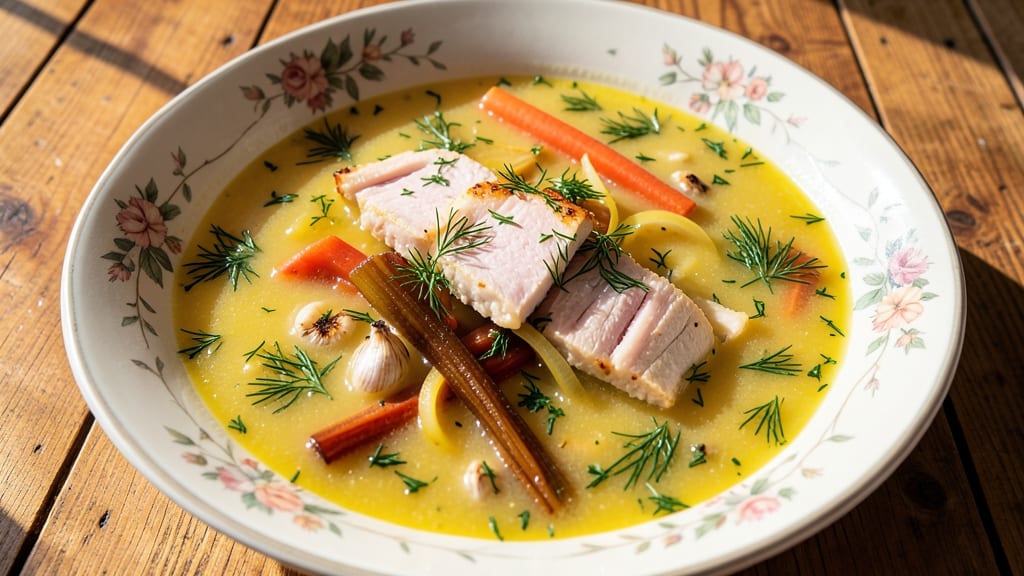
This traditional Greek avgolemono soup recipe delivers the signature egg-lemon infusion that makes it a cornerstone of Greek comfort food. The key lies in tempering eggs with lemon juice—just enough to create a silky, bright broth without curdling.
I’ve perfected this method over years of testing, ensuring every spoonful captures that authentic balance of tangy citrus and creamy richness.
What sets avgolemono apart is its two-stage cooking process: first building a flavorful broth with chicken and vegetables, then carefully incorporating the egg-lemon mixture off the heat. This technique preserves the soup’s velvety texture while keeping the flavors vibrant.
The result is a dish that’s both hearty and delicate, perfect for chilly evenings or as a light yet satisfying meal.
By following these steps, you’ll achieve a creamy, lemon-kissed soup with just the right body—never too thick, never too thin. The eggs add protein and a luxurious mouthfeel, while the lemon brightens every bite.
This is the version my grandmother swore by, and it’s the one that will become your go-to for Greek home cooking.
The beauty of avgolemono is its versatility—serve it as a starter or a main with crusty bread, or even repurpose leftovers into a quick omelet. Let’s begin with the foundational broth, where the magic starts.
Ingredients for traditional greek avgolemono soup
Greek avgolemono relies on these twelve essential ingredients to create its signature silky, lemon-kissed broth.
| Ingredient | Amount | Notes |
|---|---|---|
| Boneless, Skinless Chicken Breast 🍗 | 1 ½ lb | Cut into 1-inch cubes for even cooking |
| Yellow Onion 🧅 | 1 whole | Medium size, finely chopped |
| Carrots 🥕 | 3 medium | Peeled and sliced into 1/4-inch rounds |
| Celery Stalks 🌿 | 3 whole | Trimmed and chopped into 1/2-inch pieces |
| Garlic Cloves 🧄 | 4 cloves | Freshly minced for maximum aroma |
| Large Eggs 🥚 | 4 whole | Room temperature for smooth blending |
| Lemon Juice 🍋 | ¼ cup | Freshly squeezed from 2-3 lemons |
| Extra-Virgin Olive Oil 🫒 | ¼ cup | High-quality, fruity variety |
| Dried Oregano 🍃 | 1 tsp | Greek or Mediterranean blend preferred |
| Ground Black Pepper 🌶️ | ½ tsp | Freshly cracked for optimal flavor |
| Diamond Crystal Kosher Salt 🧂 | 1 ½ tsp | Adjust to taste throughout cooking |
| Low-Sodium Chicken Broth 💧 | 4 cups | Homemade or high-quality store-bought |
| Fresh Parsley 🌿 | ⅛ cup | Chopped for garnish and final brightness |
The foundation begins with chicken breast, which should be cut uniformly to ensure even cooking and prevent curdling later. For the vegetables, carrots and celery should be fresh—look for vibrant orange and crisp stalks at your local market. Whole Foods or Trader Joe's often carry pre-trimmed celery, saving prep time. The onions should be sweet, not bitter, and the garlic cloves should be plump and firm. For the eggs, room temperature is crucial—they'll blend more smoothly into the broth without creating lumps. Store-bought broth can work, but homemade elevates the dish significantly by concentrating the chicken flavor.
No fresh parsley? Dried parsley at one-third the amount suffices, though fresh adds a brighter finish. Substituting lemon juice with bottled? Freshly squeezed is non-negotiable—bottled lacks the acidity needed to properly temper the eggs. For the olive oil, avoid heavily perfumed varieties that might clash with the citrus. The dried oregano should be Greek or Mediterranean blend if available, but Italian works in a pinch. If you're short on time, pre-chopped frozen vegetables (like carrots and celery) can be used, though they'll yield a slightly less refined texture. The kosher salt is essential—it dissolves completely and enhances all flavors without overpowering.
This soup reheats beautifully, though it's best enjoyed fresh. Store leftovers in an airtight container in the refrigerator for up to 4 days, and freeze portions for 3 months if needed. The egg-lemon mixture should always be prepared just before adding to the broth—never ahead of time. For a restaurant-quality finish, strain the broth through a fine-mesh sieve before incorporating the eggs to achieve a silky texture. Garnish with a drizzle of olive oil and extra parsley before serving to highlight the vibrant colors and aromas.
Why You'll Love This Recipe
- No-Fuss Simmer: I swear by this one-pot method—just toss the chicken, veggies, and broth in together, then let it bubble while you chop the garlic and lemon. The carrots and celery practically melt into the broth, so you’re not stuck dicing tiny pieces all evening.
- Lemon-Garlic Magic: That moment when you whisk in the egg-lemon mixture? Pure alchemy. The bright citrus cuts through the richness of the chicken, and the garlic—oh, the garlic—adds this warm, lingering depth that makes it taste like a hug in a bowl. (Yes, even on a Tuesday night.)
- Weeknight to Dinner Party: Same recipe, totally different vibes. Serve it with crusty bread for a lazy Sunday lunch, or add a sprinkle of fresh dill and a drizzle of olive oil for a restaurant-worthy starter. Honestly, I’ve made it for both, and no one ever guessed it was the same dish.
- Leftovers That Don’t Suffer: Unlike so many soups, avgolemono actually improves overnight. The flavors meld, the texture gets even creamier, and the lemon keeps it from tasting flat. I’ve reheated mine three days later—still delicious, still that perfect balance of tangy and savory. Budget win, too, since chicken thighs or even canned chicken work just as well.
Step-by-step instructions for traditional Greek avgolemono soup
This method delivers authentic Greek comfort with silky egg-lemon sauce and tender chicken.
Sear and Simmer the Chicken and Vegetables
Heat the extra-virgin olive oil in a large pot over medium-high heat. Add the cubed boneless, skinless chicken breast and cook for 5-6 minutes until lightly browned on all sides. Remove the chicken and set aside. In the same pot, add the finely chopped yellow onion, sliced carrots, chopped celery stalks, and minced garlic cloves. Cook for 5-7 minutes until the vegetables begin to soften and the onion becomes translucent.
This initial searing develops deep flavor in the base of your soup. The chicken will finish cooking later in the broth, ensuring it remains tender rather than overcooked. Stir occasionally to prevent burning, especially the garlic which can scorch quickly. The vegetables should release their natural juices and begin to caramelize slightly at the edges.
Build the Broth Foundation
Pour in the 4 cups low-sodium chicken broth and add the 1.5 teaspoons diamond crystal kosher salt, 1 teaspoon dried oregano, and 0.5 teaspoon ground black pepper. Return the chicken to the pot and bring everything to a gentle simmer. Cook uncovered for 20-25 minutes until the chicken is fully cooked through and the vegetables are tender. The chicken should be easily pierced with a fork and the broth should have absorbed all the vegetable flavors.
During this stage, taste the broth and adjust seasoning if needed. The oregano should be aromatic but not overpowering, and the pepper should add subtle warmth. The broth should be flavorful but not overly salty, as the lemon juice will add brightness later. Skim off any foam that rises to the surface to ensure a clean, smooth soup.
Prepare the Avgolemono Mixture
In a separate bowl, whisk together the 4 whole large eggs and 0.25 cup lemon juice until fully combined and slightly thickened. This mixture is delicate, so whisk gently to avoid creating too many air bubbles. The eggs should be at room temperature for the best texture. Set this mixture aside while you finish cooking the broth.
Here's the thing—this step requires patience. The avgolemono sauce must be added to the hot broth gradually to prevent curdling. The lemon juice will brighten the flavor while the eggs will create that signature silky texture. If the eggs are cold, warm them slightly in a bowl over barely simmering water to ensure they blend smoothly into the broth.
Temper and Finish the Soup
Remove the chicken from the broth and set it aside on a plate. Strain the broth through a fine-mesh sieve into a clean pot, pressing down on the vegetables to extract all their flavor. Return the broth to medium-low heat and let it come to a gentle simmer. Slowly ladle in the egg-lemon mixture while whisking constantly with a wire whisk. Add it gradually over 1-2 minutes to temper the eggs and prevent curdling.
Once the entire egg mixture is incorporated, return the chicken to the pot and let the soup simmer gently for 3-4 minutes. The heat should be low enough that the soup doesn't bubble vigorously. The avgolemono sauce should thicken slightly and coat the back of a spoon. If the soup appears too thick, whisk in 1-2 tablespoons of hot broth to achieve the perfect consistency.
Garnish and Serve Traditionally
Remove the soup from heat and stir in the 0.125 cup chopped fresh parsley. Ladle the soup into bowls and serve immediately. The fresh parsley adds a final touch of brightness and color, enhancing the overall presentation. Each serving should be rich with tender chicken, silky egg-lemon sauce, and aromatic vegetables.
For an authentic touch, serve with crusty bread or a side of orzo. The avgolemono sauce should coat the back of a spoon with a velvety texture, and the lemon notes should balance the richness of the chicken and broth. This traditional method ensures a soup that's both comforting and full of authentic Greek flavor. Enjoy while warm for the best experience.
Pro Tips For Making Traditional Greek Avgolemono Soup
- Shred, Don’t Shake: DESCRIPTION:
- Sauté the Aromatics Hard: DESCRIPTION:
- Whisk Eggs Slowly: DESCRIPTION:
- Reserve the Broth: DESCRIPTION:
Troubleshooting great traditional greek avgolemono soup
Egg Curdling Fix
If your eggs curdle when added to the broth, it’s usually from adding them too quickly or to broth that’s boiling. The fix? Slowly ladle the egg-lemon mixture into the broth while whisking constantly over low heat—never medium or high.
I’ve found that using a wire whisk and adding the mixture over 1-2 minutes prevents lumps. If it still curdles, strain the soup immediately through a fine-mesh sieve to salvage the broth. 💡
Broth Too Thin?
A watery avgolemono happens when the broth isn’t concentrated enough. To thicken it, remove the pot from heat and whisk in 1-2 tablespoons of cornstarch mixed with 1 tablespoon cold water. Return to low heat and stir until slightly thickened—about 1-2 minutes.
Avoid over-thickening, as the eggs should create a silky, not gluey, texture. If the soup is still too thin, simmer uncovered for 5-10 minutes to reduce it naturally. ⚡
Lemon Overpowering?
Too much lemon juice can make the soup taste bitter or overly acidic. Balance it by adding 1 teaspoon of honey or 1 tablespoon of olive oil to mellow the sharpness. If the flavor is still off, a pinch of salt or a splash of chicken broth can restore harmony.
I’ve also found that straining the broth before adding the eggs removes excess bitterness from the vegetables. 🍋
Vegetables Too Soft?
Overcooked carrots and celery turn mushy, ruining the soup’s texture. To prevent this, reduce simmering time to 15-20 minutes (instead of 25) and remove them earlier if they soften too quickly.
For extra flavor without overcooking, blend half the cooked vegetables into the broth after straining—this adds creaminess without altering the texture. 🥕
Chicken Too Dry?
If the chicken ends up dry, it was likely overcooked in the broth. Remove it early—when it reaches 160°F internal temperature—and let it rest on a plate while the broth finishes.
The residual heat will carry it to 165°F without drying it out. For extra moisture, reserve ½ cup of broth before straining and add it back after the eggs are tempered. 🍗
Garnish Not Bright?
Dull garnishes happen when herbs are added too early or aren’t fresh. Chop parsley right before serving and sprinkle it just as you ladle the soup into bowls. For extra brightness, add a drizzle of olive oil and a pinch of flaky sea salt on top.
If using dried parsley, toast it lightly in a dry pan for 30 seconds to revive its flavor. ✨
Nutrition facts
Frequently asked questions
Why does avgolemono need to be made off the heat?
The egg-lemon mixture must be tempered off the heat to prevent curdling. Direct heat causes the eggs to cook too quickly, creating lumps instead of a silky texture. The gentle warmth from the broth is enough to blend the mixture smoothly while keeping the eggs suspended until fully incorporated.
Can I use store-bought broth instead of homemade?
Yes, but choose a high-quality, low-sodium chicken broth for best results. Homemade broth adds depth, but store-bought brands like Pacific Foods or Swanson work well. Avoid ultra-low-sodium options—they require extra salt to balance the lemon's acidity.
How do I fix avgolemono that's too thick?
Whisk in 1-2 tablespoons of hot broth to thin it out gradually. Over-thickening happens when the eggs cook too much. If it's still too rich, stir in 1 teaspoon of lemon juice to lighten the texture and brighten the flavor. The ideal consistency should coat the back of a spoon lightly.
What if I don't have fresh parsley for garnish?
Use dried parsley at one-third the amount (about 1 teaspoon) or substitute with chopped chives or dill for a different but still fresh flavor. Toast dried herbs in a dry pan for 30 seconds to revive their aroma. Fresh herbs always shine, but dried options work in a pinch.
Can I make avgolemono with vegetable broth?
Use vegetable broth for a vegetarian version, but add 1 teaspoon of lemon zest to the broth for extra brightness. The egg-lemon mixture will still work, but the flavor profile shifts from chicken-forward to vegetable-based. For depth, include mushrooms or white beans in the broth.