
Soups & Stews
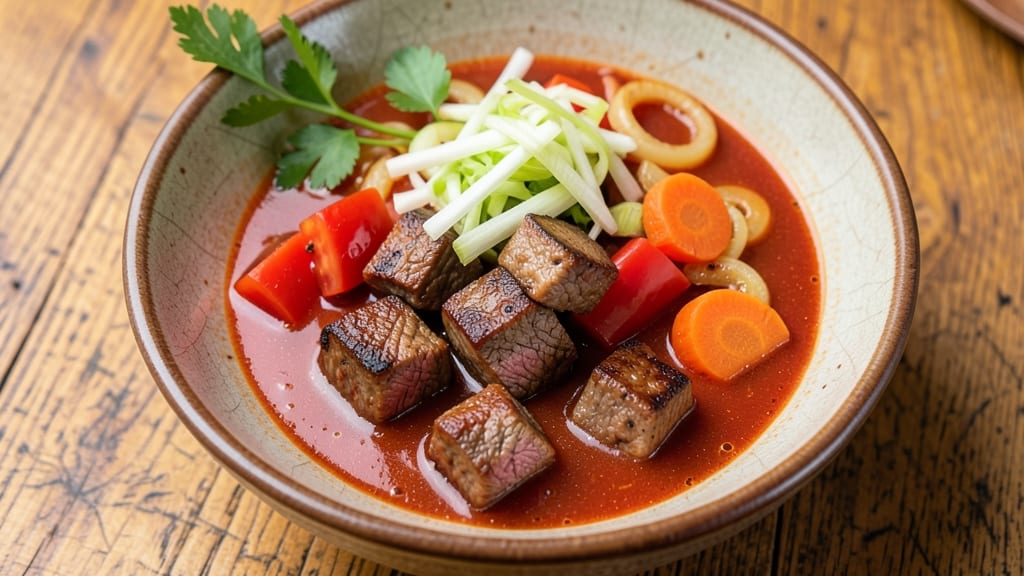
A rich sirloin soup transforms humble pantry staples into a deeply satisfying meal that balances hearty protein with aromatic vegetables. This recipe builds on classic French consommé techniques while adapting for home kitchens, where seared beef and slow-simmered broth create restaurant-quality depth.
The key lies in proper browning and layered seasoning—steps that elevate simple ingredients into something extraordinary.
What sets this soup apart is its umami-forward broth, achieved through careful caramelization of beef and vegetables before adding liquid. A 30-minute simmer at low heat develops complex flavors without overcooking the tender sirloin, while aromatic herbs and a touch of tomato paste add brightness.
The result is a velvety, deeply flavorful soup that feels indulgent yet remains approachable for weeknight dinners.
By the time you ladle the first bowl, you'll notice the perfect balance of textures—silky broth, tender beef, and al dente vegetables—all infused with savory richness. This isn’t just soup; it’s a complete meal that warms the body and soul, especially on chilly evenings.
The recipe scales effortlessly for gatherings, and leftovers taste even better the next day.
For those who prefer modern twists, consider finishing with a splash of soy sauce or fresh ginger, or garnish with toasted croutons for added crunch. The technique remains the same—what changes is how you personalize it. Let’s create soup that feels like a hug in a bowl.
Ingredients for sirloin soup
Transform humble pantry staples into restaurant-quality sirloin soup with these carefully selected ingredients.
| Ingredient | Amount | Notes |
|---|---|---|
| Sirloin Steak 🥩 | 1 ½ lb | Cut into 1-inch cubes, trimmed of fat |
| Yellow Onion 🧅 | 1 whole | Chopped into 1/2-inch pieces |
| Carrots | 4 medium | Peeled and chopped into 1/4-inch slices |
| Celery Stalks 🥬 | 3 whole | Chopped into 1/2-inch pieces |
| Garlic Cloves 🧄 | 4 cloves | Minced, for depth of flavor |
| Tomato Paste 🍅 | 2 tbsp | High-quality, for umami base |
| Beef Broth 💧 | 6 cups | Homemade or high-quality store-bought |
| Red Wine 🍷 | 1 cup | Dry red, like Cabernet Sauvignon |
| Fresh Thyme 🌿 | 2 sprigs | Or 1 tsp dried thyme |
| Fresh Parsley 🌿 | ¼ cup | Chopped, for garnish and brightness |
| Olive Oil 🫒 | 2 tbsp | Extra-virgin, for searing |
| Salt 🧂 | 1 ½ tsp | Diamond Crystal kosher preferred |
| Black Peppercorns 🌶️ | ½ tsp | Freshly cracked for intensity |
| Bay Leaves 🍃 | 2 whole | For subtle aromatic depth |
| All-Purpose Flour 🌾 | 1 tbsp | For thickening if needed |
The sirloin steak is the foundation—choose well-marbled cuts for maximum flavor. Costco or Whole Foods typically carry the best quality, but any reputable butcher will have suitable options. For vegetables, organic carrots and celery from the store's produce section hold up best during the long simmer. Fresh thyme and bay leaves elevate the broth beyond basic seasoning—Trader Joe's carries excellent dried options if fresh isn't available. The tomato paste should be San Marzano-based for superior umami concentration, though any quality brand will work. Prep the vegetables uniformly (1/4-inch slices for carrots, 1/2-inch pieces for celery) to ensure even cooking throughout the 30-minute simmer.
No red wine? Substitute with additional beef broth plus 1 tbsp balsamic vinegar for depth. Fresh thyme unavailable? Use 1/2 tsp dried thyme, but toast it first in a dry pan for 30 seconds to enhance its flavor profile. The carrots can be swapped for turnips or parsnips if preferred, though they'll alter the soup's natural sweetness. For a quicker version, pre-chopped frozen vegetables work in a pinch—just don't skip the browning step with the beef. The beef broth should be low-sodium if possible, allowing you to control the final seasoning more precisely. If you find yourself with leftover wine after this recipe, consider reducing it further for a quick pan sauce.
This soup develops even better flavors when reheated, so portion into airtight containers and refrigerate for up to 5 days. For longer storage, freeze in glass jars or silicone molds for up to 3 months—the beef remains tender when properly thawed and reheated gently. The fresh parsley should be added just before serving to preserve its vibrant color and bright flavor. For meal prep, consider making a double batch—the extra effort pays off when you can simply reheat and serve comforting bowls throughout the week. The soup's velvety texture comes from the natural breakdown of vegetables during simmering, so avoid overcrowding the pot during initial cooking.
Why You'll Love This Recipe
- One-Pot Magic: I swear by this recipe because it’s literally one pot—no chopping boards, no extra pans, just a big pot and 20 minutes. The sirloin breaks down into tender chunks while the veggies soften, and honestly? The cleanup is just rinsing one bowl.
- Steakhouse in a Bowl: That first bite of sirloin—still rich and meaty—with the sweet carrots and savory garlic? It’s like someone took a fancy steak dinner and turned it into soup. (Yes, even on a Tuesday night.)
- Leftovers That Don’t Suck: Most soups get boring after day two, but this one? The flavors deepen overnight. I freeze half for lazy days, and it reheats like it was just made—no mushy veggies, no sad meat.
- Budget Steak Night: Sirloin on sale? Buy extra. This recipe stretches it further than a grilled steak ever could, and the onions and celery bulk it up without breaking the bank. My wallet and my family thank me.
Step-by-step instructions for sirloin soup with rich umami depth
This method transforms simple pantry staples into a restaurant-worthy soup with deep, layered flavors.
Sear the Sirloin for Maximum Flavor
Pat the 1.5 lb sirloin steak dry with paper towels and cut it into 1-inch cubes, trimming any visible fat. Heat the 2 tbsp olive oil in a large Dutch oven over medium-high heat until shimmering. Working in batches to avoid crowding, sear the steak cubes for 2-3 minutes per side until deeply browned and cooked through to an internal temperature of 160°F.
The key here is developing that Maillard reaction—the browned crust on the meat carries intense flavor that will infuse the entire soup. Don't rush this step; let each piece develop a rich crust before removing and setting aside. You'll notice the oil will darken significantly as the meat releases its juices, creating the foundation for your soup's depth.
Build the Aromatic Base
In the same Dutch oven, reduce heat to medium and add the chopped 1 whole yellow onion, 4 medium carrots, and 3 whole celery stalks. Cook for 8-10 minutes, stirring occasionally, until the vegetables soften and the onion becomes translucent. Add the 4 cloves minced garlic and cook for an additional 30 seconds until fragrant.
This vegetable combination forms the classic "holy trinity" of French cuisine, providing both sweetness from the carrots and earthy depth from the celery. The garlic should be cooked just until aromatic—not browned—so it contributes its flavor without bitterness. If the vegetables begin to stick, add a splash of the 6 cups beef broth to deglaze and scrape up those flavorful browned bits from the bottom of the pot.
Develop the Umami Foundation
Stir in the 2 tbsp tomato paste and cook for 2 minutes until it darkens slightly and loses its raw taste. Add the 1 cup red wine and scrape up any browned bits from the bottom of the pot. Let the wine reduce by half—about 3-4 minutes—until it coats the back of a spoon. This reduction intensifies the wine's flavor and forms the base for your soup's richness.
The tomato paste provides umami depth while the wine adds acidity that balances the soup's richness. Don't be tempted to skip this reduction step—it's what transforms simple ingredients into something extraordinary. You'll notice the aroma change dramatically as the alcohol cooks off and the wine's essence concentrates.
Simmer and Season
Pour in the 6 cups beef broth, then add the 2 sprigs fresh thyme, 2 whole bay leaves, 1.5 tsp salt, and 0.5 tsp freshly cracked black peppercorns. Return the seared steak to the pot and bring everything to a gentle simmer. Partially cover and let it cook for 45-60 minutes, stirring occasionally, until the vegetables are tender and the flavors have melded beautifully.
This long simmer allows all the flavors to develop and the meat to become fork-tender while staying moist. The soup should reduce slightly, concentrating its flavors. Taste and adjust seasoning—you may need to add a bit more salt as the broth reduces. The bay leaves and thyme should infuse their aromatic qualities without being noticeable individually.
Finish and Serve
Remove the bay leaves and thyme sprigs, then stir in the 0.25 cup chopped fresh parsley. If you prefer a slightly thicker soup, whisk in the 1 tbsp all-purpose flour mixed with 2 tablespoons of cold water to create a slurry. Ladle the soup into bowls and garnish with additional parsley if desired.
This soup tastes even better the next day as the flavors continue to develop. Serve with crusty bread to soak up every last drop of that rich, umami-filled broth. The perfect bowl should deliver tender steak, sweet carrots, earthy celery, and a complex broth that sings with wine and tomato depth—each spoonful offering a perfect balance of savory, sweet, and acidic notes.
Pro Tips For Making Sirloin Soup
- SEAR THE STEAK FIRST: Cut the sirloin into 1-inch cubes before searing—thinner pieces cook faster and develop that deep, caramelized crust. I learned this the hard way: big chunks stay tough even after simmering. Use a screaming-hot pan with just a thin layer of oil (about 1 tablespoon) and don’t move them until they’re golden-brown on all sides—this builds flavor that won’t dissolve into the broth.
- SWEEP THE PAN AFTER SEARING: After removing the steak, wipe out the pan with a paper towel to remove all the browned bits, then add a splash of beef broth to deglaze. Those bits are pure flavor—skipping this step means losing half the soul of your soup. A quick 30-second scrape with a wooden spoon gets 90% of it, but the towel grab is non-negotiable for depth.
- SOFTEN VEGETABLES IN BATCHES: Don’t dump all your onions, carrots, and celery into the pot at once. Sauté the onions first until translucent, then add the carrots and celery in two batches—this prevents the soup from turning into a mushy, watery mess. If you’re short on time, microwave the chopped veggies for 2 minutes first, but don’t skip the onion step entirely.
- SIMMER LOW AND LONG: Once everything’s in the pot, keep the heat at a gentle simmer—you should see tiny bubbles, not a rolling boil. High heat breaks down the collagen in the steak too fast, making the soup grainy. I used to rush this, and the broth ended up cloudy. Cover the pot and let it bubble quietly for at least 45 minutes—your patience will pay off with a rich, velvety texture.
Flavor customization for sirloin soup
Spicy Umami Twist
For a bold kick, stir in 1 tbsp gochujang or 2 tsp chili crisp with the tomato paste. Add 1 tsp fish sauce for depth, then simmer for 10 extra minutes.
Top with cilantro and crushed peanuts for texture. This Asian-inspired variation works especially well with a shallot instead of onion. 🌶️
Creamy Garlic Finish
After simmering, blend 1 cup of the broth with ½ cup heavy cream and 2 roasted garlic cloves until smooth. Stir this back into the pot and finish with ½ tsp smoked paprika. Garnish with crispy fried shallots for a restaurant-worthy touch. The cream balances the richness beautifully. 💛
Herb-Infused Brightness
Swap thyme for 1 tbsp fresh tarragon and 1 tbsp fresh marjoram, then add 1 tsp lemon zest at the end. The citrus notes cut through the richness while the herbs add an elegant complexity. Serve with lemon wedges for squeezing. This variation feels lighter yet equally flavorful. ✨
Smoky Chipotle Depth
Add 1 chipotle pepper in adobo sauce (minced) with the tomato paste. Simmer the soup uncovered for 15 minutes to let the smoky flavors meld. Finish with ¼ cup crumbled cotija cheese and avocado slices. The smoky-sweet contrast is irresistible. 🔥
Mushroom Earthiness
Sauté 8 oz cremini mushrooms with the onions and garlic. Add 1 tsp dried porcini powder (or 2 tbsp rehydrated porcini mushrooms) for extra umami. The mushrooms add a meaty texture that complements the sirloin perfectly. 🍄
Creamy Potato Addition
Add 2 diced Yukon Gold potatoes with the vegetables. They’ll absorb the broth beautifully and add a comforting creaminess. For extra richness, stir in ¼ cup sour cream at the end. This version feels heartier and more substantial. 🥔
Nutrition facts
Frequently asked questions about rich beef soup
Can I use sirloin tips instead of regular sirloin steak?
Sirloin tips are even more flavorful due to their higher fat content, which melts into the broth during cooking. Use the same 1.5 lb quantity and trim excess fat to maintain balance. The meat will become incredibly tender during the 45-60 minute simmer, creating a richer, more velvety texture in your soup.
How do I prevent the soup from becoming too thin?
Start with a 30-minute simmer instead of 60 minutes to reduce evaporation. For extra thickness, whisk in 1 tbsp flour mixed with 2 tbsp cold water at the end. If using potatoes, they'll naturally thicken the broth as they absorb liquid. Always taste and adjust—adding a splash of broth or water is better than over-thickening.
What's the best way to reheat leftovers?
Gently reheat on the stove over medium-low heat until just warm—never boil. For microwave reheating, cover with a damp paper towel and heat in 30-second intervals, stirring between each. The soup's texture improves after resting overnight, so plan to reheat slowly to preserve its velvety consistency.
Can I make this soup in an Instant Pot?
Yes! Sear the beef first in a separate pan, then add all ingredients to the Instant Pot and cook on High Pressure for 25 minutes. Release pressure naturally, then adjust seasoning. The high-pressure method reduces cooking time while maintaining deep flavor. For extra richness, finish with a splash of red wine after cooking.
Why does my soup taste bland?
Blandness usually comes from skipping the searing step or insufficient reduction of the wine. Always brown the beef thoroughly and reduce the wine until it coats the back of a spoon. Taste as you go—add more salt, a splash of soy sauce, or a pinch of smoked paprika to deepen the umami. Fresh herbs added at the end also brighten the flavor profile.