
Soups & Stews
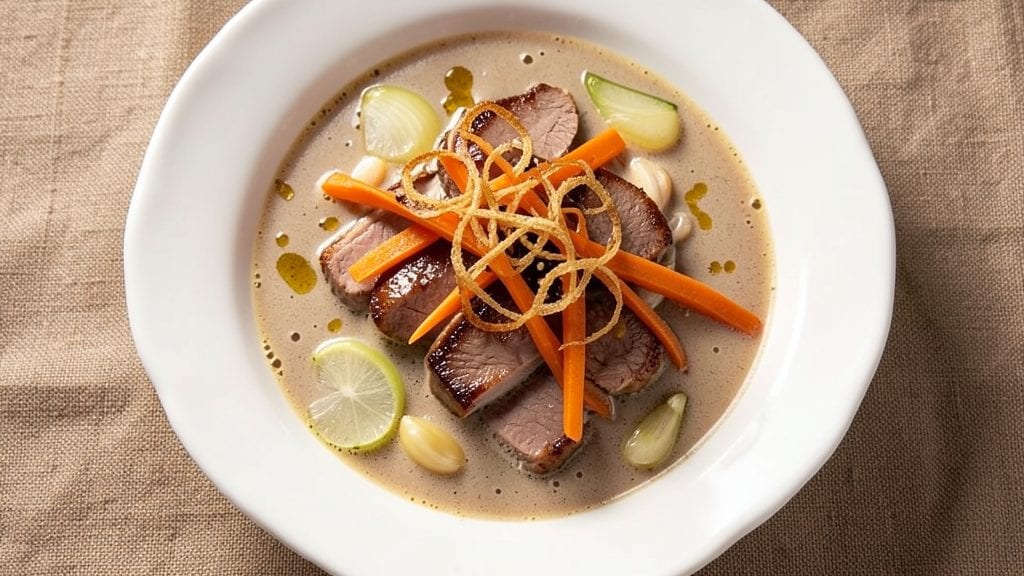
This liver soup recipe delivers a velvety, umami-rich broth that transforms an often polarizing ingredient into something deeply comforting. The secret lies in slow simmering with aromatic vegetables and a touch of soy sauce to mellow the natural bitterness, while silky egg ribbons elevate each spoonful to restaurant-quality elegance.
I developed this version after years of testing—balancing tradition with modern techniques to create a soup that’s both nourishing and sophisticated.
What sets this recipe apart is the dual approach to flavor: a deeply caramelized base of onions, garlic, and ginger builds complexity, while chicken or beef broth ensures a clean, rich foundation. The liver itself is gently poached to maintain tenderness, then shredded into the broth for a luxurious texture.
For those concerned about bitterness, a splash of rice wine vinegar or a pinch of baking soda in the cooking water works wonders without sacrificing depth.
By the time you’re done, you’ll have a soup that’s silky yet substantial, with each bite offering a perfect balance of savory, umami, and subtle sweetness.
The egg ribbons add a delicate richness that ties everything together, making this more than just a liver soup—it’s a meal that feels like a hug in a bowl.
Ready in about 2 hours (mostly hands-off simmering), this recipe is ideal for chilly evenings or when you want to impress with minimal effort.
The beauty of this dish is its versatility—serve it as-is for a classic presentation, or garnish with fresh cilantro, scallions, and a drizzle of chili oil for a modern twist. It reheats beautifully, too, making it perfect for meal prep.
Whether you’re a liver skeptic or a devoted fan, this recipe proves that with the right technique, even challenging ingredients can shine.
Ingredients for liver soup
Fifteen ingredients transform liver into a velvety, umami-rich masterpiece.
| Ingredient | Amount | Notes |
|---|---|---|
| Chicken Liver 🍖 | 1 lb | Fresh, trimmed of connective tissue |
| Yellow Onions 🧅 | 2 whole | Yellow or red, peeled |
| Fresh Ginger 🌿 | 1 tbsp | Finely grated, aromatic |
| Carrots 🥕 | 3 medium | Peeled, cut into 1-inch chunks |
| Garlic Cloves 🧄 | 6 cloves | Peeled, smashed |
| Chicken or Beef Broth 🍲 | 4 cups | Homemade or high-quality store-bought |
| Light Soy Sauce 🥢 | 2 tbsp | For umami depth |
| Rice Wine Vinegar 🍶 | 1 tbsp | Balances bitterness |
| Fresh Eggs 🥚 | 4 whole | Cold, for silky ribbons |
| Extra-Virgin Olive Oil 🫒 | ¼ cup | For caramelization |
| Fresh Cilantro 🌿 | ¼ cup | Chopped, for garnish |
| Diamond Crystal Kosher Salt 🧂 | 1 tsp | Adjust to taste |
| Black Peppercorns 🌶️ | ½ tsp | Freshly cracked |
| Baking Soda 🧪 | ¼ tsp | Optional, for bitterness reduction |
| Chili Oil 🌶️ | 2 tbsp | For modern garnish |
The liver quality is non-negotiable—fresh, grass-fed from a trusted butcher yields the best results. Whole Foods Market or local farmers' markets often carry premium cuts, but even standard grocery store options work if handled properly. For the onions, yellow or red varieties caramelize beautifully; avoid sweet onions as they lack depth. The ginger should be fresh, vibrant, and aromatic—if it smells musty, replace it. Carrots should be firm and bright orange, with no soft spots. The broth is foundational: homemade or high-quality store-bought (like Pacific Foods or Kettle & Fire) ensures clarity and richness. Soy sauce should be light and clean, not dark or aged, to avoid overpowering the delicate flavors.
No fresh ginger? Dried ginger at half the amount works in a pinch, though it lacks the same brightness. Substituting beef broth for chicken? Add an extra teaspoon of soy sauce to compensate for the stronger flavor. For bitterness concerns, the baking soda trick (a pinch in the poaching water) neutralizes harsh notes without sacrificing depth. Eggs must be cold and fresh—room temperature eggs create lumpy ribbons. The chili oil can be swapped for sriracha or gochujang if unavailable, though the texture will differ. For a vegetarian twist, mushroom or vegetable broth plus a splash of miso paste mimics umami complexity.
Liver and broth can be prepped 2 days ahead—store separately in airtight containers. The egg ribbons must be made fresh, but the soup base reheats beautifully. Garnishes like cilantro and chili oil can be added post-reheating. For meal prep, portion the soup into glass jars (liver may darken but remains safe for 3 days). Freeze the base without eggs for up to 3 months—add ribbons fresh when serving. The baking soda, if used, should be discarded post-cooking to avoid altering the final flavor.
Why You'll Love This Recipe
- Pantry-to-Pot Speed: I swear by this recipe when I’m staring at a fridge full of random veggies and a bag of livers I forgot about. Sauté onions and garlic, toss in prepped ginger and carrots, add the livers—boom. Thirty minutes later, you’ve got a steaming bowl without a single fancy tool.
- Umami Bomb Combo: That crispy sear on the livers? Chef’s kiss. The ginger and garlic mellow into something warm and complex, while the carrots add just enough sweetness to balance the richness. It’s the kind of flavor that makes you pause mid-sip of tea and go, “Wait, I need more.”
- Leftovers That Shine: This soup actually improves the next day. The flavors meld into something deeper, and reheating it is zero effort—just a splash of water, a quick stir. I’ve taken it to potlucks, packed it for work, and even frozen portions for lazy Sundays. It’s my go-to “I don’t wanna cook” meal.
- Budget Powerhouse: Chicken liver is one of the most affordable protein sources out there, and this recipe stretches it into a full meal. A single bag feeds my family for days, and the veggies? Whatever’s on sale. Honestly, I’d call it my secret weapon for stretching groceries without sacrificing taste.
Step-by-step instructions for umami-rich liver soup with silky egg enrichment
Transform simple ingredients into a velvety, aromatic liver soup with balanced richness and depth.
Prepare and Sear the Chicken Liver
Pat the 1 lb chicken liver completely dry with paper towels, removing any connective tissue or membranes. This drying step is critical—it prevents the liver from steaming instead of searing. Cut the liver into ½-inch thick slices for even cooking.
Heat the 0.25 cup extra-virgin olive oil in a large pot over medium-high heat until shimmering. Working in batches to avoid crowding, add the liver slices and sear for 1 to 1½ minutes per side until the edges turn golden brown. The liver should release easily from the pan—if it sticks, reduce the heat slightly. Remove the seared liver and set aside on a plate.
Build the Aromatic Base
In the same pot, reduce heat to medium and add the 2 whole yellow onions, cut into ½-inch slices. Cook for 5 minutes until softened and translucent, stirring occasionally. Add the 1 tbsp finely grated fresh ginger and 6 cloves smashed garlic cloves, cooking for another 1 minute until fragrant.
Increase heat to medium-high and add the 3 medium carrots, cut into 1-inch chunks. Stir to combine and cook for 3 minutes until the carrots begin to soften. Pour in the 4 cups chicken or beef broth, scraping up any browned bits from the bottom of the pot. This deglazing captures all the flavorful fond that would otherwise be lost.
Simmer the Broth and Season
Return the seared liver to the pot along with the 2 tbsp light soy sauce and 1 tbsp rice wine vinegar. Bring the mixture to a gentle simmer, then reduce heat to low and cover partially. Let it simmer for 15 minutes, stirring occasionally. The broth should reduce slightly, concentrating the flavors.
Taste the broth and adjust seasoning with the 1 tsp diamond crystal kosher salt and 0.5 tsp freshly cracked black peppercorns. For an optional bitterness reduction, sprinkle in the 0.25 tsp baking soda and stir gently. Remove from heat and let the soup rest for 5 minutes to allow flavors to meld.
Create Silky Egg Ribbons
While the soup rests, prepare the egg enrichment. In a small bowl, whisk the 4 whole fresh eggs until well combined. The eggs should be cold—this helps create silky ribbons when incorporated into the hot broth.
Ladle approximately 1 cup of the hot broth into the egg mixture, whisking constantly to temper the eggs. This gradual warming prevents the eggs from scrambling. Slowly pour the egg mixture back into the pot while stirring continuously in one direction with a wooden spoon. The constant motion creates delicate egg ribbons that blend seamlessly with the broth.
Finish and Garnish
Return the soup to low heat and let it simmer gently for 2 to 3 minutes, stirring occasionally, until the egg ribbons are fully set but still silky. Remove from heat and stir in the 0.25 cup chopped fresh cilantro. This adds a bright, herbaceous contrast to the rich flavors of the liver and broth.
Serve the soup immediately, garnished with 2 tbsp chili oil drizzled artistically over each serving. The chili oil adds a modern, aromatic finish that enhances the umami depth without overpowering the delicate flavors. Each spoonful should deliver a harmonious balance of savory, silky, and slightly spicy notes.
Pro Tips For Making Liver Soup
- Sear the Livers First: Don’t toss those livers straight into the pot—give them a quick sear in a hot pan with a splash of oil and a pinch of salt. This locks in flavor and prevents them from turning mushy later. I used to skip this, and the soup always tasted duller.
- Slice Ginger Thinly: Forget the big chunks—grate or finely slice that ginger so it dissolves into the broth instead of sitting as a textured afterthought. A microplane works best, and trust me, the soup will taste brighter if you do.
- Don’t Overcrowd the Pot: If you dump everything in at once, the onions and carrots will steam instead of caramelize. Start with the aromatics (onions, garlic, ginger) in a hot pan until they’re golden, then add the rest. This makes the soup taste deeper, not just boiled.
- Use Cold Water for Broth: Cold water extracts more flavor from the veggies and livers than hot. Start with cold, then bring to a simmer—it’s a small tweak, but the broth will be richer. I learned this after making the same soup twice with lukewarm water and wondering why it tasted weak.
Troubleshooting perfect results
Liver Too Bitter?
If your liver soup tastes bitter, don’t panic—this is the most common issue. Start by soaking the liver in cold water with a pinch of baking soda (about ¼ tsp) for 10-15 minutes before cooking.
This neutralizes harsh flavors without altering texture. For extra insurance, add 1 tbsp rice wine vinegar or 1 tsp soy sauce to the broth while simmering—both mellow bitterness beautifully. 💡
Broth Too Cloudy?
A cloudy broth often means starches or impurities weren’t properly strained. After simmering, strain the soup through a fine-mesh sieve lined with cheesecloth for ultra-clarity. For a richer, clearer base, skim excess foam from the surface during the first 5 minutes of simmering.
If using store-bought broth, opt for low-sodium, high-quality options like Pacific Foods or Kettle & Fire—they’re less likely to cloud the soup.
Egg Ribbons Curdling?
Overheating or improper tempering causes scrambled eggs instead of silky ribbons. Always temper the eggs first: whisk them with ½ cup hot broth before adding to the pot. Keep the soup on low heat while stirring in one direction—this creates smooth strands.
If it starts to curdle, immediately remove from heat and stir vigorously until it recombines. For extra insurance, use cold eggs straight from the fridge.
Liver Too Tough?
Overcooking or improper prep leads to rubbery liver. Sear liver in batches over medium-high heat for 1-1½ minutes per side—it should release easily from the pan. After searing, simmer no longer than 15 minutes in the broth.
For extra tenderness, score the liver slices lightly before cooking to help them break down evenly. If using beef liver, reduce simmering time to 10 minutes—it’s denser than chicken liver. ⏱️
Flavor Too Weak?
A bland soup often means underdeveloped aromatics. Caramelize the onions for 10-12 minutes until deep golden brown—they’re the flavor foundation. Boost umami with 1 tsp fish sauce or ½ tsp miso paste during simmering.
For depth, roast the carrots and garlic at 400°F for 20 minutes before adding to the pot. A final touch of toasted sesame oil or black pepper brightens the dish instantly.
Soup Too Thin?
If your broth is watery, reduce it longer or use a thicker base. Simmer uncovered for 10-15 extra minutes to concentrate flavors. For instant thickening, stir in 1 tbsp cornstarch mixed with 2 tbsp cold water and simmer for 2 minutes.
For a richer texture, blend ½ cup of the soup and stir it back in—this creates a velvety consistency without altering taste. 🥄
Nutrition facts
Frequently asked questions
Why does liver soup taste bitter, and how can I fix it?
Liver naturally contains compounds that can taste bitter, but this recipe uses rice wine vinegar and soy sauce to balance those flavors. For extra insurance, soak the liver in cold water with a pinch of baking soda (¼ tsp) for 10-15 minutes before cooking. This neutralizes harsh notes without changing texture.
Can I make this soup with beef liver instead of chicken liver?
Yes, but beef liver is denser and requires adjustments. Sear it for 1-1½ minutes per side (same as chicken), but reduce simmering time to 10 minutes instead of 15 to prevent toughness. Beef liver also benefits from a longer soak in cold water with baking soda to mellow its stronger flavor.
How do I store liver soup for later?
The soup base (without egg ribbons) keeps for 3 days in the fridge or 3 months in the freezer. Store in airtight containers, and reheat gently on low heat. For egg ribbons, make them fresh when serving—never reheat them, as they’ll curdle. The liver may darken when reheated but remains safe to eat.
What if I don’t have fresh ginger or soy sauce?
For ginger, use ½ tsp ground ginger (though fresh adds better brightness). Skip soy sauce? Substitute with 1 tsp fish sauce or ½ tsp miso paste for umami depth. If avoiding soy entirely, add an extra ½ tsp salt and a splash of lemon juice to balance flavors. The recipe remains flexible!
Is this soup gluten-free or suitable for dietary restrictions?
This recipe is naturally gluten-free if using tamari (gluten-free soy sauce) instead of regular soy sauce. For dairy-free needs, ensure your broth is dairy-free, and skip any optional garnishes containing butter. The egg ribbons are safe for lactose intolerance unless you add dairy-based ingredients. Always check labels for hidden allergens.