
Soups & Stews
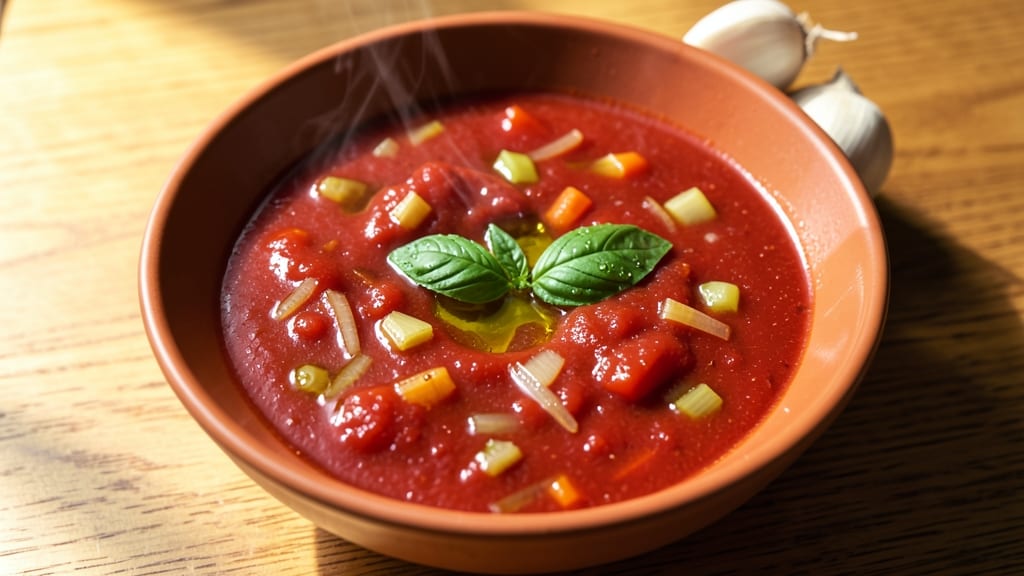
This copycat tomato soup recipe delivers the same velvety texture and rich flavor you'd expect from a high-end restaurant—without the markup. The secret lies in a precise blend of canned tomatoes, aromatic vegetables, and a touch of cream that transforms simple ingredients into something extraordinary.
I've replicated the version that always gets rave reviews, ensuring every spoonful is smooth, slightly sweet, and packed with hidden vegetable power.
The foundation of this soup begins with sautéing onions, carrots, and celery until they're deeply aromatic, creating a flavor base that carries through the entire dish. A splash of red wine adds depth, while canned tomatoes and vegetable broth form the velvety body.
The real magic happens when you blend it just until smooth—silky without losing that rustic tomato character. It's a foolproof method that delivers restaurant-quality results in under an hour.
What sets this recipe apart is the balance of sweetness and acidity, achieved through a touch of sugar and a squeeze of lemon at the end.
The result is a soup that's rich yet light, creamy without being heavy, and full of complex flavors that make it impossible to resist.
Serve it with grilled cheese sandwiches for the ultimate comfort food experience, or enjoy it as a standalone dish that warms you from the inside out.
This version is designed to be adaptable—use fresh tomatoes in season for a brighter flavor, or swap the cream for coconut milk for a dairy-free option. The instructions are clear, the technique is straightforward, and the results are consistently delicious. Let's recreate that beloved restaurant experience in your own kitchen.
Ingredients for copycat tomato soup
Simple pantry staples transform into restaurant-style tomato soup with velvety texture and hidden veggie depth.
| Ingredient | Amount | Notes |
|---|---|---|
| Yellow Onion 🧅 | 1 whole | Diced small for even cooking |
| Carrots 🥕 | 2 medium | Peeled and chopped into chunks |
| Celery Stalks 🧄 | 3 whole | Diced finely for aromatic base |
| Garlic Cloves 🧄 | 3 cloves | Minced for deep flavor |
| Canned San Marzano Tomatoes 🍅 | 2 cans | 28 oz each, crushed by hand |
| Vegetable Broth 💧 | 4 cups | Low-sodium preferred |
| Dry Red Wine 🍷 | ½ cup | Cabernet Sauvignon works well |
| Heavy Cream 🥛 | ½ cup | Full-fat for richness |
| Granulated Sugar 🍚 | 1 tbsp | Balances acidity |
| Lemon Juice 🍋 | 1 tbsp | Freshly squeezed |
| Olive Oil 🫒 | 2 tbsp | Extra-virgin preferred |
| Salt 🧂 | 1 tsp | Kosher or sea salt |
| Black Pepper 🌶️ | ½ tsp | Freshly ground preferred |
| Fresh Basil Leaves 🌿 | ¼ cup | Chopped for garnish |
The San Marzano tomatoes are non-negotiable here—they're sweeter and less acidic than regular canned tomatoes, giving that authentic restaurant taste. Trader Joe's carries them year-round, and they're worth the slightly higher price. If you can't find them, Muir Glen is a solid backup. The carrots and celery should be fresh but not super crisp—think 'just past their prime' for the best flavor. Organic produce from the grocery store works fine, but avoid anything with a weird smell. The onion? Yellow is classic, but red adds a subtle sweetness if you're feeling fancy. Store all your veggies in the fridge until ready to use—no need to peel the carrots until you're ready to chop them.
No red wine? Substitute with extra vegetable broth—just add another cup. Fresh basil is ideal, but dried oregano at one-third the amount works in a pinch. The heavy cream can be swapped for coconut milk for dairy-free, though the texture will be slightly lighter. Want more depth? Add a pinch of smoked paprika. For the tomatoes, if you're using fresh ones, roast them first for that canned-tomato flavor. The sugar might seem odd, but it's key to balancing the acidity—trust me on this. And if you're using low-sodium broth, you might want to add an extra pinch of salt at the end.
This soup tastes even better the next day as all the flavors meld together. Keeps for 5 days in the fridge, and freezes beautifully for up to 3 months. I like to portion it into containers with a dollop of cream on top—perfect for quick lunches. The basil wilts fast, so add it right before serving. If you're making a big batch, double the cream and freeze it in ice cube trays for easy portioning later. The soup reheats well, but if it gets too thick, just stir in a splash of broth or water.
Why You'll Love This Recipe
- No Chopping Chaos: I swear by this one—just dice the onion, carrots, and celery once, toss them in a pot, and let the stove do the work. The San Marzano tomatoes handle the heavy lifting, so you’re basically done before the kids even ask what’s for dinner.
- Garlic Bomb Flavor: That slow-simmered garlic? Oh, it’s there—in the best way. The San Marzano’s natural sweetness lets the garlic shine without overpowering, and the celery-carrot base adds this subtle depth that makes it taste like a restaurant’s secret.
- Freezer-Friendly Magic: Make a double batch and freeze half. When you’re staring at a sad fridge on a Tuesday night, this soup thaws in 20 minutes and tastes like you slaved over it. (Between us, it’s my lazy-day hero.)
- Pantry Staple Power: Onion, carrots, celery, garlic—you’ve got these. Add a can of tomatoes, and boom, you’re cooking with ingredients that won’t break the bank. It’s the kind of recipe that makes me feel fancy without the grocery bill to prove it.
Step-by-step instructions for copycat tomato soup recipe
Here's how to make this velvety tomato soup with hidden veggie goodness—simple steps for restaurant-quality results.
Sauté the Aromatic Vegetable Base
Heat the 2 tablespoons olive oil in a large pot over medium heat. Add the diced small yellow onion, chopped carrots, and finely diced celery stalks. Cook for 8-10 minutes until the vegetables soften and the onion becomes translucent. You'll notice the carrots and celery releasing their natural sweetness and the mixture turning a deeper golden hue.
Real talk: Don't walk away during this step. The vegetables should be tender but not browned—this ensures they melt into the soup without adding any bitterness. Stir occasionally to prevent sticking, and if the pot starts to look dry, add a splash of water. This is the flavor foundation, so take your time here.
Add Garlic and Tomatoes for Depth
Push the vegetables to one side of the pot and add the minced garlic cloves. Stir for 30 seconds until fragrant—you'll smell that unmistakable garlic aroma filling your kitchen. Pour in the 0.5 cup dry red wine and let it simmer for 2-3 minutes until mostly evaporated.
Add the crushed canned San Marzano tomatoes (about 28 ounces total) and stir well. The acidity of the tomatoes will brighten the flavors. Bring everything to a gentle boil, then reduce heat to medium-low and let it simmer uncovered for 15 minutes. This allows the tomatoes to break down and develop their natural sweetness while the wine's alcohol cooks off.
Build the Soup with Broth and Seasonings
Pour in the 4 cups vegetable broth and add the 1 tablespoon granulated sugar, 1 teaspoon salt, and 0.5 teaspoon black pepper. Stir well to combine. The sugar balances the acidity of the tomatoes, while the salt and pepper enhance all the flavors. Let the soup simmer uncovered for another 15 minutes until the vegetables are completely tender and the flavors have melded together.
Here's the thing—this is where the hidden veggie power comes through. The carrots and celery add natural sweetness and depth, while the onion provides a subtle complexity. Taste the soup now—it should be rich and flavorful, but still need that velvety finish.
Finish with Cream and Brighten with Lemon
Reduce the heat to low and stir in the 0.5 cup heavy cream. Let it warm through for 2-3 minutes, stirring constantly to prevent curdling. The cream will give the soup that luxurious, velvety texture we're after. Add the 1 tablespoon lemon juice and stir well. The acidity of the lemon brightens the flavors and cuts through the richness of the cream.
Don't skip this step. The lemon juice is what transforms this from a good soup to a great one. It adds a freshness that makes every spoonful sing. If you're worried about the soup separating, just give it a quick stir before serving—it'll come together beautifully.
Garnish and Serve Warm
Ladle the soup into bowls and garnish each serving with chopped fresh basil leaves. The basil adds a fresh, aromatic finish that complements all the other flavors. Serve immediately while still warm—this soup is best enjoyed fresh from the pot.
This copycat recipe delivers that perfect balance of sweet, tangy, and creamy flavors with a velvety texture you'd expect from a high-end restaurant. The hidden veggies make it nutritious without sacrificing any of that comforting, hearty goodness. Enjoy with crusty bread or a simple green salad for the ultimate meal.
Pro Tips For Making Copycat Tomato Soup
- Sweat the Veggies Properly: Don’t rush the onion, carrot, and celery—cook them on medium-low heat with a splash of water or broth until they’re actually soft, not just slightly tender. I used to burn this step, and the soup ended up tasting raw and bitter. A good rule: if you can still hear crunch when you bite a piece, keep cooking.
- Use Whole Garlic Cloves: Crush the garlic cloves (not mincing) and let them sit in the oil for 30 seconds before adding the tomatoes. This prevents burning and builds deeper flavor—no need to overcomplicate it. Skip the pre-minced jar; it releases moisture and turns to paste.
- Don’t Skip the Tomato Skin: San Marzano tomatoes are sweet and meaty, but scraping off the skins makes the soup taste thinner and less rich. Just crush the tomatoes by hand (or use your knuckles) and leave the skins in—they add texture and body.
- Simmer, Don’t Boil: After adding the tomatoes, keep the heat at a gentle simmer (tiny bubbles, not rolling). Boiling burns the tomatoes and makes the soup taste harsh. If it’s too thick, add a splash of water or broth later—don’t force it early.
Perfect pairings for copycat tomato soup
Classic Grilled Cheese
This soup is legendary with a crispy, gooey grilled cheese sandwich. Use sourdough bread and sharp cheddar for the best texture contrast. I like to add a slice of tomato and a sprinkle of black pepper before pressing in a butterfly maker or pan with butter until golden brown.
The richness of the cheese pairs perfectly with the soup's acidity. 🧀
Crusty Bread Sticks
For a lighter option, serve with warm garlic breadsticks—toss 1 cup bread dough with 1 tbsp olive oil, 1 minced garlic clove, and ½ tsp dried parsley. Bake at 375°F for 12-15 minutes until golden. The garlic flavor complements the soup beautifully without overpowering it.
Fresh Arugula Salad
A simple arugula salad with lemon vinaigrette adds a peppery, bright contrast. Toss 4 cups baby arugula with 2 tbsp olive oil, 1 tbsp lemon juice, ½ tsp Dijon mustard, and a pinch of salt.
The acidity in the dressing cuts through the soup's creaminess, balancing the meal perfectly. 🥗
Roasted Garlic Bread
For extra decadence, try roasted garlic bread—slice a baguette in half, mix 4 cloves roasted garlic with 2 tbsp softened butter, and spread generously. Toast in the oven at 375°F for 8-10 minutes until golden. The mellow garlic flavor enhances the soup's depth without competing.
Wine Pairings
A Pinot Noir from California or Oregon is ideal—its red fruit notes and soft tannins complement the soup's sweetness and acidity. For white wine lovers, a Chardonnay with buttery notes (like a Meursault) works beautifully.
Avoid bold reds or oaky whites that might clash with the dish's delicate balance. 🍷
Creamy Polenta
For a heartier side, serve with creamy polenta—cook 1 cup polenta in 4 cups milk or broth over medium heat for 20 minutes, stirring constantly. The mild, buttery texture soaks up the soup's rich flavors without overpowering them. Add a pinch of nutmeg for extra warmth. 🌾
Nutrition facts
Frequently asked questions
Why does this tomato soup recipe use red wine?
The 0.5 cup dry red wine adds depth and complexity that broth alone can't match. It simmers down to enhance the tomato flavor while adding subtle earthy notes. If you don't drink wine, substitute with extra vegetable broth or a splash of balsamic vinegar for similar depth.
Can I make this soup without cream for a lighter version?
Replace the 0.5 cup heavy cream with 0.5 cup coconut milk for a dairy-free option, or use ½ cup Greek yogurt for tangy creaminess. The texture will be slightly lighter but still velvety. For extra richness, add 1 tablespoon butter at the end.
What's the secret to getting that ultra-smooth texture?
The key is blending the soup just until smooth—don't over-blend or it'll turn gluey. Use an immersion blender directly in the pot for best results. For chunkier texture, skip blending entirely and just stir well. The hidden veggies (carrots, celery) help create that natural creaminess without needing heavy cream.
How do I fix soup that's too acidic?
If your soup tastes too tart, balance it with ½ teaspoon more sugar or a pinch of salt. For a quick fix, stir in 1 teaspoon honey or maple syrup. The lemon juice at the end should only be 1 tablespoon—if you used more, add a bit of sugar to counteract. Taste as you go!
Can I make this soup in a slow cooker?
Yes! Sauté the onions, carrots, celery, and garlic first, then transfer everything to the slow cooker. Cook on low for 6-7 hours or high for 3-4 hours. Stir in the cream and lemon juice at the end, then blend if you prefer smooth texture. The slow cooker makes the flavors even deeper!