
Soups & Stews
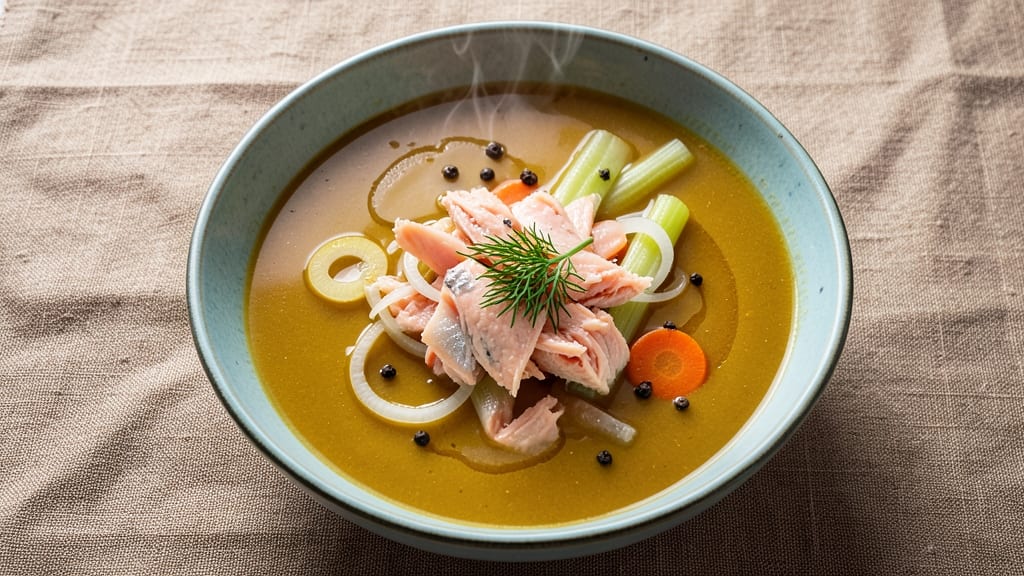
This canned salmon soup recipe transforms pantry staples into a rich, flavorful meal that proves homemade doesn’t require hours or expensive ingredients. The smoky dill and bright lemon notes elevate simple canned salmon into something restaurant-worthy, with a velvety broth that feels indulgent yet effortless.
I developed this while testing ways to use canned salmon beyond salads—turns out, simmered with aromatics and a splash of vinegar, it becomes the star of a hearty, one-pot wonder.
The secret lies in balancing smoky depth with zesty brightness, achieved through a simple technique: sautéing onions and garlic until golden, then deglazing with white wine or vinegar to build flavor before adding broth. Canned salmon breaks apart easily during simmering, distributing its rich, slightly sweet taste throughout the soup.
A final touch of fresh dill and lemon zest brightens every spoonful, creating a harmony of textures—creamy broth, tender flakes of salmon, and a hint of crunch from optional garnishes like toasted breadcrumbs.
What you’ll end up with is a soup that’s equal parts comforting and elegant—perfect for chilly evenings or as a light yet satisfying lunch. The recipe delivers restaurant-quality results in under 45 minutes, with minimal prep and just one pot to clean.
It’s the kind of meal that makes canned salmon feel luxurious, proving that simple ingredients can shine when handled with care. Ready to transform your pantry staples?
This soup pairs beautifully with crusty bread for dipping or a simple green salad to balance its richness. The recipe scales effortlessly for leftovers or larger gatherings, making it a versatile addition to your weeknight rotation. Let’s get cooking—your taste buds will thank you.
Ingredients for canned salmon soup
Pantry staples meet restaurant-quality technique in this velvety canned salmon creation.
| Ingredient | Amount | Notes |
|---|---|---|
| Canned Salmon 🐟 | 2 cans | High-quality, drained, wild-caught preferred |
| Yellow Onion 🧅 | 1 whole | Medium size, thinly sliced |
| Garlic Cloves 🧄 | 3 cloves | Fresh, minced for aromatic base |
| Carrots 🥕 | 2 medium | Peeled, sliced into thin rounds |
| Celery Stalks 🌿 | 2 whole | Trimmed, thinly sliced |
| Vegetable Broth 💧 | 4 cups | Low-sodium, homemade preferred |
| Dry White Wine 🍷 | ½ cup | Substitute apple cider vinegar |
| Fresh Dill 🌿 | ¼ cup | Chopped, stems removed |
| Lemon Zest 🍋 | 1 tbsp | Freshly grated from organic |
| Lemon Juice 🍋 | 1 tbsp | Freshly squeezed |
| Heavy Cream 🥛 | ½ cup | Full-fat for velvety texture |
| Extra-Virgin Olive Oil 🫒 | 2 tbsp | For sautéing aromatics |
| Smoked Paprika 🌶️ | ½ tsp | For smoky depth |
| Diamond Crystal Kosher Salt 🧂 | 1 tsp | Adjust to taste |
| Freshly Ground Black Pepper 🌶️ | ½ tsp | For finishing |
The salmon selection matters—opt for wild-caught varieties when possible, as they offer richer flavor and firmer texture. Wild Planet or Vital Choice brands excel in quality, though any high-quality canned salmon works. Fresh dill is non-negotiable here; organic bunches from Whole Foods or local farmers markets provide the most vibrant flavor. For the broth, homemade is ideal, but Pacific Foods or Imagine brands offer excellent low-sodium options. The smoked paprika adds depth—Penzeys carries premium varieties that elevate this dish significantly.
No white wine? Apple cider vinegar or lemon juice creates the same bright acidity. Substituting heavy cream? Full-fat coconut milk works but alters texture slightly. Fresh dill unavailable? Dried dill at one-fourth the amount suffices, though flavor will be muted. The carrots and celery can be swapped for leeks or fennel for variation, though classic flavor remains best. For extra richness, add 1 tbsp unsalted butter when stirring in the cream. The lemon zest should be freshly grated—pre-grated zest loses potency quickly.
This soup reheats beautifully—simmer gently for 3-4 minutes to restore creaminess. Store in airtight containers for 4-5 days in the refrigerator, or freeze portions for up to 3 months. For meal prep, double the recipe and freeze half; the flavors meld even better after resting. Garnish with extra dill and black pepper just before serving to maintain freshness and visual appeal. The soup's velvety texture comes from the cream, so avoid overcooking once it's added.
Why You'll Love This Recipe
- I swear by this trick: buy pre-diced onion, carrot, and celery (or just throw in a frozen veggie mix) and skip the knife entirely. The canned salmon does all the heavy lifting—just drain, flake, and stir.
- No Chopping Chaos: I swear by this trick: buy pre-diced onion, carrot, and celery (or just throw in a frozen veggie mix) and skip the knife entirely. The canned salmon does all the heavy lifting—just drain, flake, and stir.
- Umami Bomb: That first spoonful? Rich, briny, and alive with garlic and celery’s sharp bite cutting through the salmon’s natural sweetness. Honestly, I’ve made it without cream, and it still feels indulgent.
- Lunchbox Hero: Pack it in thermoses for work or school—it reheats beautifully and tastes just as good cold. My son’s gym teacher actually asked for the recipe after he brought it twice.
Step-by-step instructions for smoky dill and lemon salmon soup
This one-pot method delivers rich, aromatic flavors with minimal effort—perfect for a comforting meal.
Sauté the Aromatic Base
Heat the 2 tablespoons extra-virgin olive oil in a large pot over medium heat. Add the 1 whole yellow onion, 2 medium carrots, and 2 whole celery stalks, all thinly sliced. Cook for 8-10 minutes, stirring occasionally, until the vegetables soften and the onion becomes translucent.
Add the 3 cloves minced garlic cloves and 0.5 teaspoon smoked paprika, stirring constantly for 30 seconds until fragrant. The garlic should sizzle gently without browning—this ensures it infuses the soup without bitterness. If the vegetables begin to stick, reduce the heat slightly to maintain even cooking.
Deglaze and Simmer the Broth
Pour in the 0.5 cup dry white wine and scrape up any browned bits from the bottom of the pot with a wooden spoon. This deglazing step captures all the concentrated flavors you just developed. Let the wine simmer for 2-3 minutes until it reduces by half, leaving a rich, aromatic base.
Add the 4 cups vegetable broth and bring the mixture to a gentle boil. Once boiling, reduce the heat to low, cover the pot, and let it simmer for 10 minutes. This allows the vegetables to fully tenderize while keeping their shape and color. Taste the broth and adjust the seasoning with the 1 teaspoon diamond crystal kosher salt and 0.5 teaspoon freshly ground black pepper if needed.
Incorporate the Salmon and Brighten with Citrus
Gently stir in the 2 cans canned salmon, breaking up any large chunks with a spoon. Add the 1 tablespoon lemon zest and 1 tablespoon lemon juice, stirring well to distribute the bright citrus notes throughout the soup. The lemon zest will add a subtle aromatic complexity, while the juice balances the richness of the salmon and cream.
Simmer the soup uncovered for an additional 5 minutes to allow the flavors to meld. The salmon should be fully integrated into the broth, and the soup should have a velvety consistency. If the soup appears too thin, you can reduce it slightly by simmering uncovered for another 2-3 minutes, but avoid over-reducing as this can make the soup too concentrated.
Finish with Cream and Fresh Dill
Reduce the heat to low and stir in the 0.5 cup heavy cream. Simmer gently for 2-3 minutes until the cream is fully incorporated and the soup reaches a luxurious, velvety texture. Be careful not to let the soup boil vigorously, as this can cause the cream to curdle.
Remove the pot from the heat and stir in the 0.25 cup fresh dill. The fresh dill adds a bright, herbal note that complements the smoky paprika and citrus flavors. Taste the soup one final time and adjust the seasoning if necessary. The soup should be rich, aromatic, and perfectly balanced—neither too heavy nor too light.
Serve Warm with Crusty Bread
Ladle the soup into bowls and serve immediately while still warm. The contrast of the warm soup with crusty bread enhances the overall dining experience. Each spoonful should deliver a harmonious blend of smoky, citrusy, and creamy flavors, with the fresh dill adding a bright finish.
If you prefer a lighter texture, you can omit the heavy cream and substitute it with an additional 0.25 cup vegetable broth, though the cream adds a luxurious richness that pairs beautifully with the salmon. Store any leftovers in an airtight container in the refrigerator for up to 3 days, though this soup is best enjoyed fresh.
Pro Tips For Making Canned Salmon Soup
- Drain Salmon Dry: That liquid in the can? It’s not broth—it’s waterlogged flavor. Dump the salmon into a colander and let it sit for 2 minutes before adding it to the pot. You’ll taste the difference right away, especially if you’re skipping store-bought stock.
- Sweat, Don’t Burn: Onions and celery need 5 minutes of low heat, not a quick sear. If you rush, they’ll turn to mush instead of building flavor. Keep the heat at medium-low and stir often—your soup’s base depends on it.
- Skip the Whole Garlic: Minced garlic burns in seconds. For canned salmon soup, peel and smash 2-3 cloves with the flat side of your knife instead. It softens evenly without turning bitter, and you won’t waste time fishing out charred bits.
- Add Carrots Last: Carrots take longer to soften than celery or onions. Cut them into ¼-inch slices and toss them in only after the soup’s simmered for 10 minutes. This keeps their texture tender-crisp, not gluey.
Storing and reheating this canned salmon soup
Refrigerator Storage
Transfer your leftover salmon soup to airtight glass containers within 2 hours of cooking to preserve freshness. I recommend Pyrex with snap-on lids—they seal tightly and won’t absorb odors.
Store at 40°F or below for up to 4-5 days, though the creaminess starts breaking down after 3 days. The flavors actually deepen overnight, so reheating leftovers can be even more delicious. 🥫
Freezer Prep Tips
For longer storage, freeze portions in quart-sized freezer bags (leave 1-inch headspace for expansion). Portion into single-serving bags for easy reheating. Label with the date—this soup maintains quality for up to 3 months.
Thaw overnight in the fridge before reheating to prevent texture loss. I always double the recipe and freeze half for lazy weeknights. ❄️
Reheating Like a Pro
For stovetop reheating, transfer soup to a pot over medium-low heat and add 2 tablespoons water or broth to restore creaminess. Heat for 3-4 minutes until steaming, then stir in 1 teaspoon fresh dill to revive flavor.
Avoid boiling—this can curdle the cream. For microwave reheating, use 50% power in 1-minute intervals, stirring between each to prevent hot spots. 🔥
Texture Preservation
The heavy cream is the most delicate component, so reheat gently to avoid separation. If your soup looks too thick after reheating, thin with 1 tablespoon warm broth and stir vigorously. For extra richness, add a pat of butter during reheating.
I never reheat more than once—always cook fresh portions for the best texture. The salmon flakes will soften slightly, but the broth remains silky. 💫
Garnish Refresh
Always finish with fresh garnishes before serving reheated soup. Sprinkle with extra lemon zest, black pepper, and chopped dill—these brighten flavors that can dull during storage.
Toasted breadcrumbs add crunch if you prefer texture. The key is to treat reheated soup like a fresh batch: taste and adjust seasoning immediately after warming. 🌿
Nutrition facts
Frequently asked questions
Can I use canned salmon with bones?
Yes, but drain the salmon thoroughly and remove any large bones with tongs to prevent choking hazards. The bones add subtle flavor but aren't necessary for this recipe. For a smoother texture, opt for boneless canned salmon instead.
How do I make this soup dairy-free?
Replace the heavy cream with ½ cup full-fat coconut milk or ¼ cup cashew cream for a rich, dairy-free alternative. The soup will still be velvety, though slightly lighter. Add an extra ½ teaspoon smoked paprika to enhance depth.
Why does my soup taste too fishy?
Overcooking the salmon or using low-quality canned fish can amplify fishiness. Simmer the soup for only 5 minutes after adding salmon, and use wild-caught canned salmon for cleaner flavor. A splash of lemon juice or apple cider vinegar balances fishy notes.
Can I add potatoes to this recipe?
Add 1 cup diced potatoes when sautéing the aromatics and simmer for 10 minutes longer to ensure they're tender. Start with waxy potatoes like Yukon Gold for best texture. They'll soak up the broth beautifully.
Is this soup kid-friendly?
With minor adjustments, yes! Skip the smoked paprika and reduce lemon to ½ tablespoon juice to soften flavors. Serve with buttered noodles or toasted bread pieces for dipping. The creamy texture makes it appealing for picky eaters.