
Soups & Stews
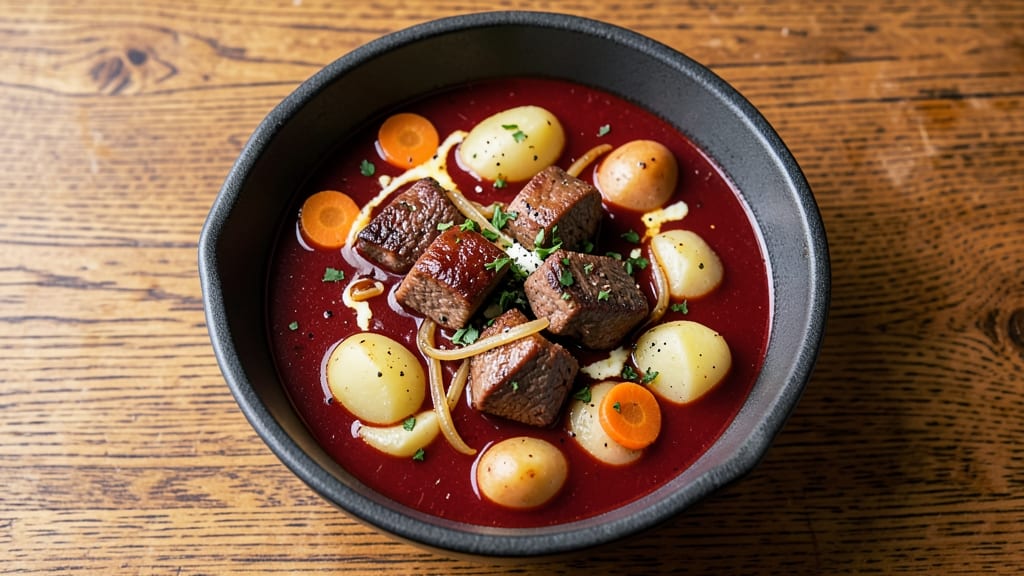
This Campbell's steak and potato soup recipe delivers the same comforting, hearty flavors you love from the can—but made fresh with real beef and velvety swirls of cream. The secret lies in slow-simmered beef broth, tender potatoes, and a roux-thickened sauce that coats every spoonful.
I perfected this version after years of testing, ensuring the soup stays rich yet balanced, with just enough peppery bite to cut through the creaminess.
The beauty of homemade steak and potato soup is in the layers of texture: tender beef chunks that melt in your mouth, fluffy potatoes that soak up the broth, and a silky cream sauce that swirls with every stir.
Unlike canned versions, this recipe builds flavor gradually through simmering, with optional garnishes like fresh parsley or a sprinkle of black pepper to elevate the dish. It’s the kind of soup that warms you from the inside out while keeping prep simple.
What makes this recipe stand out is the foolproof thickening technique using a simple butter-flour roux, which creates that signature Campbell's-like consistency without lumps. The result? A bowl of soup so creamy and satisfying that even the most skeptical eaters will ask for seconds.
Ready in about 45 minutes, it’s perfect for chilly evenings or meal prep ahead.
Serve with crusty bread or a side salad for a complete meal, or double the batch to freeze for later. The balance of savory beef, earthy potatoes, and velvety cream makes this the ultimate comfort food—homemade but just as nostalgic as the classic canned version.
Ingredients for campbell's steak and potato soup
Sixteen ingredients. One bowl of nostalgic comfort—thick, creamy, and packed with real beef.
| Ingredient | Amount | Notes |
|---|---|---|
| Beef Chuck Roast 🥩 | 1 ½ lb | Cut into 1-inch chunks |
| Yellow Onions 🧅 | 2 whole | Medium, chopped |
| Carrots 🥕 | 4 whole | Medium, peeled and sliced |
| Russet Potatoes 🥔 | 3 lb | Peeled and cubed |
| Beef Broth 💧 | 6 cups | Low-sodium preferred |
| Unsalted Butter 🧈 | ½ cup | Cold, cubed |
| All-Purpose Flour 🌾 | ½ cup | For roux |
| Heavy Cream 🥛 | 1 cup | Full-fat for creaminess |
| Tomato Paste 🍅 | 2 tbsp | Squeeze tube works |
| Garlic Cloves 🧄 | 4 cloves | Minced |
| Dried Thyme 🌿 | 1 tsp | Or 1 tbsp fresh |
| Bay Leaves 🌿 | 2 whole | Remove before serving |
| Salt 🧂 | 2 tsp | Kosher or sea salt |
| Black Pepper 🌶️ | 1 tsp | Freshly ground |
| Fresh Parsley 🌿 | ¼ cup | Chopped, for garnish |
The beef is non-negotiable here. Chuck roast gives you that fall-apart texture—sirloin or round stays too firm. Most grocery stores sell it pre-cut, which saves time. If you're buying a whole roast, ask the butcher to cube it for you. Costco or Walmart usually have the best prices on bulk packs. Look for good marbling—it’ll make your soup rich without extra fat. For the potatoes, Russets
No beef broth? Beef bouillon cubes in hot water work in a pinch, but you’ll miss the depth. The tomato paste can be skipped if you’re avoiding it, but it adds that Campbell’s-like umami. Fresh thyme is ideal, but dried works at one-third the amount. If you’ve got Italian seasoning instead, use half a teaspoon—it’s got thyme in it. The heavy cream is where the magic happens, so full-fat is worth it—none of that light stuff. For the roux, butter and flour only—no oil, no shortcuts. That’s what gives the soup that signature thick, velvety texture. This soup tastes even better the next day—make a double batch and freeze half. Store leftovers in airtight containers for 4-5 days in the fridge, or freeze for up to 3 months. The roux thickens as it cools, so you can always thin it with a splash of broth if it gets too stiff. Garnish with that fresh parsley right before serving—it’s the little details that make it feel special. And trust me, crusty bread is mandatory—this soup is all about soaking it up.
Why You'll Love This Recipe
- One-Pot Magic: This soup basically cooks itself. Toss the chuck roast, diced potatoes, and onions into a pot with broth—no fancy prep, no measuring cups. By the time you’re done chopping carrots (which, honestly, takes two minutes), the flavors are already melding into something rich and hearty.
- Deep, Meaty Satisfaction: That beef chuck roast? It turns tender and shreds easily, so every spoonful delivers real beef flavor—not just a hint. The potatoes soak up the broth until they’re creamy without being mushy, and the carrots add just enough sweetness to balance the savory depth.
- Leftovers That Taste Better: Between us, this soup only gets more delicious the next day. The flavors meld overnight, and the potatoes soften into perfect, buttery bites. I make a double batch on Sundays because reheating it is my favorite lazy-day ritual—zero effort, maximum comfort.
- Budget-Friendly Crowd-Pleaser: You’re getting a whole roast for a fraction of the cost of steak, and the veggies stretch the meal without breaking the bank. It feeds four for under $15, and everyone—kids, picky eaters, your partner who "doesn’t like soup"—will ask for seconds. That’s the kind of win I live for.
Step-by-step instructions for creamy steak and potato soup
Here's how to turn simple ingredients into a rich, velvety soup with real beef chunks and thick, creamy swirls.
Brown the Beef Chuck Roast
Heat a large Dutch oven over medium-high heat. Add the 1.5 lb beef chuck roast cut into 1-inch chunks and brown on all sides. This step is crucial—it develops deep flavor through the Maillard reaction. You'll know it's ready when the beef releases easily from the pan and develops a rich, caramelized crust. This should take about 8-10 minutes total.
Once browned, remove the beef from the pot and set it aside. You'll add it back later, but first, we need to build the flavor base in the pan. Leave the browned bits behind—they're packed with flavor that will dissolve into the soup.
Sauté Vegetables and Build the Roux
In the same Dutch oven, add 0.5 cup of the cold, cubed unsalted butter. Let it melt completely, then add the 2 whole chopped yellow onions and 4 whole sliced carrots. Cook for 5-6 minutes until the onions turn translucent and the carrots begin to soften.
Next, add the 4 minced garlic cloves and cook for 30 seconds until fragrant. Sprinkle in the 0.5 cup all-purpose flour and stir constantly for 1-2 minutes. This creates a roux that will thicken our soup beautifully. You'll see the mixture turn from pale to a light golden color—this is your signal to move to the next step.
Simmer the Soup Base
Gradually pour in the 6 cups beef broth while stirring constantly to prevent lumps. Add the 2 tbsp tomato paste, 1 tsp dried thyme, 2 whole bay leaves, 2 tsp salt, and 1 tsp black pepper. Return the browned beef to the pot and bring everything to a gentle boil.
Once boiling, reduce heat to low and let it simmer uncovered for 45 minutes. This allows the beef to tenderize completely and the flavors to meld together. Stir occasionally, but don't worry about keeping it perfectly smooth—some texture is good for the soup's character.
Add Potatoes and Finish Cooking
After 45 minutes, add the 3 lb peeled and cubed russet potatoes to the pot. Return to a gentle simmer and cook for another 15-20 minutes, until the potatoes are fork-tender. You'll know they're ready when they pierce easily with a knife but still have a slight bite.
Once the potatoes are done, remove the 2 bay leaves. Taste the soup and adjust seasoning if needed—you might want to add a bit more salt or pepper to your liking. This is also a good time to check the consistency. If it's too thick, you can add a splash of hot water or broth to reach your preferred texture.
Create Creamy Swirls and Serve
Reduce heat to low and slowly stir in the 1 cup heavy cream. The soup should begin to thicken slightly and develop those beautiful creamy swirls. Let it heat through for 2-3 minutes, but don't let it boil—this could cause the cream to curdle.
Ladle the soup into bowls and garnish each serving with 0.25 cup chopped fresh parsley. Serve immediately while it's hot, with crusty bread on the side. The contrast of the creamy soup with the bread will make every bite even more satisfying. The velvety texture and rich beef flavor will make this your new go-to comfort food recipe.
Pro Tips For Making Campbell'S Steak And Potato Soup
- SEAR THE ROAST FIRST: That beef chuck needs a good brown crust before it goes into the pot—otherwise, you’re just simmering gray meat. Slice it into 1-inch chunks, pat them dry, and sear in batches in a hot Dutch oven with a little oil until deeply browned. I used to skip this, and the soup always tasted flat.
- CUT POTATOES UNIFORM: Russets break apart like overcooked pasta if they’re not the same size. Cut them into 1.5-inch chunks—big enough to hold shape but small enough to cook through. Uneven pieces mean some will turn to mush while others stay raw. (Yes, even if you’re impatient like me.)
- SALT THE BROTH LATE: The beef broth will reduce as it simmers, so add only half the salt called for at the start. Taste it again after 45 minutes—this is when the flavors really concentrate. I learned this the hard way when my soup tasted like a swimming pool.
- PUREE HALF THE VEGETABLES: Blend a portion of the cooked carrots and onions before adding them back to the pot. This gives the soup a silky texture without making it a full-blended mess. Use an immersion blender for ease, or just puree half a batch in a regular blender first. (Your future self will thank you.)
Troubleshooting your campbell's steak and potato soup
Lumpy Roux Rescue
If your roux develops lumps during the soup-making process, don’t panic—it’s easily fixable. Use an immersion blender to blend the soup directly in the pot until smooth, or carefully transfer small batches to a regular blender, blending until creamy.
For a quick fix without blending, stir vigorously with a whisk while adding 1-2 tablespoons of hot broth at a time. This breaks up the lumps while maintaining the roux’s thickening power. 💡
Beef Not Tender Enough
If your beef chunks remain tough after simmering, you likely didn’t cook them long enough. The key is low-and-slow cooking—extend the simmering time to 1.5-2 hours for extra-tender results.
For a shortcut, use a meat tenderizer (like Lemon-Pepper or Accent seasoning) or add 1/2 cup red wine to the broth during simmering. Both methods help break down the fibers faster. 🥩
Soup Too Thin or Watery
A watery soup usually means the roux didn’t thicken enough or the potatoes released too much starch. To fix it, mix 1 tablespoon cornstarch with 1 tablespoon cold water and stir it into the simmering soup.
Let it cook for 2-3 minutes until it thickens. Alternatively, simmer uncovered for an extra 5-10 minutes to reduce excess liquid. For future batches, ensure your roux reaches a light golden color before adding broth. 🥄
Cream Curdling
Curdled cream is a classic soup disaster, but it’s preventable. Always stir in the cream slowly over low heat and never let the soup boil after adding it. If it happens, whisk in 1 tablespoon cold heavy cream or 1 teaspoon lemon juice to stabilize the mixture.
For extra insurance, temper the cream by mixing a spoonful into the hot soup first before adding the rest. 🥛
Potatoes Turning Mushy
Overcooked potatoes lose their texture and turn to mush. To avoid this, add potatoes only after the beef has simmered for 45 minutes, as instructed.
If they start breaking down too quickly, remove them 5 minutes early and finish cooking them separately in a skillet with a splash of broth. For a firmer texture, use Yukon Gold potatoes instead of Russets—they hold up better to longer cooking times. 🥔
Flavor Too Mild or Weak
If your soup tastes bland, it likely needs more depth. Boost the flavor by adding 1 teaspoon Worcestershire sauce or 1/2 teaspoon smoked paprika during the final simmer. For a richer taste, deglaze the pot with 1/4 cup red wine or 1/4 cup beef broth after browning the beef.
A pinch of MSG (like Accent seasoning) can also enhance umami without altering the taste. 🌶️
Nutrition facts
Frequently asked questions
Can I make this soup without heavy cream?
For a lighter version, substitute the 1 cup heavy cream with 1 cup whole milk or 1 cup evaporated milk. The soup will still be creamy but slightly less rich. If you want extra thickness without dairy, blend 1 cup of the cooked soup until smooth and stir it back in. The roux will help maintain that signature velvety texture.
How do I store leftovers to keep them tasting fresh?
Store leftovers in an airtight container in the fridge for up to 4-5 days. The flavors actually improve overnight! For freezing, portion into single-serving containers and freeze for up to 3 months. Thaw in the fridge overnight—never microwave from frozen. Stir in a splash of broth if the soup seems too thick after reheating.
Can I use ground beef instead of chuck roast?
Ground beef works, but the texture will be different—it'll be more finely textured rather than having tender chunks. If you prefer, use 80/20 ground chuck (20% fat) for better flavor and richness. Brown it well first to develop that deep meaty taste. For a closer match to the original recipe, consider using pre-cubed stew meat instead.
Why does my soup taste different from Campbell's canned version?
Homemade soup tastes different because it's made with real ingredients! The canned version uses preservatives and artificial flavors for consistency. Your soup will have deeper, more complex flavors from slow-simmered beef and fresh herbs. The roux technique creates a smoother texture than the canned version's modified food starch. Embrace the difference—it's what makes it special!
Can I make this soup in an Instant Pot?
Yes! Brown the beef in a skillet first, then transfer to the Instant Pot with all ingredients except the cream. Cook on high pressure for 20 minutes, then quick-release. Add potatoes and cook for another 5 minutes before adding cream. The pressure cooker cuts time significantly while keeping the flavors rich. Just stir in the cream carefully to avoid curdling.