
Soups & Stews
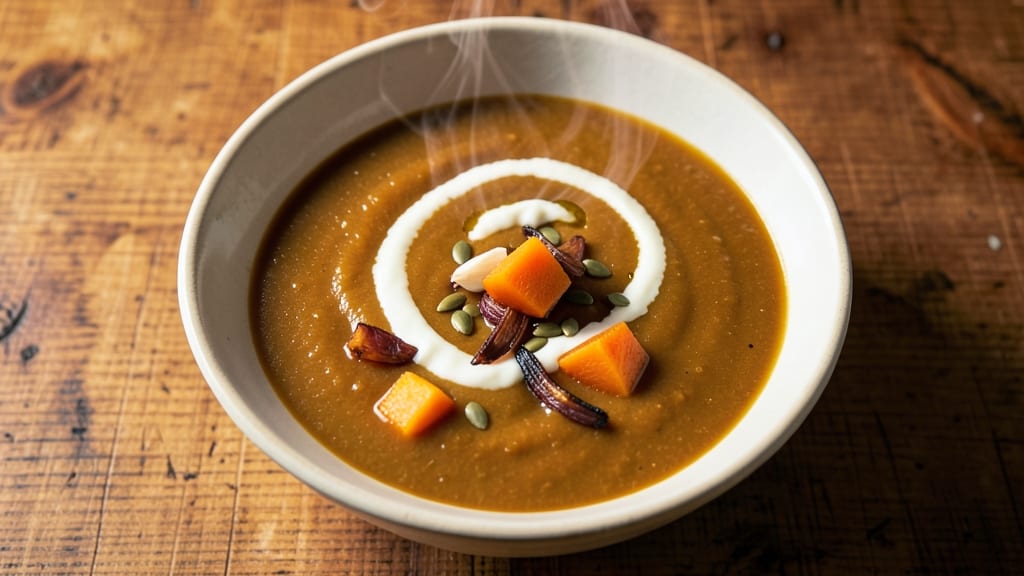
This Campbell's butternut squash soup recipe delivers restaurant-quality velvety smoothness with a depth of flavor that's hard to beat. Roasting the squash first unlocks its natural sweetness and creates a rich, caramelized base that transforms simple ingredients into something extraordinary.
The secret lies in balancing sweetness with savory notes—just like the classic canned version, but with fresh, homemade quality.
What sets this recipe apart is the technique: roasting the squash until tender yet still holding its shape, then blending it with aromatic onions, garlic, and a touch of cream for that signature velvety texture.
The result is a soup that's creamy without being heavy, with just enough warmth from cinnamon and nutmeg to evoke cozy autumn evenings. It's the kind of dish that feels both comforting and sophisticated.
You'll end up with a soup that's perfectly balanced—sweet from the squash, rich from the roasted flavors, and velvety from the cream. The aroma alone will have everyone gathering around the kitchen, and each spoonful delivers that perfect harmony of sweet, savory, and spiced notes.
This is the recipe I turn to when I want to recreate that familiar, comforting taste with fresh ingredients.
While this is a vegetarian base, the possibilities for customization are endless. Add crispy bacon for a savory twist, swirl in a touch of maple syrup for extra sweetness, or top with toasted pumpkin seeds for crunch.
The beauty of this recipe is its adaptability—it's as versatile as it is delicious. Let's get started on creating your perfect bowl of butternut squash soup.
Ingredients for campbell's butternut squash soup
Roasted squash, aromatic spices, and velvety cream come together for restaurant-quality butternut soup.
| Ingredient | Amount | Notes |
|---|---|---|
| Medium Butternut Squash 🎃 | 2 whole | Peeled, seeded, cut into 1-inch cubes |
| Yellow Onion 🧅 | 1 whole | Chopped, medium dice |
| Garlic Cloves 🧄 | 3 cloves | Peeled, minced |
| Extra-Virgin Olive Oil 🫒 | ½ cup | For roasting and sautéing |
| Vegetable Broth 💧 | 4 cups | Low-sodium preferred |
| Heavy Cream 🥛 | ½ cup | Full-fat for richness |
| Ground Cinnamon 🌿 | ½ tsp | Freshly ground preferred |
| Ground Nutmeg 🌿 | ¼ tsp | Freshly grated if available |
| Salt 🧂 | 1 tsp | Kosher or sea salt |
| Black Pepper 🌶️ | ½ tsp | Freshly ground preferred |
| Fresh Thyme Leaves 🌿 | ¼ cup | Chopped, or 1 tsp dried |
| Maple Syrup 🍁 | 1 tbsp | Pure grade B preferred |
| Pumpkin Seeds 🥜 | ¼ cup | Toasted, for garnish |
The butternut squash is the star—look for firm, heavy squash with smooth skin at the grocery store. Trader Joe's and Whole Foods often carry the best quality, but any well-stocked supermarket will do. Roasting unlocks its natural sweetness, so don't skip this step. The Honey Bear variety is my go-to because it's consistently sweet and tender. If you can't find fresh squash, canned butternut squash purée works in a pinch (drain well), but roasting gives you that caramelized depth that canned can't match.
No fresh thyme? Dried thyme works at one-third the amount, but fresh has that bright, aromatic punch. Running low on maple syrup? Honey or agave nectar will work, though maple adds that classic autumnal note. The heavy cream is non-negotiable for that velvety texture—half-and-half works too if you're watching fat, but the richness is worth it here. For the spices, Penzeys or your local bulk section are great sources for high-quality cinnamon and nutmeg. If you're feeling adventurous, a pinch of cardamom adds a sophisticated twist.
This soup reheats beautifully—just warm it gently on the stove with a splash of broth or water to restore creaminess. Store leftovers in an airtight container in the fridge for up to 5 days. For longer storage, freeze portions in 1-cup containers—they thaw perfectly and make quick lunches. The pumpkin seeds add crunch, but you can toast them fresh or use pecans or walnuts for variety. Garnish with a drizzle of cream or extra olive oil for that restaurant-finished touch.
Why You'll Love This Recipe
- No Peel, No Stress: The squash only needs a quick roast—no peeling, no fuss. I just halve it, scoop out the seeds, and roast it cut-side down while I chop the onion and garlic. Twenty minutes later, the flesh falls right off the skin, and you’re golden.
- Golden Garlic Glow: That first spoonful of soup? It’s all about the caramelized onion and roasted garlic melting into the squash. The vegetable broth deepens the flavor without overpowering it—just rich, velvety warmth with a hint of smoky sweetness.
- Crowd-Pleaser Any Day: I’ve served this at potlucks, as a side for Thanksgiving, and even as a quick lunch when my kids come home hungry. The simplicity makes it foolproof, and the taste? It’s the kind of soup that disappears fast, no matter who’s eating it.
- Leftovers That Taste Better: Honestly, this soup improves the next day. The flavors meld even more, and it reheats in minutes. I make a big batch on Sundays, freeze half, and still have my go-to weeknight meal covered—no takeout needed.
Step-by-step instructions for roasted butternut squash velvety soup
Perfecting this soup requires patience and precision—roasting brings out the natural sweetness while creating a silky texture.
Roast the Butternut Squash and Aromatics
Preheat your oven to 400°F and line two rimmed baking sheets with parchment paper. Toss the 2 whole medium butternut squash (cut into 1-inch cubes), 1 whole yellow onion (chopped), and 3 cloves garlic cloves (minced) with 0.5 cup extra-virgin olive oil, 1 tsp salt, and 0.5 tsp black pepper. Spread evenly on the sheets, leaving space between pieces.
Roast for 30-35 minutes, stirring once halfway through, until the squash is tender when pierced with a fork and the edges are deep golden brown. The onions should be caramelized, and the garlic should be fragrant. This roasting step develops the soup's rich, caramelized depth—don't skip it. If the squash isn't soft enough after 35 minutes, return it to the oven for another 5-10 minutes.
Blend the Roasted Vegetables with Broth
Transfer the roasted squash, onion, and garlic to a blender or food processor. Add 4 cups vegetable broth, 0.5 tsp ground cinnamon, 0.25 tsp ground nutmeg, and 0.25 cup fresh thyme leaves. Pulse until combined, then blend until completely smooth, scraping down the sides as needed. This step ensures a silky texture—if the mixture is too thick, add 1-2 tablespoons of broth at a time until it reaches a pourable consistency.
Taste the soup and adjust seasoning with additional salt or black pepper if needed. The natural sweetness of the roasted squash should shine, but the spices should be balanced. If the soup tastes too earthy, add 1 tbsp maple syrup to enhance its sweetness and depth.
Simmer and Finish with Cream
Pour the blended soup into a large pot and bring to a gentle simmer over medium-low heat. Stir in 0.5 cup heavy cream and let it heat through for 5-7 minutes, stirring occasionally. The cream should warm but not curdle—if it starts to separate, reduce the heat to low and stir gently until smooth. The soup should be velvety, with no lumps, and the cream should add a luxurious richness.
Taste again and adjust seasoning one final time. The soup should be perfectly balanced—sweet from the squash and maple syrup, warm from the spices, and creamy from the heavy cream. If it's too thick, thin it with a splash of broth; if too thin, simmer uncovered for 2-3 minutes to reduce slightly.
Garnish and Serve Warm
Ladle the soup into bowls and garnish each serving with 1 tbsp toasted pumpkin seeds. Toast the seeds in a dry skillet over medium heat for 3-4 minutes, stirring constantly, until golden brown and fragrant. Their nutty crunch contrasts beautifully with the soup's smoothness. Serve immediately while warm, as the flavors meld best when enjoyed fresh.
This soup keeps well in the refrigerator for 3-4 days and reheats beautifully. If you prefer a lighter version, omit the heavy cream and stir in an extra ½ cup vegetable broth instead. The roasted technique ensures a depth of flavor that can't be achieved by boiling alone—trust the process, and you'll have a soup worthy of any gathering.
Pro Tips For Making Campbell'S Butternut Squash Soup
- CHAR THE ONIONS: Get them deep golden, not burnt—this is where the soup’s depth lives. Cook the onions in olive oil over medium-low heat for 12-15 minutes, stirring occasionally, until they’re almost caramelized. I used to rush this, and the soup always tasted flat. Patience here makes a real difference.
- ROAST THE SQUASH FIRST: Skip the raw chunks—roast the butternut squash at 400°F (200°C) for 25-30 minutes before blending. The caramelized edges sweeten the soup and cut through the broth’s bitterness. Yes, it’s an extra step, but it transforms the texture and flavor.
- SALT THE BROTH: Don’t assume the broth is seasoned enough. Taste it before adding to the pot—if it’s bland, add ½ teaspoon salt per cup. Campbell’s broth is often low-sodium, and you’ll regret it later if you skip this. Trust me, your soup will thank you.
- BLITZ THE GARLIC: Smash the garlic cloves with the flat side of your knife before adding them to the pot. This releases more flavor without burning. I used to just mince it, and the aroma was always weaker. Two seconds of extra prep, huge payoff in taste.
Troubleshooting your campbell's butternut squash soup
Overly Thick Soup
If your soup turns out too thick after blending, don't panic—this is an easy fix. Simply add 1-2 tablespoons of vegetable broth at a time while blending until you reach your desired consistency.
For a smoother texture, strain the soup through a fine-mesh sieve after blending to remove any fibrous bits. I've found that using a NutriBullet with its high-speed blending helps achieve a silkier consistency right away. 💫
Grainy or Chunky Texture
The key to a silky soup lies in proper blending technique. If your soup has visible chunks, pulse the ingredients in your blender or food processor a few more times, scraping down the sides as needed.
For extra smoothness, blend in 2-3 tablespoons of broth to help emulsify the mixture. If you're using a high-powered blender like a Vitamix, blend for an additional 30 seconds to break down any remaining fibers.
Separated Cream
When the cream separates, it's usually because the soup was heated too quickly or vigorously. To fix this, reduce the heat to low and stir gently with a whisk or immersion blender until the mixture smooths out.
For a more permanent solution, stir in 1 teaspoon of cornstarch mixed with 1 tablespoon of cold water and simmer for 2-3 minutes until thickened. This trick works wonders for restoring that velvety texture. 🥛
Blander Than Expected
If your soup lacks depth of flavor, it might need more seasoning or aromatic boosts. Try adding 1 extra clove of roasted garlic or a pinch of smoked paprika to enhance the savory notes.
For sweetness, stir in ½ teaspoon of maple syrup or a splash of orange juice to brighten the flavors. I often find that adding a ¼ teaspoon of ground cloves gives the soup a warm, spiced complexity that ties everything together.
Burnt Squash or Onions
To prevent burning, ensure your oven is preheated to 400°F and spread the squash and onions evenly on the baking sheets. If you notice the edges starting to brown too quickly, rotate the pans halfway through roasting.
For extra insurance, place the baking sheets on the middle rack where heat is most even. If you accidentally burn a batch, simply remove the burnt pieces and proceed with the rest—the remaining soup will still taste delicious. 🔥
Too Watery After Simmering
If your soup becomes too thin after simmering, reduce the heat to medium-low and let it cook uncovered for 5-10 minutes to evaporate excess liquid. Alternatively, stir in 1 tablespoon of cornstarch mixed with 2 tablespoons of cold water and simmer for 2-3 minutes until thickened.
For a more natural approach, mash a few roasted squash pieces into the soup to add body without altering the flavor. This technique works especially well if you skipped the blending step entirely.
Nutrition facts
Frequently asked questions
Can I make this soup without roasting the squash?
Roasting is key for that deep, caramelized flavor, but if you're short on time, you can sauté 1-inch cubed squash in olive oil with onions and garlic for 10-12 minutes until tender. The result will be less sweet and complex, but still delicious. For best results, stick with roasting—it transforms the squash into something extraordinary!
How do I make this soup dairy-free?
Swap the heavy cream for ½ cup full-fat coconut milk or ½ cup cashew cream (blend soaked cashews with water). For extra richness, stir in 1 tablespoon nutritional yeast after simmering. The texture will be slightly lighter but still velvety, and the flavor remains balanced.
Can I use canned butternut squash instead of fresh?
Yes, but with adjustments! Drain and rinse 1 (15 oz) can of butternut squash purée and roast it with onions and garlic for 15 minutes to deepen the flavor. You may need ½ cup extra broth since canned squash is less dense. For the best texture, blend thoroughly and strain if needed.
What’s the best way to store leftovers?
Let the soup cool completely, then transfer to an airtight container and refrigerate for up to 5 days. For longer storage, freeze portions in 1-cup containers—they thaw perfectly in the fridge overnight. Reheat gently on the stove with a splash of broth or water to restore creaminess. Never microwave from frozen!
How can I add protein to this vegetarian soup?
Try crispy bacon bits (½ cup), white beans (1 can, drained), or tofu cubes (½ cup, pan-fried). For a lighter option, stir in ¼ cup cooked quinoa or top with toasted pumpkin seeds. Each adds texture and heartiness without overpowering the squash’s natural sweetness.